

“One small crack does not mean that you are broken; it means that you were put to the test and you didn’t fall apart.” — Linda Poindexter.
Mental illnesses affect 19% of the adult population, 46% of teenagers, and 13% of children each year. Many people are reluctant to use mental health services because of the “stigma” of having an “emotional” problem. Society tends to view mental health issues differently from medical ones. When someone breaks a leg, has chest pains, or needs to get a prescription, they’ll see a doctor. However, when they experience depression, excessive fears, or a problem with alcohol, they may be embarrassed to seek help. Many people view these conditions as “weaknesses” they should handle themselves. Unfortunately, this view prevents them from getting professional assistance that may alleviate their problems. Many people use the ‘fake it till you make it’ strategy as a short-term solution to get through the day, but ultimately it causes more pain when used long-term, delaying the healing process. It will grow stronger below the surface and escalate to panic and depression.
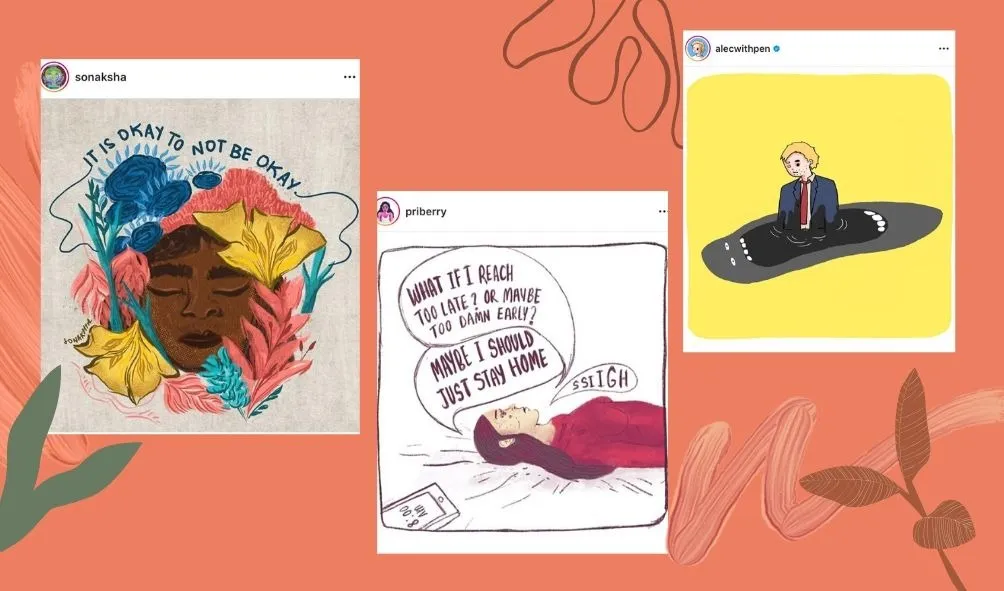
“It is okay to be not okay.”
'Over 90 percent suicides due to depression' | Business Standard News (business-standard.com)
According to the World Health Organization (WHO) :
“Mental health is a state of well-being in which an individual realizes his or her own abilities, can cope with the normal stresses of life, can work productively, and can make a contribution to his or her community.”
In simple words, mental health includes our emotional, psychological, and social well-being. It affects how we think, feel, and act. It helps determine how we handle stress, relate to others, and make choices.

The two most common mental health conditions are:
Anxiety Disorders – More than 18% of adults each year struggle with some type of anxiety disorder, including post-traumatic stress disorder (PTSD), obsessive-compulsive disorder (OCD), panic disorder (panic attacks), generalized anxiety disorders, and specific phobias.
Mood Disorders – Mood disorders, such as depression and bipolar disorder, affect nearly 10% of adults each year and are characterized by difficulties regulating one’s mood.

It is essential to know the difference between sadness and depression.
What Is Sadness?
Sadness is a human emotion that everyone feels in response to disappointment, loss of a loved one, divorce, discouragement, financial trouble, etc.
It is very normal to feel this emotion. A person experiencing sadness can usually find some relief from crying, venting, or talking out frustrations. More often than not, sadness has links to a specific trigger.
Sadness usually passes with time. If it does not pass, or if the person becomes unable to resume normal function, this could be a sign of depression.
:max_bytes(150000):strip_icc()/sadness-is-not-depression-2330492_final-b53086572de742b2b0dca5941aaaf32a.png)

Now, What Is Depression?
There are 9 types of Depression:
- Major depression
- Persistent depression
- Manic depression, or bipolar disorder
- Depressive psychosis
- Perinatal depression
- Premenstrual dysphoric disorder
- Seasonal depression
- Situational depression
- Atypical depression
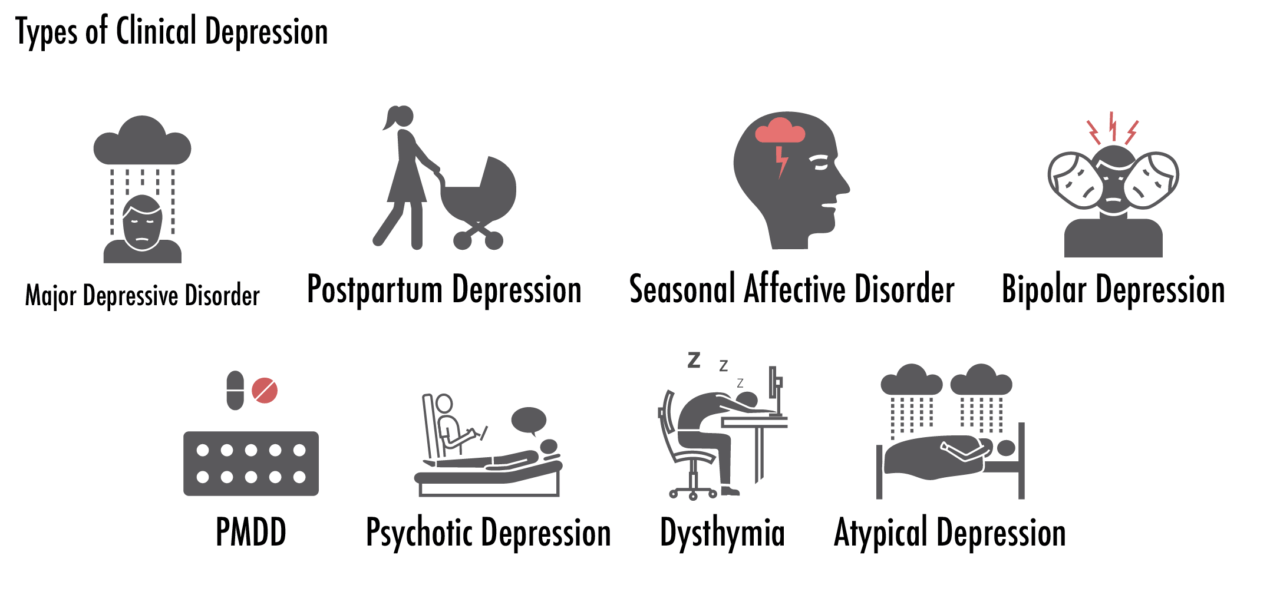
1) Clinical Depression (major depressive disorder) is a mood disorder that is a common and serious medical illness that negatively affects how you feel, the way you think, and how you act.
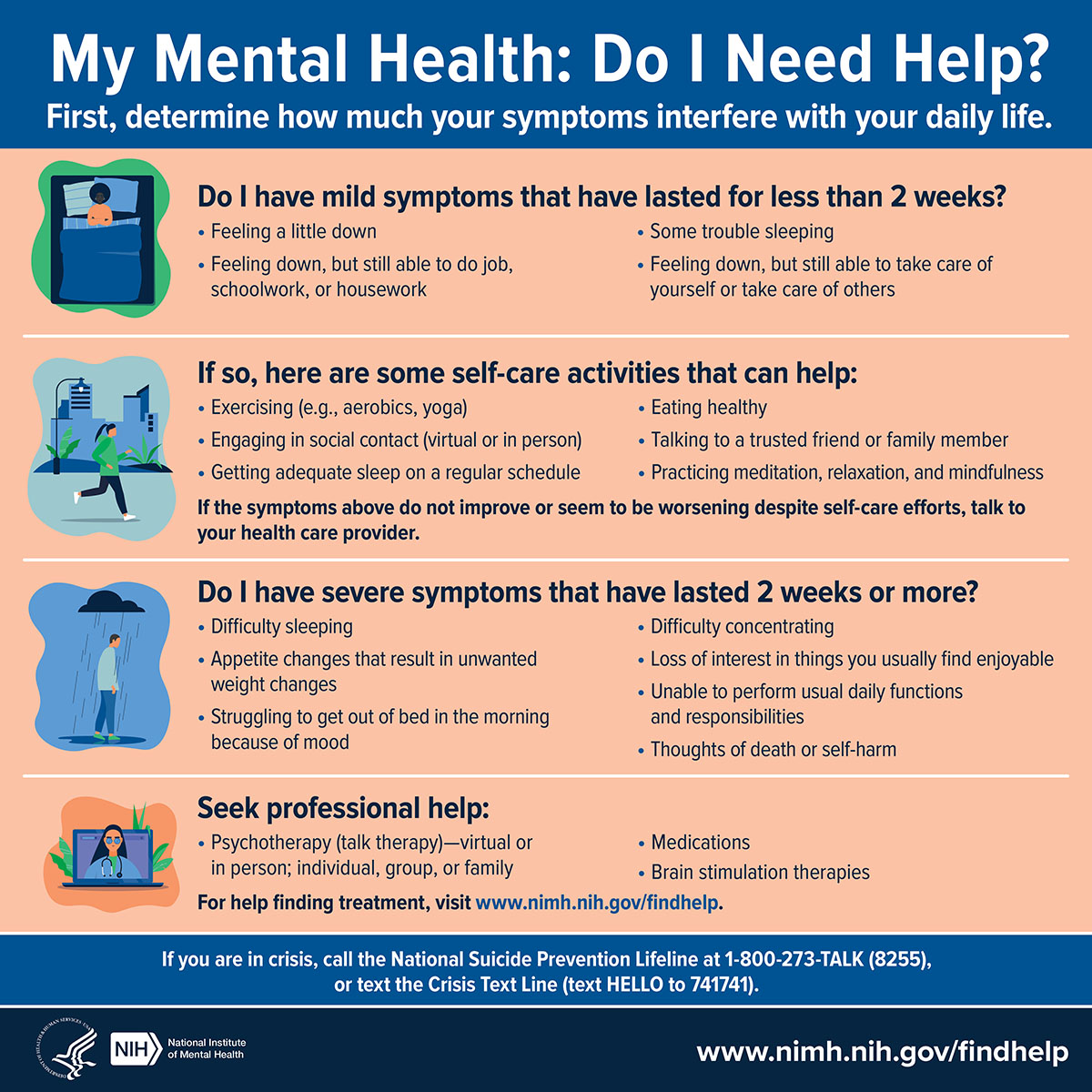
Depression symptoms can vary from mild to severe and can include:
- Feeling sad or having a depressed mood
- Loss of interest or pleasure in activities once enjoyed
- Changes in appetite — weight loss or gain not due to dieting
- Trouble sleeping or wanting to sleep all day long
- Loss of energy or increased fatigue
- Feeling worthless or guilty
- Difficulty thinking, concentrating or making decisions.
- Thoughts of death or suicide
If these feelings of doubt last longer than two weeks, a doctor may diagnose the person with major depressive disorder (MDD).
Unlike sadness, depression can leave a person struggling to get through their day, and they want to end their misery somehow. Sadness is just one element of depression. Specific triggers will often cause sadness, whereas depression may have no identifiable cause.
Also known as dysthymia or chronic depression. 2) Persistent depressive disorder is a mild but long-term depression that lasts for two years or more. Persistent depression might not feel as intense as major depression.
Some symptoms of persistent depression include:
- deep sadness or hopelessness
- low self-esteem or feelings of inadequacy
- appetite changes
- changes in sleep patterns or low energy
- inability to feel joy, even on happy occasions
- social withdrawal
3) Bipolar Disorder, formerly known as manic-depressive illness, is a brain and behavior disorder characterized by severe shifts in mood and energy, making it difficult for the person to function.
Some symptoms of Bipolar disorder include:
- Increased energy, activity, restlessness
- Euphoric mood
- Extreme irritability
- Heightened sense of self-importance
- Abuse of drugs, such as cocaine, alcohol, and sleeping medications
- Provocative, intrusive, or aggressive behavior
- Feelings of guilt, worthlessness, and helplessness
4) Depressive psychosis is a severe mental disorder that causes abnormal thinking and perceptions. People with psychoses lose touch with reality
Some symptoms of Depressive psychosis are:
- Delusions
- Hallucinations
- Paranoia
5) Perinatal depression includes depression during pregnancy or within a year after the birth or the end of a pregnancy.
Some symptoms of perinatal depression are:
- unusual anxiety and worry,
- excessive irritability or crankiness,
- eating or sleeping much more than usual, or trouble with insomnia,
- loss of interest in caring for yourself (dressing, bathing, fixing hair, etc.)
- not feeling up to doing everyday tasks
- frequent crying, even about petty matters
- feelings of anger
- lack of interest in the baby; feeling numb or disconnected from the baby
- loss of pleasure or interest in things you used to enjoy.
6) Premenstrual dysphoric disorder (PMDD) is a condition similar to Premenstrual syndrome (PMS) that also happens in a week or two before your period starts as hormone levels begin to fall after ovulation. PMDD causes more severe symptoms than PMS, including severe depression, irritability, and tension.
Symptoms of PMDD include:
- Irritability or anger that may affect other people
- Feelings of sadness or despair, or even thoughts of suicide
- Feelings of tension or anxiety
- Panic attacks
- Mood swings
- Lack of interest in daily activities and relationships
- Trouble thinking or focusing
- Tiredness or low energy
- Food cravings or binge eating
- Trouble sleeping
- Feeling out of control
- Physical symptoms include cramps, bloating, breast tenderness, headaches, and joint or muscle pain.
7) Seasonal depression is a mood disorder characterized by depression that occurs simultaneously every year. The seasonal affective disorder occurs in climates where there is less sunlight at certain times of the year.
Symptoms of Seasonal Depression include:
- Fatigue,
- Depression,
- Hopelessness and social withdrawal.
8) Situational depression is a short-term, stress-related type of depression that can develop after you experience a traumatic event or series of events. It is a type of adjustment disorder such as the death of a loved one, changing schools or cities, hormonal abnormalities, having a troublesome childhood, etc.
Some symptoms of Situational depression are:
- Feelings of low mood and sadness
- Tearfulness; frequent bouts of crying
- Hopelessness
- Poor concentration
- Lack of motivation
- Loss of pleasure
- Withdrawing from normal activities
- Loneliness or social isolation
- Thoughts of suicide
9) Atypical depression is a dysthymic disorder that involves several specific symptoms, including increased appetite or weight gain, sleepiness or excessive sleep, marked fatigue or weakness, moods that are strongly reactive to environmental circumstances, and feeling extremely sensitive to rejection.
Looking after our mental health during the pandemic
As countries introduce measures to restrict movement as part of efforts to reduce the number of people infected with COVID-19, more and more of us are making huge changes to our daily routines.
The new realities of working from home, temporary unemployment, home-schooling of children, death of family members, and lack of physical contact with friends and colleagues take time to get used to. Adapting to lifestyle changes such as these, and managing the fear of contracting the virus and worry about people close to us who are particularly vulnerable, is challenging for all of us. They can be tough for people with mental health conditions.
Fortunately, there are lots of things that we can do to look after our own mental health and to help others who may need some extra support and care.
Take time out today to tell someday that you know they are doing their very best and you’re proud of them. Whether they’re working hard to be a better person, run a business, or chase a dream, you never know how important your words might be to someone.
Listen to your friend’s problems patiently without interrupting and make them believe that you are in this together. Everyone grows at their own rate; try to have patience with your progress.

You must be logged in to post a comment.