

Is Carbohydrate-Free Food the Real Weight-Loss Secret?

Is it true that avoiding carbohydrates helps you lose weight? Since the early 1970s, several weight loss plans have advocated avoiding or reducing carbohydrates, also known as "carbs," from our diets in varying amounts. Although some people embrace carb-conscious diets, they continue to raise concerns for many others. For example, whether it is safe to limit carbohydrate intake and whether it can be done in a healthy, sustainable way has been debated.
Some carbohydrates are superior to others in terms of quality or health. Another question raised is whether everyone should limit their carbohydrate intake, and whether someone can eat a natural foods diet while controlling their carbohydrate intake.
Low carbohydrate foods have a low sugar content. The low-carb diet solution is probably the most common diet solution and is widely used in many parts of the world. Restaurants and food stores all over the world offer specific low-carb foods, which is beneficial to those who are health conscious because it provides them with a variety of options as they follow a low-carb diet.
Aside from the common theories on why low-carb diets work, there is no agreement on what constitutes the ideal low carbohydrate diet. The various diet plans recommend a range of 20 to 100 grams of carbohydrates per day, with few recommending no carbs at all, despite the fact that this diet has been seen in Hollywood. Many of these diets recommend limiting carbohydrate intake, such as bread, rice, pasta, potatoes, and added sugars, but they differ in implementation and detail. There are no official guidelines on what foods should constitute a controlled carbohydrate diet, and the Food and Drug Administration (FDA) in the United States has no formal classification of a low carbohydrate food.
A person's body weight can be controlled by limiting the number of calories consumed. You are more likely to lose weight if you consume fewer calories. If a person controls the amount of carbohydrates he or she consumes, the calories consumed will be reduced. Actually, a low-carb diet plan is similar to a calorie diet plan, with the main difference being a reduction in carbohydrates. This fact makes some people wonder why these diet programs are becoming so popular.
Why limit carbohydrate intake when a more healthy option includes a reduction in fat, carbs, and protein? This would not limit a person's ability to consume foods with lower carbohydrate content. The amount of calories consumed will be reduced by a general reduction in the intake of each food type rather than carbohydrates, as with diet solutions based on low-carb consumption. This is essentially just another point of view. To put the resulting mystification into context, keep in mind that one-size-fits-all dieting simply does not work.
Nutritional choices should be tailored to an individual's genetics, lifestyle, activity level, health status, and special needs. Some trial and error may be required to determine what works best for you. Some people may discover that cutting back on carbohydrates is best for their health, weight, and blood sugar levels, and they decide to limit their carb intake as part of a healthy lifestyle.
Logically, the concept behind the reduced carbohydrate diet is to primarily eat foods which contain low volume of carbs. Foods with a high protein and fat content are known to have lower carbohydrate content. Examples of this kind of foods are chicken, meat, fish, turkey, eggs, cheese and many others. There are also foods that are high in carbohydrates but are prepared in a way that allows them to fit into a low carbohydrate diet. Spaghetti, candy bars, cereals, breakfast bars, peanut butter cups, and pasta are typical examples.
When it comes to low-carbohydrate diets, you may lose weight because if you cut out bread, pasta, rice, and crisps and eat only meat, fish, and vegetables, you will eat less overall. However, you are likely to become bored with this diet and, as a result, slip or become overly hungry because your diet lacks bulk. Furthermore, carbohydrate restriction forces the body to rely on fat or muscle for energy. This can result in the production of ketones, which can cause fatigue and nausea. This is especially dangerous for people who have diabetes, heart disease, or kidney disease.
Yes, there is such a thing as a low-carb diet that is healthy. The key is not to go overboard and eliminate all the essential nutrients we require for optimal health and energy in the pursuit of a low-carb eating plan. Carbohydrate accounts for 50 to 60 percent of total calories in high-carb diets. Carbohydrates should account for 40 to 45 percent of the calories in a healthy low-carb diet. This way, you keep the carbs that provide nutrition, such as fruit, vegetables, whole grains, legumes, milk, and yogurt, while reducing your consumption of simple carbs, such as sugar, candy, cookies, soda, and snack foods.
The next critical phase that individuals must learn while on a low carbohydrate diet solution is separating the good from the bad carbohydrates. Complex carb is the other term that's used for the good carbohydrates, while simple carbohydrates refer to the bad carbohydrates. High glycemic carbs are bad, while low glycemic carbs are good. The term "glycemic" refers to the rate at which food manages to raise insulin and blood sugar levels, resulting in fat gain.
Overweight and obesity are on the rise as a result of energy imbalances. In contrast to nutrient consumption, a decrease in energy expenditure and/or increase in energy consumption results in a poor energy balance. People should be concerned about diets that eliminate or limit daily activities in order to consume a single nutrient, particularly those that lack metabolic guidelines and provide no psychosocial support.
Fresh fish is high in protein and often low in carbohydrates. Carbohydrates are commonly found in shellfish. Keep an eye out for prepared seafood products containing moderate amounts of carbohydrates, such as crab cakes or breaded fish. Many low-carb diets rely heavily on protein-rich meat and poultry. Try eating bacon, chicken, deli meats, duck, sausage, pork, lamb, rabbit, and other similar foods.
There's also no reason to avoid nature's treats. Keep in mind that the high fiber content of certain fruits accounts for a significant portion of the carbohydrates. Fiber is necessary for the body, and it is typically subtracted from total carbohydrates when calculating "net carbs" – the carbs thought to affect blood sugar and, thus, weight loss.
Even if you are following a low-carb diet, it is critical to consume a variety of fruits and vegetables. Colorful vegetables are high in fiber, vitamins, minerals, and phytochemicals. Vegetable carbohydrate content varies greatly. For those watching their carbs, non-starchy, brightly colored vegetables are a safe bet. In some cases, limiting carbohydrates unnecessarily can have a negative impact on an individual's health in the long run.
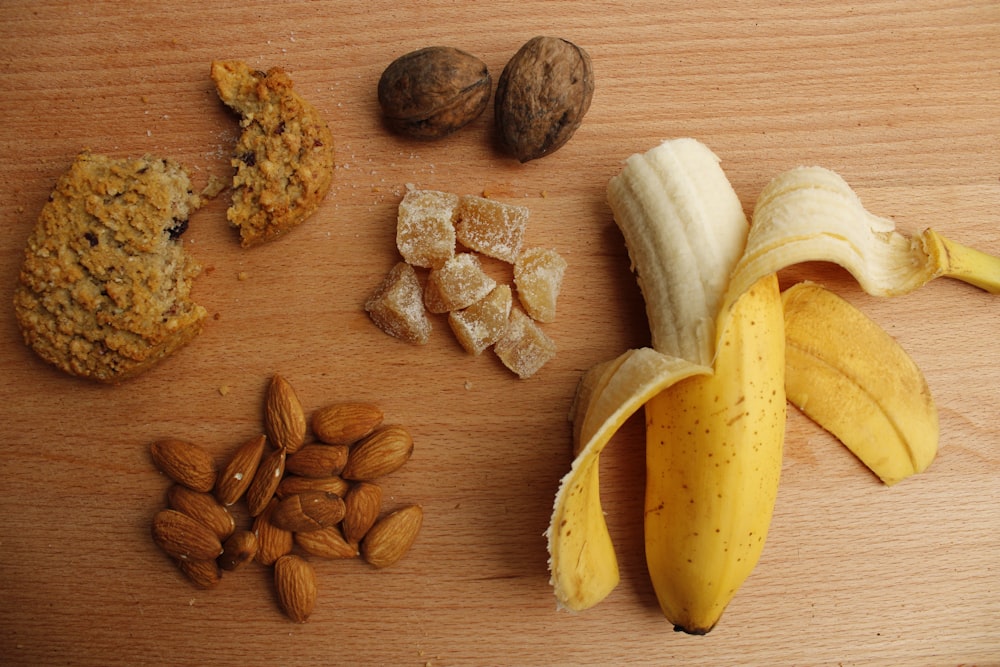
This is especially true when it comes to the limited consumption of foods like vegetables and fruits, which are also referred to as healthier carb sources. As a result, the focus of the discussion may shift from volume to carbohydrate sources. For maximum benefit, choose minimally processed grains, fruits, vegetables, and dairy foods over highly processed foods. People who want to lose weight in a healthy and effective way should consume sugar and sweets in moderation. Reduced consumption of manufactured and highly processed foods is one of the most effective ways to implement these recommendations

You must be logged in to post a comment.