

How the intersection of climate change and social justice. Write an article
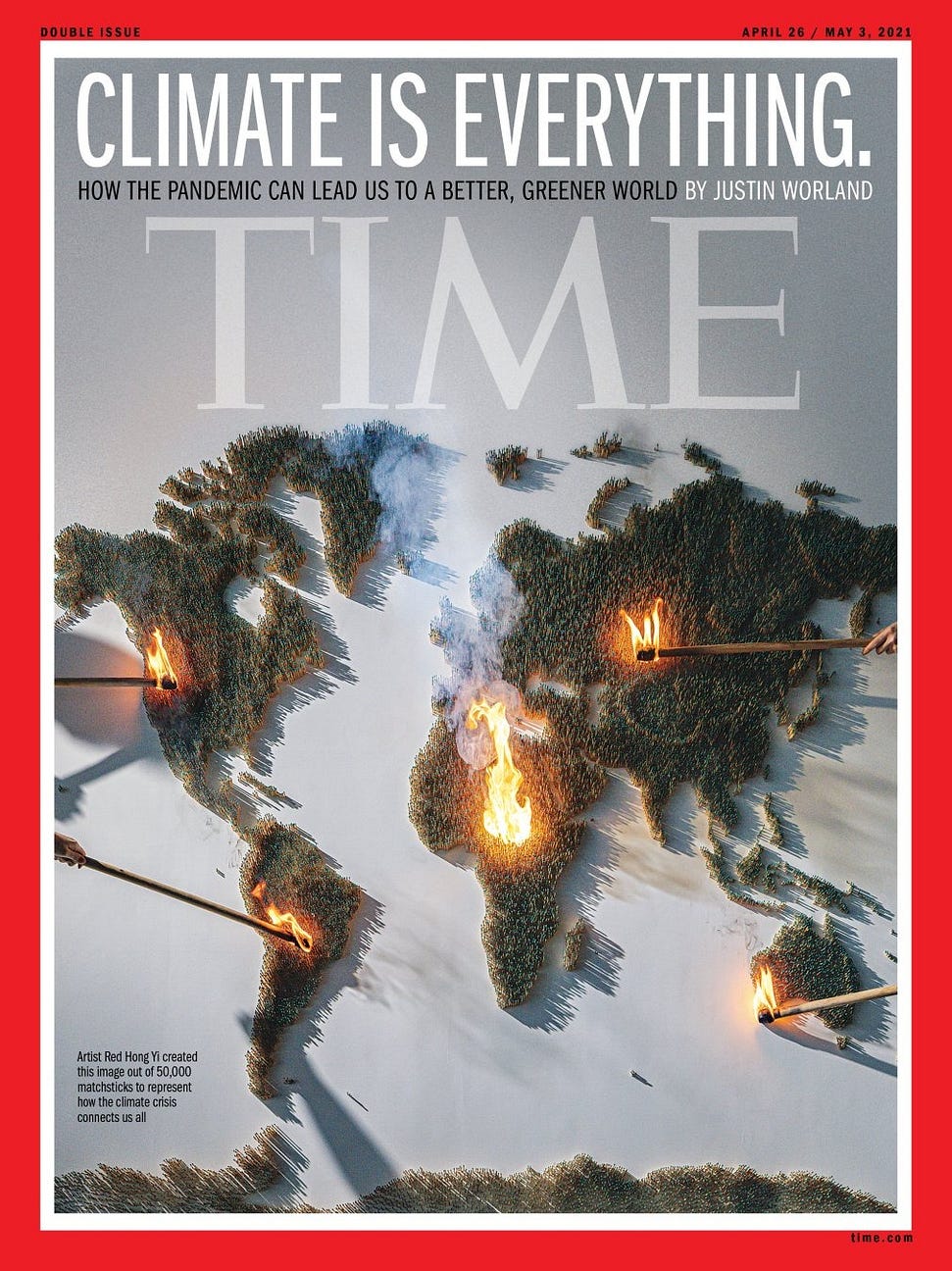
Climate change and social justice are two of the most pressing issues facing our world today. While they may seem like separate concerns, they are inextricably linked, with the impact of climate change disproportionately affecting marginalized communities around the world.
Climate change, caused by the burning of fossil fuels, deforestation, and other human activities, is leading to rising sea levels, more frequent and intense natural disasters, and changing weather patterns. These changes are affecting everything from food security to access to clean water, with some estimates suggesting that climate change could push up to 100 million people into extreme poverty by 2030.
Unfortunately, the impact of climate change is not evenly distributed. Those who are most vulnerable to its effects tend to be the poor and marginalized, including people of color, indigenous communities, and low-income populations.
This is because these groups often lack the resources and political power to adapt to the changing climate or to lobby for action to address its root causes. They may also be more likely to live in areas that are already affected by environmental degradation, such as polluted air and water.
For example, communities of color in the United States are disproportionately affected by air pollution, which can exacerbate respiratory illnesses and other health problems. They are also more likely to live in areas that are vulnerable to flooding and other natural disasters, such as hurricane-prone coastal areas.
In addition to the direct impact of climate change, the response to the crisis also has social justice implications. For example, policies aimed at reducing carbon emissions may disproportionately affect those who rely on jobs in industries that produce high levels of greenhouse gases, such as coal mining and oil production.
Similarly, the transition to renewable energy sources, while important for reducing emissions, can also have negative impacts on communities that rely on fossil fuel extraction for their livelihoods. These communities must be included in the conversation about how to transition to a sustainable economy in a way that is just and equitable.
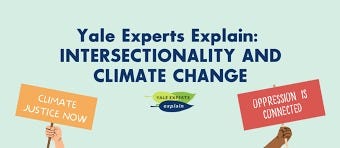
So, what can be done to address the intersection of climate change and social justice? One approach is to center the voices and experiences of those who are most affected by climate change in decision-making processes. This means involving communities of color, indigenous communities, and other marginalized groups in the development of policies and programs aimed at addressing the crisis.
It also means recognizing the systemic inequalities that contribute to vulnerability to climate change and working to address them. This might include investing in infrastructure and resources to help communities adapt to the changing climate, providing access to clean energy and water, and ensuring that all communities have a say in the decisions that affect their lives.
In conclusion, the intersection of climate change and social justice is an urgent and pressing issue. The impact of climate change is not evenly distributed and tends to affect the most vulnerable and marginalized communities around the world. Addressing this intersection requires a concerted effort to include these communities in decision-making processes and to address the systemic inequalities that contribute to their vulnerability. Only by working together can we hope to create a more just and sustainable future for all.

You must be logged in to post a comment.