
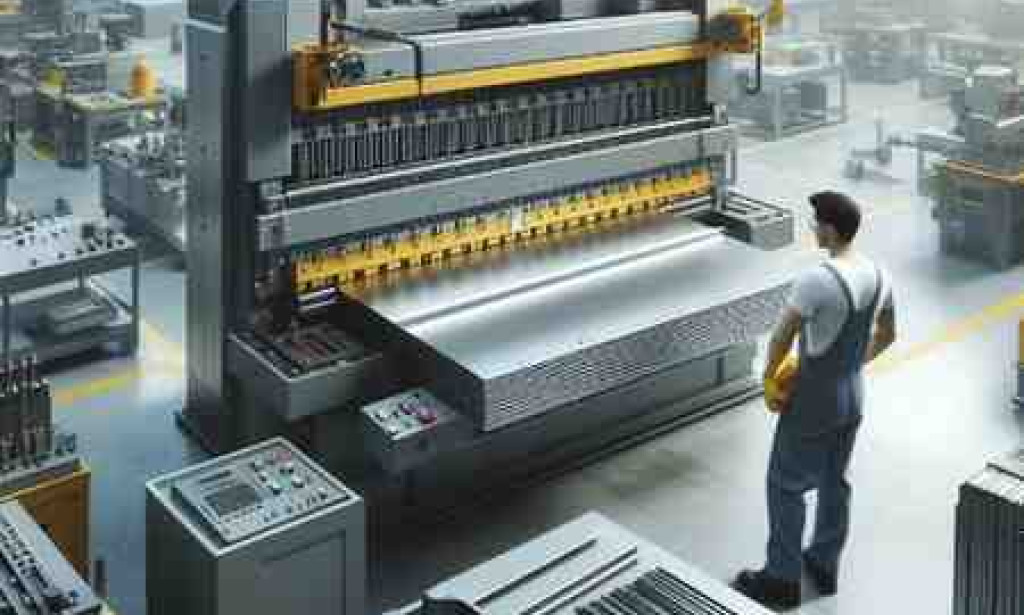
The vast majority of metal fabrication units in India depend to a great extent on their use of bending machinery in order to bend plates into cylinders, cones and so forth. It is important to note that over time hydraulic plate bending machines have acquired popularity in this respect insofar as they address numerous issues related to the bending operations encountered daily by metal fabricators. Hydraulic plate bending machines are equipped with features and capabilities which enable fabricators to meet current requirements. Small shops operating in Rajkot as well as large units manufacturing pressure vessels and wind towers benefit greatly from the usage of hydraulic plate bending machines. The practical advantages provided by such machines include greater forces used, higher precision, faster production speeds, improved safety standards and more.
High Bending Force and Capacity
The most obvious advantage is the massive force these machines can deliver. Hydraulic cylinders can apply several hundred tonnes of pressure smoothly. This makes it possible to bend thick plates — 40 mm, 60 mm, 80 mm and even thicker sections — without excessive effort or safety risks that come with older mechanical systems.
In heavy fabrication shops working on boiler shells, storage tanks or structural beams, this high capacity means each job needs fewer passes. The operator can adjust the force according to plate thickness, so the same machine comfortably handles everything from thin sheets to heavy plates without major setup changes. This flexibility saves time and reduces the need to keep multiple machines for different thicknesses.
Precise and Uniform Bending
Hydraulic systems allow fine control over ram movement, speed and pressure. The result is more accurate bend angles and far better consistency from one piece to the next.
Hydraulic plate bending machines apply steady force throughout the full stroke, so the bend radius stays almost uniform along the entire length of the plate. Many models include crowning systems that automatically adjust for any natural deflection in the bed. Fabricators notice that they spend much less time on manual corrections, grinding or fitting adjustments before welding. This precision becomes especially important when working on stainless steel or jobs with tight tolerance requirements.
Smooth and Safe Operation
The ram on hydraulic machines moves smoothly without the sudden jerks common in mechanical benders. This gentle action puts less stress on the machine frame, the tooling and the plate surface itself.
Safety improves noticeably. Good hydraulic plate bending machines come with overload protection, emergency stops, light curtains and two-hand control systems. The operator has better command over the entire process, particularly when handling large, heavy plates that require careful positioning. Reduced risk of accidents helps workshops meet stricter safety norms and keeps experienced workers on the job longer.
Versatility for Different Materials and Shapes
These machines handle a wide variety of materials without much fuss — mild steel, stainless steel, aluminium, high-tensile plates and some alloy grades. Pressure and speed settings can be changed quickly to suit the material and thickness.
Many hydraulic plate bending machines can also perform cone bending and variable radius work using simple attachments. This versatility allows small and medium shops to accept different types of orders on the same machine — straight cylinders one day, conical hoppers the next, and transition pieces when required. Fabricators no longer need to turn down jobs because the machine cannot handle the shape or material.
Faster Setup and Higher Productivity
Modern hydraulic plate bending machines usually include NC or CNC controls that let operators save complete bending programs. Once saved, the same job can be recalled in seconds for repeat production. Motorised back gauges and automatic crowning further cut down setup time between different jobs.
Because the machine can pre-bend both edges properly and complete the full cylinder in fewer passes, the total time per shell drops significantly. Workshops often report that daily output increases after switching to hydraulic bending machines. This higher productivity helps meet tight delivery schedules and take on more orders without adding extra shifts or workers.
Lower Maintenance and Longer Life
Hydraulic machines have fewer mechanical wearing parts than traditional crank or gear-driven benders. Regular oil changes and filter cleaning are usually enough to keep them running smoothly for many years.
The smooth, low-vibration operation also reduces stress on the main frame and tooling. Many users find that a well-built hydraulic machine needs only routine service even after several thousand hours of regular workshop use. Lower maintenance means less downtime and lower repair expenses over the life of the machine.
Energy Efficiency and Running Cost
Although they use hydraulic pumps, current designs are reasonably efficient. Variable pumps deliver power only when needed during the bending cycle. When you add up the higher output per shift and reduced material wastage, the actual cost per bent shell often turns out lower than with older mechanical machines. This benefit becomes more noticeable in shops running two or three shifts daily.
Better Surface Finish and Less Material Damage
The controlled bending action causes much less marking or scratching on the plate surface. This is especially useful when working with stainless steel, aluminium or pre-coated sheets where final appearance matters to the customer.
Fewer surface defects also mean lower rejection rates and better utilisation of expensive raw material. Fabricators save money on both material and the time spent on rework or touch-up work.
Easy Integration with Modern Fabrication Lines
Today’s hydraulic plate bending machines fit well into automated lines. They can work alongside CNC shearing machines, plasma or laser cutting tables and welding stations. Bend data from earlier processes can be transferred easily, which reduces manual measuring errors and makes the complete workflow smoother from cutting to final assembly.
Wide Range of Applications
Hydraulic plate bending machines serve many different industries. You will find them in pressure vessel and boiler manufacturing, storage tank fabrication, wind energy towers, road construction equipment, steel pipe production, material handling systems, railway workshops and heavy machinery manufacturing. Their ability to handle both small diameter and very large diameter work makes them useful for job shops as well as large-scale fabrication companies.
Siddhapura is one of the manufacturers that builds reliable hydraulic plate bending machines with attention to real workshop requirements and long-term performance.
Conclusion
The benefits of hydraulic plate bending machines in fabrications can be described clearly – high bending force, high accuracy, comfortable handling, versatility, efficiency, maintenance reduction and better quality overall. These machines allow fabrication workshops to manage heavy plates efficiently, minimize waste, boost output and ensure consistency in their bends. For a fabrication workshop in need of replacing its outdated equipment or increasing its capacities, the right choice of hydraulic plate bending machines is typically quite wise indeed.
Properly chosen with respect to specific work tasks, such machines will prove to be efficient and dependable equipment that will last for many years to come, helping your business develop smoothly without any unnecessary problems.

You must be logged in to post a comment.