
Introduction
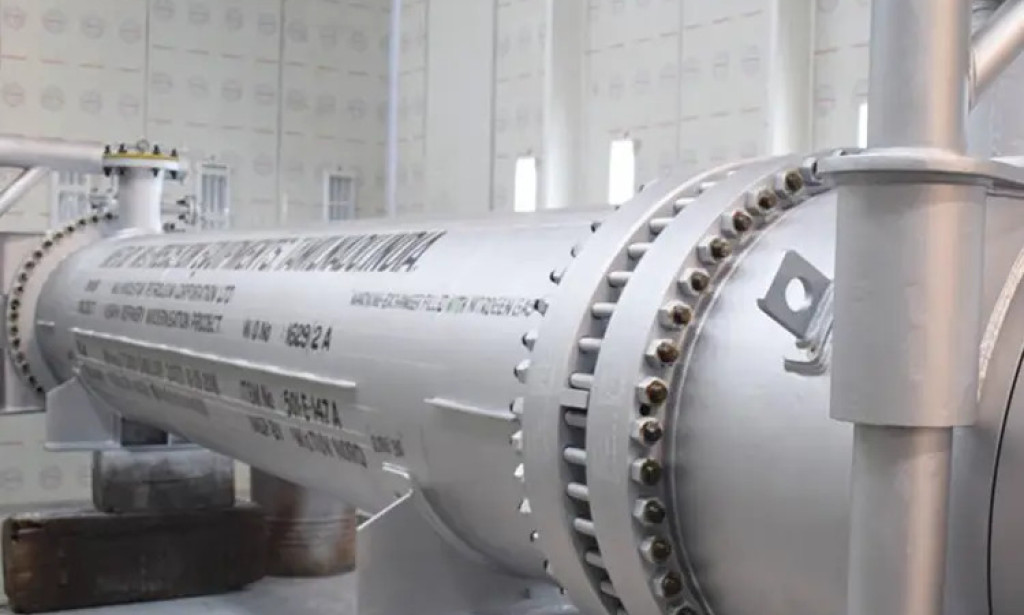
High Pressure Heat Exchanger systems are becoming increasingly important in modern hydrogen plants as industries move towards cleaner energy solutions and more efficient industrial operations. From hydrogen production and storage to transportation and processing, thermal management plays a critical role in maintaining safety, reliability, and operational efficiency.
As governments and industries invest heavily in low-carbon technologies, hydrogen is emerging as a practical solution for decarbonising sectors such as power generation, refining, fertiliser production, and heavy manufacturing. This rapid growth is creating a stronger demand for robust heat exchange systems that can operate under extreme pressure and temperature conditions.
In hydrogen facilities, maintaining stable temperatures while handling highly pressurised gases is not simply a technical requirement. It is essential for plant performance, worker safety, and long-term sustainability goals.
Why Hydrogen Plants Require Advanced Heat Exchange Systems
Hydrogen production processes often involve intense operating environments. Whether through steam methane reforming, electrolysis, or carbon capture-integrated systems, large amounts of heat must be transferred efficiently while managing elevated pressures.
A high pressure heat exchanger is designed specifically for these demanding conditions. Unlike conventional systems, these exchangers are engineered to withstand pressure fluctuations, corrosive environments, and thermal stress without compromising performance.
Hydrogen molecules are exceptionally small and highly reactive. This creates unique engineering challenges, especially in applications where leakage prevention and temperature control are essential. Reliable heat exchangers help maintain process integrity while supporting energy efficiency across the plant.
The Rise of Green Hydrogen and Industrial Expansion
The global transition towards green hydrogen is accelerating investment in hydrogen infrastructure. Countries across Europe, Asia, and the Middle East are developing hydrogen hubs, export facilities, and integrated energy parks to support future energy demand.
This expansion is increasing the need for specialised thermal equipment capable of handling:
-
High operating pressures
-
Continuous heat recovery cycles
-
Extreme process temperatures
-
Corrosive chemical environments
-
Energy-efficient thermal transfer
As hydrogen plants become larger and more complex, industrial operators are placing greater emphasis on equipment reliability and operational lifespan.
How High Pressure Heat Exchangers Improve Efficiency
Efficiency is one of the most important considerations in hydrogen production. Energy losses during thermal processes can significantly impact operating costs and environmental performance.
Modern shell and tube heat exchangers are designed to maximise heat transfer while minimising pressure loss. This balance helps plants achieve higher productivity with lower energy consumption.
Some of the most valuable advantages include:
Better Thermal Recovery
Recovered heat can be reused elsewhere in the production cycle, reducing overall energy demand and improving plant efficiency.
Stable Temperature Control
Maintaining precise temperatures is critical during hydrogen compression, cooling, and purification processes.
Improved Equipment Durability
High-quality materials and advanced fabrication methods allow exchangers to perform reliably in harsh industrial environments.
Reduced Downtime
Efficient heat exchange systems help reduce overheating risks, equipment fatigue, and unexpected shutdowns.
Why Shell and Tube Designs Remain Popular
Among the many heat exchanger designs available, shell and tube systems continue to dominate hydrogen applications. Their strength, flexibility, and pressure-handling capability make them highly suitable for industrial-scale operations.
These exchangers are particularly valued because they can handle:
-
High-pressure gas streams
-
Wide temperature variations
-
Large processing volumes
-
Complex industrial applications
Their modular design also allows easier maintenance and inspection, which is important for plants operating continuously throughout the year.
For industrial buyers, long-term reliability often matters more than short-term savings. Investing in durable thermal systems can significantly reduce operational disruptions over time.
Sustainability and Energy Recovery
Hydrogen plants are often associated with clean energy goals, but operational efficiency remains essential for achieving meaningful environmental benefits.
A poorly optimised thermal system can increase energy consumption and carbon emissions, even in facilities focused on renewable hydrogen production.
High pressure heat exchangers support sustainability by enabling:
-
Waste heat recovery
-
Lower fuel consumption
-
Reduced process emissions
-
Better energy utilisation
-
Enhanced system efficiency
In many facilities, recovered heat is redirected into auxiliary systems, helping operators reduce overall energy demand while improving economic performance.
As sustainability targets become stricter, industries are increasingly prioritising energy-efficient equipment that supports both environmental compliance and financial performance.
Material Selection Matters More Than Ever
Hydrogen environments can be extremely demanding on industrial materials. High temperatures, pressure cycling, and hydrogen embrittlement all create long-term durability challenges.
To improve reliability, manufacturers are using advanced materials such as:
-
Stainless steel alloys
-
Duplex stainless steel
-
Titanium
-
Nickel-based alloys
These materials provide better corrosion resistance and structural stability under extreme conditions.
Careful material selection not only improves equipment lifespan but also helps maintain safety standards across critical industrial operations.
Safety Expectations in Modern Hydrogen Facilities
Safety is one of the biggest priorities in hydrogen processing plants. Because hydrogen is highly flammable, thermal systems must be designed with exceptional attention to detail.
Modern heat exchangers often incorporate advanced safety features including:
-
Pressure-resistant construction
-
Leak prevention systems
-
Thermal stress management
-
High-integrity welding standards
-
Continuous monitoring systems
Industrial operators are also adopting predictive maintenance technologies to identify wear and performance issues before failures occur.
This proactive approach improves plant reliability while protecting both personnel and production assets.
The Future of Hydrogen Infrastructure
As hydrogen adoption grows, thermal engineering will continue to play a vital role in industrial development. Future hydrogen facilities are expected to become more energy-efficient, digitally connected, and environmentally responsible.
Emerging trends include:
Smart Monitoring Systems
Real-time performance monitoring helps operators improve efficiency and reduce maintenance costs.
Compact Heat Exchanger Designs
Space-saving solutions are becoming increasingly valuable in large industrial plants.
Integration with Renewable Energy
Hydrogen systems linked with solar and wind power require flexible thermal management technologies.
Carbon Reduction Initiatives
Efficient heat transfer systems help industries move closer to net-zero emission targets.
The demand for high-performance industrial equipment is expected to increase steadily as hydrogen production scales globally.
Conclusion
The growing hydrogen economy is reshaping industrial infrastructure around the world. As plants become larger, more efficient, and increasingly sustainability-focused, the role of dependable thermal systems continues to expand.
A well-designed high pressure heat exchanger helps hydrogen facilities improve operational stability, reduce energy waste, and maintain critical safety standards in demanding environments.
For industrial buyers and manufacturers alike, investing in durable and efficient heat exchange technology is becoming an essential part of long-term industrial strategy. Companies such as “Precision Equipments” continue to reflect the industry’s focus on reliability, engineering quality, and sustainable thermal performance in an evolving energy landscape.
FAQs:
What is a high pressure heat exchanger?
A high pressure heat exchanger is a thermal transfer system designed to operate safely under elevated pressure conditions while efficiently transferring heat between fluids or gases.
Why are high pressure heat exchangers important in hydrogen plants?
Hydrogen production involves extreme temperatures and pressures. These exchangers help maintain safe operating conditions, improve efficiency, and support reliable thermal management.
Which heat exchanger type is commonly used in hydrogen facilities?
Shell and tube heat exchangers are widely used because of their durability, pressure resistance, and suitability for large-scale industrial applications.
How do heat exchangers support sustainability?
They improve energy efficiency by recovering and reusing waste heat, reducing fuel consumption and lowering emissions across industrial operations.
What materials are used in hydrogen heat exchangers?
Common materials include stainless steel, duplex alloys, titanium, and nickel-based alloys due to their resistance to corrosion and high-pressure conditions.

You must be logged in to post a comment.