
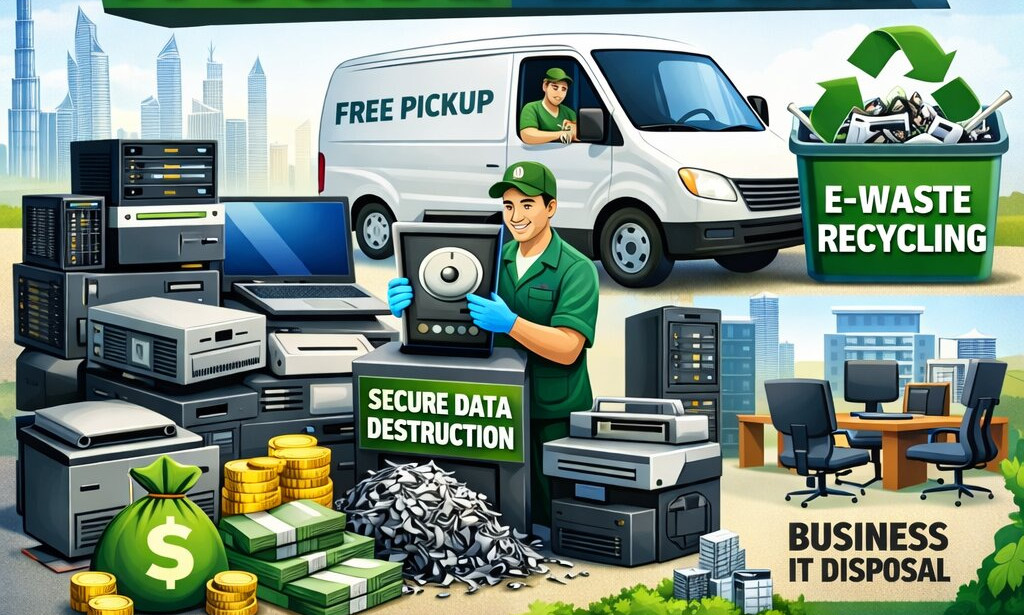
Old electronic devices are often left unused in homes and offices. Computers, printers, and other gadgets sit in storage long after they stop being useful. Many people delay getting rid of them because they are unsure about the right process.
This is where electronic waste disposal becomes important. It is not just about removing old devices. It is about protecting your data, avoiding environmental harm, and following a safe and structured approach.
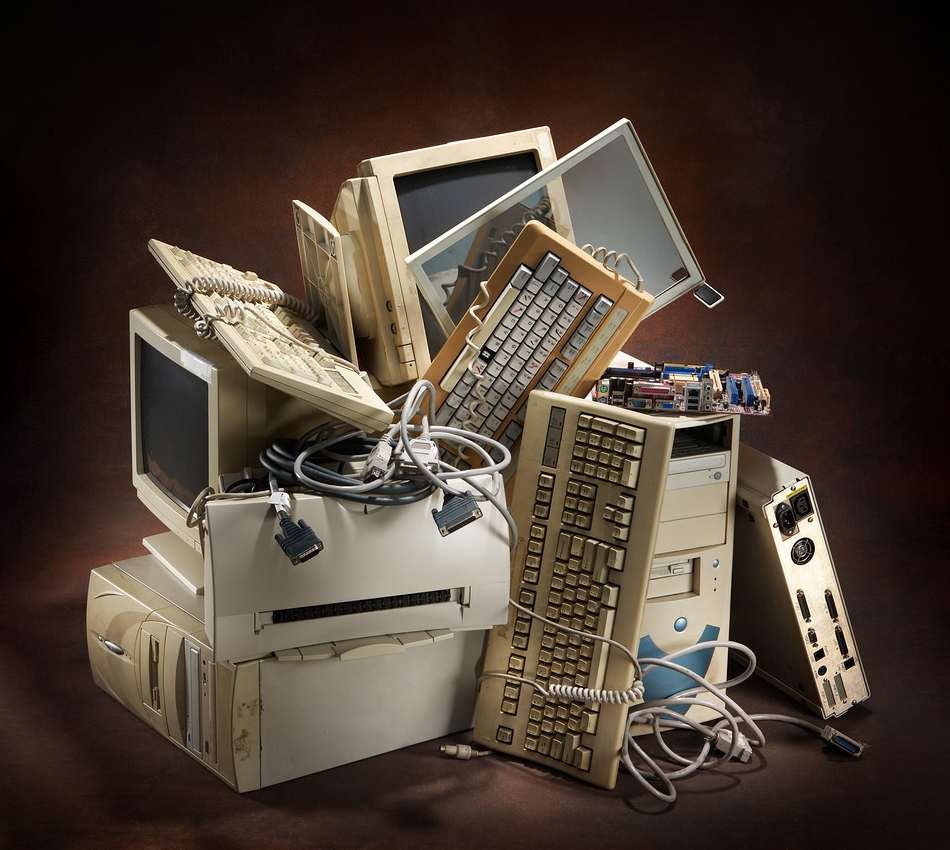
Why Electronic Waste Disposal Matters
The number of electronic devices in use has increased significantly over the years. As technology upgrades happen faster, older devices are replaced more often. This leads to a growing amount of electronic waste.
Proper electronic waste disposal helps manage this problem in several ways:
- Protects the environment:
Electronic devices contain materials that can harm soil and water if not handled properly. - Reduces landfill waste:
Throwing electronics in general waste adds unnecessary pressure on landfills. - Encourages responsible practices:
Safe disposal ensures that harmful components are handled correctly. - Supports sustainability:
Many materials inside electronics can be reused, reducing the need for new resources.
Ignoring these factors can lead to long-term environmental issues that affect both people and ecosystems.
What Is Electronics Recycling?
Electronics recycling is the process of collecting old or unused electronic devices and breaking them down into reusable materials. Instead of discarding devices, recycling allows valuable components to be recovered and reused.
This process usually involves:
- Separating metals, plastics, and circuits
- Recovering useful materials
- Processing non-reusable parts safely
Electronics recycling plays a key role in reducing waste. It also helps industries reuse materials instead of extracting new ones. This reduces environmental impact and supports more efficient resource use.
Risks of Improper Disposal
Improper handling of electronic waste can create several risks. These risks are often overlooked, especially when devices are no longer in use.
1. Data Exposure
Old computers and devices may still contain sensitive information. Simply deleting files does not remove data completely. Without proper handling, this information can be recovered.
2. Environmental Damage
Electronic components may release harmful substances if they are dumped in landfills. Over time, these substances can affect soil, water, and air quality.
3. Legal Issues
Businesses are often required to follow proper disposal practices. Failure to manage electronic waste correctly can lead to compliance issues and penalties.
4. Loss of Reusable Value
Many devices still contain parts that can be reused or refurbished. Improper disposal wastes these valuable resources.
Step-by-Step Safe Disposal Process
Handling electronic waste does not have to be complicated. Following a clear process makes it easier and safer.
1. Back Up Important Data
Before disposing of any device, save important files. Use external storage or cloud services to keep your data safe.
2. Remove Personal and Business Information
Sign out of accounts, remove saved passwords, and disconnect linked services. This reduces the risk of unauthorized access.
3. Secure Data Removal
Deleting files is not enough. Data should be wiped using proper methods or destroyed completely if needed.
4. Choose a Reliable Disposal Service
Look for a provider that offers structured electronic waste disposal and follows proper recycling practices.
5. Send Devices for Electronics Recycling
Once the devices are ready, they should be sent to a facility that handles electronics recycling responsibly. This ensures proper material recovery and safe disposal.
Benefits of Electronics Recycling
Using proper recycling methods provides several benefits for both individuals and businesses.
✔ Environmental Protection
Recycling reduces the release of harmful substances into the environment.
✔ Resource Conservation
Materials like metals and plastics can be reused, reducing the need for new raw materials.
✔ Reduced Waste
Fewer electronic devices end up in landfills, which helps manage waste more effectively.
✔ Cost Efficiency
Some devices still have value and can be refurbished or reused.
✔ Better Organization
Clearing out unused devices helps maintain a clean and organized space.
Choosing the Right Disposal Service
Selecting the right service provider is an important step. A reliable provider ensures that devices are handled safely and responsibly.
Here is what to look for:
- Clear and transparent process
- Proper handling of electronic waste
- Secure data removal options
- Ability to handle different types of devices
- Pickup or drop-off convenience
A structured service makes the entire process easier and reduces the risk of errors.
Best Practices for Managing Electronic Waste
Managing electronic waste regularly helps avoid clutter and risks.
Follow these simple practices:
- Review stored devices every few months
- Identify items that are no longer needed
- Separate working and non-working equipment
- Avoid storing unused electronics for long periods
These steps make disposal easier and more efficient over time.
FAQs
Q1: What is electronic waste disposal?
Electronic waste disposal is the process of safely removing and handling old electronic devices to prevent environmental harm and data risks.
Q2: Why is electronics recycling important?
Electronics recycling helps recover valuable materials, reduce waste, and protect the environment.
Q3: Can I throw electronics in regular trash?
No. Electronics contain harmful materials and should be handled through proper disposal or recycling methods.
Q4: Is deleting files enough before disposal?
No. Deleted files can often be recovered. Proper data wiping or destruction is necessary.
Q5: What happens during electronics recycling?
Devices are dismantled, materials are separated, and reusable components are processed for future use.
Conclusion
Electronic devices should not be treated like regular waste. They contain both valuable materials and sensitive data that require careful handling. A structured approach to electronic waste disposal ensures safety, efficiency, and environmental responsibility.
By following proper steps and choosing electronics recycling methods, you can reduce waste, protect your data, and contribute to a more responsible system.
Taking action today helps prevent future problems and supports better use of resources.

You must be logged in to post a comment.