

Easy Kitchen Hood Maintenance for Better Air Quality
Your kitchen hood works tirelessly to keep your cooking space fresh, but without proper maintenance, it can quickly become a greasy, inefficient appliance that compromises your indoor air quality. Many homeowners overlook this essential ventilation system until unpleasant odors linger or visible grease buildup becomes impossible to ignore. The good news is that maintaining your kitchen hood doesn't require professional expertise or hours of scrubbing. With simple, regular care, you can ensure your hood operates at peak performance, effectively removing smoke, steam, and airborne contaminants from your home. This guide will walk you through everything you need to know about kitchen hood maintenance, from understanding why it matters to implementing practical cleaning techniques that fit into your routine. Whether you're dealing with stubborn grease deposits or simply want to prevent future problems, you'll discover straightforward solutions that protect both your appliance investment and your family's health. Clean air in your kitchen starts with a well-maintained hood, and achieving that is easier than you might think.
Understanding the Importance of Kitchen Hoods
Kitchen hoods serve as your home's primary defense against cooking byproducts that compromise air quality and create health hazards. Every time you cook, your stove releases a complex mixture of grease particles, combustion gases, water vapor, and volatile organic compounds into the air. Without proper ventilation, these contaminants accumulate on surfaces, penetrate fabrics, and circulate throughout your living spaces. A functioning kitchen hood captures these pollutants at their source, preventing them from spreading and reducing respiratory irritants that can trigger allergies or asthma. Beyond health considerations, effective ventilation protects your kitchen itself from grease buildup that damages cabinets, walls, and ceilings over time. The moisture removal function prevents mold growth and paint deterioration, while odor elimination keeps your entire home smelling fresh rather than like last night's dinner. Modern cooking generates more airborne particles than many realize, especially when searing meats or using high-heat techniques. Your hood's extraction power directly impacts how much of this pollution remains in your breathing space versus being expelled outdoors or filtered through recirculation systems. Investing time in hood maintenance isn't just about appliance care—it's about creating a healthier indoor environment where you and your family spend significant time preparing meals and gathering together.
Key Features of a Quality Kitchen Hood
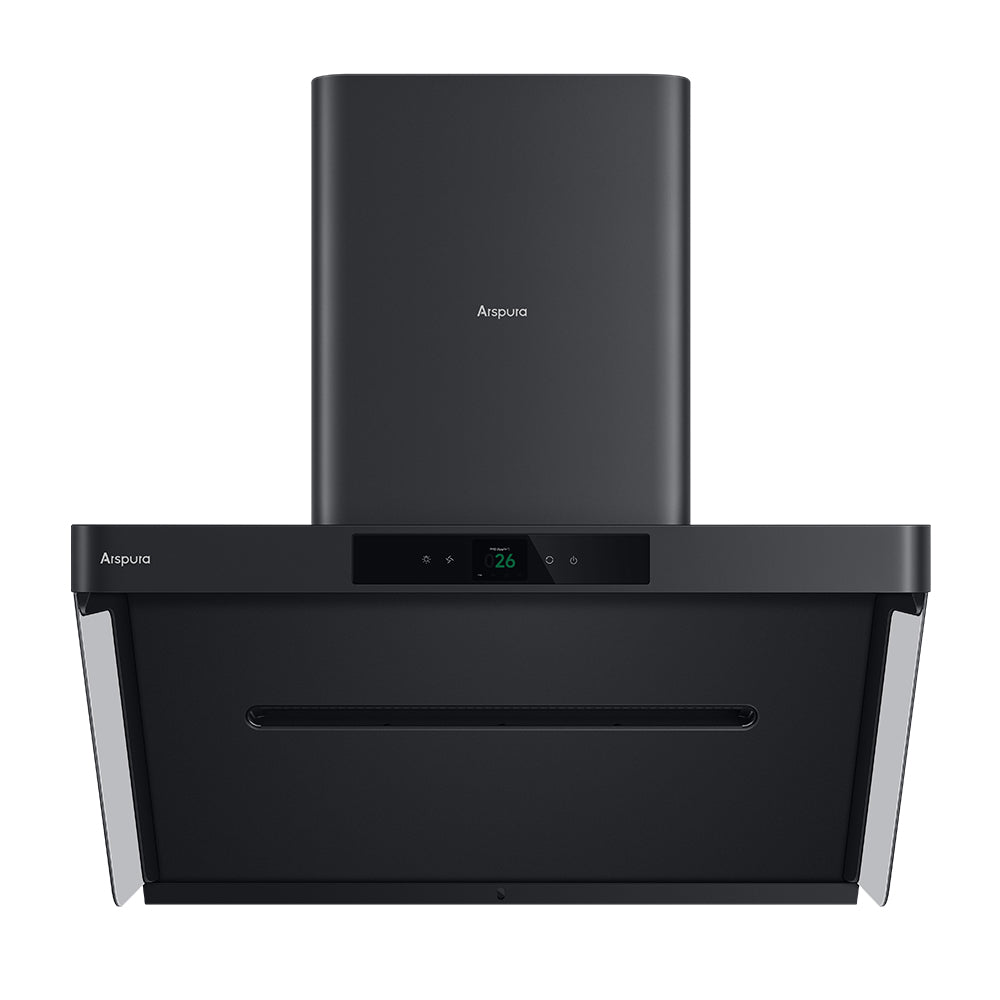
A quality kitchen hood combines several essential features that determine its effectiveness in maintaining air quality and durability over time. Extraction capacity, measured in cubic feet per minute (CFM), represents the volume of air the hood can process and should match your cooking habits—higher BTU ranges and frequent high-heat cooking require stronger extraction power to adequately remove contaminants. The filtration system forms the foundation of performance, with multi-layer baffle filters proving most effective for grease capture while allowing easy cleaning, unlike mesh filters that clog quickly. Noise levels significantly impact user experience, as hoods operating below 65 decibels encourage consistent use rather than being switched off due to disruptive sound during meal preparation or conversation. Adjustable fan speeds provide flexibility to match ventilation intensity with cooking activity, conserving energy during light tasks while ramping up power when searing or frying. Adequate lighting illuminates your cooking surface, with LED options offering energy efficiency and long lifespan compared to traditional bulbs. Construction quality matters for longevity—stainless steel bodies resist corrosion from grease and cleaning agents better than painted surfaces that chip and deteriorate. The hood's capture area should extend beyond your cooktop edges to effectively contain rising smoke and steam before they escape into the kitchen. Easy-access filter removal mechanisms encourage regular maintenance, while indicator lights remind you when cleaning becomes necessary, helping you maintain optimal performance without guesswork.
Common Issues with Kitchen Hoods
Kitchen hoods develop predictable problems that signal declining performance and require attention before they escalate into costly repairs or complete system failure. Reduced suction power stands as the most frequent complaint, typically caused by grease-clogged filters that restrict airflow and force the motor to work harder while achieving less ventilation. Excessive noise during operation often indicates worn motor bearings, loose components vibrating against the housing, or debris caught in the fan blades that create rattling sounds. Grease dripping from the hood occurs when filters become saturated beyond capacity, allowing accumulated oil to liquefy from cooking heat and fall onto your stovetop or food. Persistent odors despite the hood running suggest either inadequate extraction capacity for your cooking volume or a recirculating system with carbon filters that have exceeded their effective lifespan and no longer neutralize smells. Lighting failures interrupt cooking visibility and may result from bulb burnout, electrical connection issues, or moisture damage to the fixture components. Uneven fan speeds or motors that won't start point to control switch malfunctions or electrical problems requiring immediate attention. Visible grease buildup on exterior surfaces indicates infrequent cleaning but also signals that internal components likely harbor even heavier deposits affecting mechanical function. Ductwork problems in vented systems, including disconnected sections or crushed flexible ducts, severely compromise exhaust efficiency even when the hood itself operates correctly, making proper installation verification essential during troubleshooting.
Cost Factors in Installing a Kitchen Hood
how much does it cost to install a kitchen hood involves several cost considerations that vary significantly based on the type of system, installation complexity, and your kitchen's existing infrastructure. The hood unit itself represents the primary expense, with basic under-cabinet models starting affordably while professional-grade island hoods commanding premium prices due to their size and power requirements. Venting configuration substantially impacts total costs—ducted systems that exhaust outdoors require ductwork installation, which becomes expensive when routing through walls, ceilings, or roofs involves structural modifications or long duct runs. Ductless recirculating hoods eliminate this expense but necessitate periodic carbon filter replacements that add ongoing operational costs. Electrical work factors into budgeting, particularly when your existing wiring doesn't support the hood's power requirements or when installing in locations far from electrical sources. Professional installation fees depend on project complexity, with straightforward replacements costing less than new installations requiring cabinet modifications, duct fabrication, or exterior wall penetrations. Additional expenses include duct materials, wall caps or roof vents for exterior termination, and potentially upgraded makeup air systems in tightly sealed homes where powerful hoods create negative pressure. Kitchen layout influences costs too—island installations demand more extensive ductwork and ceiling modifications compared to wall-mounted units. Permit fees may apply in some jurisdictions for electrical or structural work. While initial investment seems substantial, proper installation ensures optimal performance and longevity, making it worthwhile to budget adequately rather than compromising on essential components or professional expertise when your skills don't match the project's technical demands.
Easy Maintenance Tips for Kitchen Hoods
Regular maintenance keeps your kitchen hood functioning efficiently without requiring extensive time or specialized tools. Start by cleaning filters every two to four weeks depending on cooking frequency—remove baffle or mesh filters and soak them in hot water mixed with dish soap and baking soda for fifteen minutes, then scrub gently with a soft brush before rinsing thoroughly. For stubborn grease, add white vinegar to the soaking solution or run metal filters through your dishwasher on a hot cycle. Wipe down the hood's exterior surfaces weekly using a microfiber cloth dampened with warm soapy water, paying special attention to areas directly above the cooktop where grease accumulates fastest. Clean the underside of the hood monthly to prevent grease drips, using a degreasing spray on stainless steel surfaces and wiping in the direction of the grain to avoid streaking. Inspect and clean fan blades every three months by carefully accessing the motor housing and wiping blades with a degreaser-soaked cloth, ensuring the power is disconnected first. Replace carbon filters in ductless systems every three to six months as they cannot be cleaned and lose effectiveness over time. Check ductwork annually for disconnections, damage, or excessive grease buildup that restricts airflow. Run your hood for five minutes after finishing cooking to clear residual moisture and odors, preventing condensation inside the system. These simple habits prevent major problems while maintaining optimal air quality performance.
Air Quality Improvement with a Kitchen Hood
A properly functioning kitchen hood dramatically transforms indoor air quality by removing harmful pollutants that would otherwise circulate throughout your home. During cooking, combustion processes release nitrogen dioxide and carbon monoxide, while high-heat methods generate ultrafine particles small enough to penetrate deep into lung tissue. Your hood intercepts these contaminants immediately, preventing accumulation that can cause respiratory irritation, headaches, and long-term health effects. The extraction system also eliminates excess humidity that encourages dust mite proliferation and mold spores, both common allergen sources that thrive in damp environments. Volatile organic compounds from heated oils and cleaning products get captured before they off-gas into living areas, reducing chemical exposure for sensitive individuals. Running your hood consistently during and after cooking creates measurable improvements—studies show properly vented kitchens contain significantly fewer airborne particles compared to unventilated spaces. The air exchange rate matters tremendously, as stagnant air allows pollutants to concentrate while continuous ventilation dilutes and removes them. Even ductless systems with quality carbon filters substantially reduce odors and some gaseous pollutants, though ducted versions that exhaust outdoors provide superior contaminant removal. For households with asthma sufferers or young children whose developing lungs are particularly vulnerable, consistent hood use represents a simple yet powerful intervention that creates measurably cleaner breathing air where families spend considerable time together.
Grease Removal Techniques
Effective grease removal requires targeted approaches that break down oil molecules without damaging your hood's surfaces or finishes. For routine cleaning, create a powerful degreasing solution by mixing equal parts hot water and white vinegar with a tablespoon of dish soap, applying it generously to greasy areas and letting it sit for ten minutes before wiping clean. Baking soda paste works exceptionally well on stubborn deposits—combine three parts baking soda with one part water to form a spreadable consistency, apply directly to caked-on grease, and gently scrub with a non-abrasive sponge after fifteen minutes. Commercial degreasers formulated for kitchen use provide strong cleaning action but require careful application according to manufacturer directions, particularly on stainless steel where harsh chemicals can cause discoloration. Steam cleaning offers a chemical-free alternative that loosens grease through heat and moisture—hold a steam cleaner nozzle near affected areas until grease liquefies, then wipe away immediately with microfiber cloths. For filter deep-cleaning, submerge them in boiling water with a cup of baking soda and let soak until water cools, allowing the alkaline solution to saponify grease for easy removal. Prevent future buildup by wiping down surfaces immediately after cooking while grease remains warm and easier to remove. Always work from top to bottom when cleaning to avoid re-contaminating already cleaned areas, and use separate cloths for different surfaces to prevent cross-contamination that spreads grease rather than eliminating it.
Choosing the Right Size and Type of Kitchen Hood
Selecting the appropriate kitchen hood requires matching its specifications to your cooking setup and kitchen configuration for optimal performance. Begin by measuring your cooktop width—your hood should be at least as wide as the cooking surface, with an ideal overhang of three inches on each side to effectively capture rising smoke and steam before it escapes. Calculate the required CFM rating by multiplying your range's BTU output by 0.01 for gas stoves, or selecting 100 CFM per linear foot of cooktop width for electric ranges, then adding 20% if your kitchen has high ceilings or opens to adjacent rooms. Ducted hoods that vent outdoors provide superior air removal and work best for frequent or high-heat cooking, while ductless recirculating models suit apartments or spaces where exterior venting isn't feasible, though they require diligent filter maintenance. Wall-mounted hoods fit against backsplashes in standard kitchen layouts and offer straightforward installation, whereas island hoods require ceiling mounting and more extensive ductwork but provide necessary ventilation for cooktops positioned away from walls. Under-cabinet models maximize space efficiency in compact kitchens but typically offer lower CFM ratings suitable for light cooking. Consider ceiling height when selecting hood depth—standard 18 to 24 inch depths work for typical installations, while deeper models better contain smoke in kitchens with ceilings above nine feet. Your cooking style matters significantly—frequent frying, wok cooking, or grilling demands commercial-grade extraction power, while occasional meal preparation allows more modest specifications that balance performance with budget constraints.
DIY Maintenance vs. Professional Installation
Determining which kitchen hood tasks you can handle yourself versus when to call professionals saves money while ensuring safety and proper function. Regular maintenance activities like filter cleaning, exterior wiping, and bulb replacement fall squarely within DIY territory, requiring only basic supplies and minimal technical knowledge that most homeowners possess. Cleaning fan blades and inspecting visible ductwork connections can be managed independently if you're comfortable working with simple tools and following safety protocols like disconnecting power before accessing internal components. However, installation of new hoods demands professional expertise due to electrical work that must meet code requirements, ductwork fabrication requiring proper sizing and pitch for efficient exhaust, and structural modifications that affect your home's integrity. Attempting complex installations without proper training risks electrical hazards, inadequate ventilation from improper duct routing, and voided warranties when manufacturer specifications aren't followed precisely. Motor replacement and control board repairs also warrant professional service, as misdiagnosis leads to unnecessary part purchases while electrical troubleshooting poses shock risks. Consider your skill level honestly—if you've successfully completed similar projects and understand electrical safety, replacing an existing hood with identical dimensions might be manageable, but first-time installations or upgrades requiring new ductwork justify professional costs. The middle ground involves DIY exterior work while hiring electricians specifically for wiring connections, combining cost savings with safety assurance where technical expertise matters most.
Maintaining Your Kitchen Hood for Long-Term Performance
Maintaining your kitchen hood doesn't need to be complicated or time-consuming, yet the benefits to your home's air quality and overall health are substantial. By implementing the straightforward cleaning routines and maintenance practices outlined in this guide, you can ensure your ventilation system operates at peak efficiency for years to come. Regular filter cleaning, proper grease removal, and attention to early warning signs of mechanical issues prevent costly repairs while protecting your family from harmful cooking pollutants. Whether you choose a ducted or ductless system, selecting the right hood size and specifications for your cooking style makes all the difference in effectiveness. Remember that consistent use of your hood during and after cooking maximizes its air-cleaning benefits, while keeping quality cleaning supplies from brands like Arspura on hand makes routine maintenance even more convenient. The small investment of time in hood care pays dividends through cleaner air, reduced odors, and a healthier kitchen environment where your family gathers daily. With these practical strategies, you're now equipped to take control of your kitchen's air quality and extend the life of this essential appliance.

You must be logged in to post a comment.