
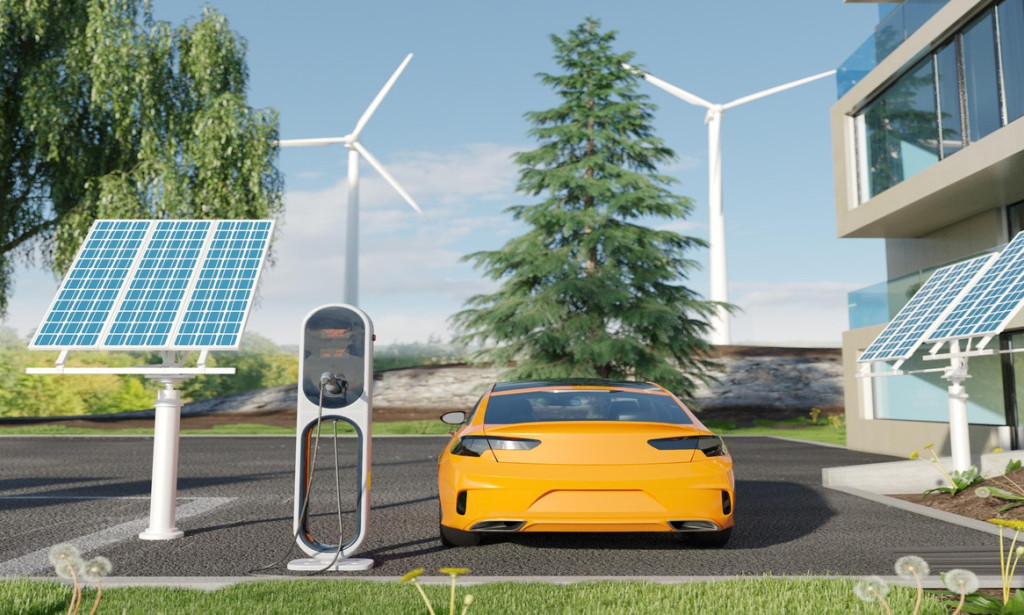
Solar and EV charging infrastructure design is rapidly becoming one of the most important components of modern urban development. As electric vehicles gain global popularity and renewable energy becomes a central part of climate strategies, integrating solar power with EV charging networks is no longer optional but essential. Cities, businesses, and residential communities are increasingly investing in infrastructure that supports clean transportation while reducing dependence on fossil fuels. This combination of solar energy generation and electric vehicle charging offers a powerful solution for reducing carbon emissions, lowering energy costs, and improving long-term sustainability.
The transition toward electric mobility is accelerating due to environmental awareness, government incentives, and advancements in battery technology. However, the success of this transition depends heavily on the availability of efficient and reliable charging infrastructure powered by renewable energy. Solar-powered EV charging systems represent a smart approach that aligns energy production with energy consumption in a sustainable cycle.
Why Is Integrating Solar Energy With EV Charging Important?
The integration of solar energy with EV charging infrastructure is important because it addresses two major environmental challenges simultaneously. Electric vehicles reduce tailpipe emissions, but if the electricity used for charging comes from fossil fuels, the overall environmental benefit is reduced. Solar-powered charging stations solve this problem by providing clean, renewable electricity directly from the sun.
This integration also improves energy independence and resilience. Solar-powered charging systems can operate partially or fully off-grid, reducing reliance on traditional power grids and minimizing the risk of outages. Businesses and homeowners can generate their own electricity, reducing long-term energy costs while supporting sustainability goals.
In addition, solar charging infrastructure can help manage peak electricity demand. By generating power during the day when solar production is highest, these systems reduce strain on the grid and create a more balanced energy ecosystem.
What Are the Key Components of Solar EV Charging Infrastructure?
Solar and EV charging infrastructure design involves several interconnected components that work together to deliver efficient and reliable energy. Solar panels are the primary source of energy generation, converting sunlight into electricity. These panels are typically installed on rooftops, carports, or dedicated solar farms.
Energy storage systems, such as battery storage units, play a critical role in storing excess solar energy for use during nighttime or cloudy conditions. This ensures consistent charging availability regardless of weather or time of day.
EV charging stations themselves are another essential component. They come in different levels, from slower Level 1 chargers to fast Level 2 and DC fast chargers designed for quick charging in commercial settings. Smart energy management systems are also integrated to monitor energy production, storage, and consumption, ensuring optimal efficiency and performance.
How Does Solar EV Infrastructure Support Urban Development?
Urban areas face growing challenges related to air pollution, traffic congestion, and energy demand. Solar and EV charging infrastructure design provides a practical solution to these challenges by promoting cleaner transportation and smarter energy use.
Solar-powered charging stations can be integrated into parking lots, commercial centers, residential complexes, and public spaces. This makes charging convenient and accessible while reducing the environmental footprint of urban mobility. Solar carports, for example, provide shaded parking while generating renewable energy, making efficient use of available space.
Cities adopting solar EV infrastructure also benefit from improved public perception and sustainability rankings. These initiatives attract environmentally conscious businesses and residents, contributing to long-term economic growth and urban resilience.
What Role Does Smart Technology Play in Charging Infrastructure?
Smart technology is transforming how solar and EV charging systems operate. Advanced software and monitoring tools allow operators to track energy production, usage patterns, and system performance in real time. This data-driven approach improves efficiency and helps predict maintenance needs before problems occur.
Smart charging systems can also balance electricity demand by adjusting charging speeds based on grid conditions and solar energy availability. For example, charging can be prioritized during peak solar production hours, reducing reliance on grid electricity.
Integration with mobile apps and digital platforms allows users to locate charging stations, monitor charging progress, and manage payments easily. This enhances user experience and encourages wider adoption of electric vehicles.
What Challenges Exist in Solar and EV Infrastructure Design?
Despite its benefits, solar and EV charging infrastructure design faces several challenges. Initial installation costs can be high, especially for large-scale projects that require extensive solar arrays and battery storage systems. However, long-term savings and government incentives often offset these costs over time.
Another challenge is space availability, particularly in densely populated urban areas. Designers must carefully plan installations to maximize efficiency while minimizing land use. Weather variability can also affect solar energy production, making energy storage systems essential for maintaining consistent performance.
Regulatory and permitting processes may also present hurdles, as infrastructure projects must comply with local building codes, electrical standards, and environmental regulations.
How Will Solar EV Infrastructure Shape the Future?
The future of transportation and energy is closely linked, and solar EV infrastructure will play a central role in shaping this future. As solar technology becomes more efficient and battery storage costs continue to decrease, solar-powered charging networks will become more accessible and widespread.
The expansion of this infrastructure will support the global shift toward electric mobility, reduce greenhouse gas emissions, and promote cleaner urban environments. Businesses, governments, and homeowners are expected to increasingly invest in integrated solutions that combine renewable energy with transportation systems.
This transformation represents a major step toward achieving global sustainability goals while meeting the growing demand for clean and reliable transportation options.
Conclusion
Solar and EV charging infrastructure design represents a powerful step toward a cleaner, more sustainable future. By combining renewable energy generation with electric vehicle charging, this approach reduces environmental impact, improves energy efficiency, and supports modern urban development. As demand continues to grow, professionally engineered solutions will be essential for ensuring reliable and scalable infrastructure. For expert guidance and innovative engineering solutions in this evolving field, S3DA Design Firm stands as a trusted partner in delivering advanced, future-ready design strategies.

You must be logged in to post a comment.