

Access to healthcare has long been a challenge in rural and underserved areas. Patients living in remote regions often face long travel times, lack of nearby hospitals, and limited availability of specialists. These barriers not only delay treatment but also contribute to widening health disparities. A promising solution to bridge this gap is the mobile medical vehicle. By bringing healthcare directly to patients, mobile units are transforming the way essential services are delivered in communities that need them the most.
Understanding Mobile Medical Vehicles
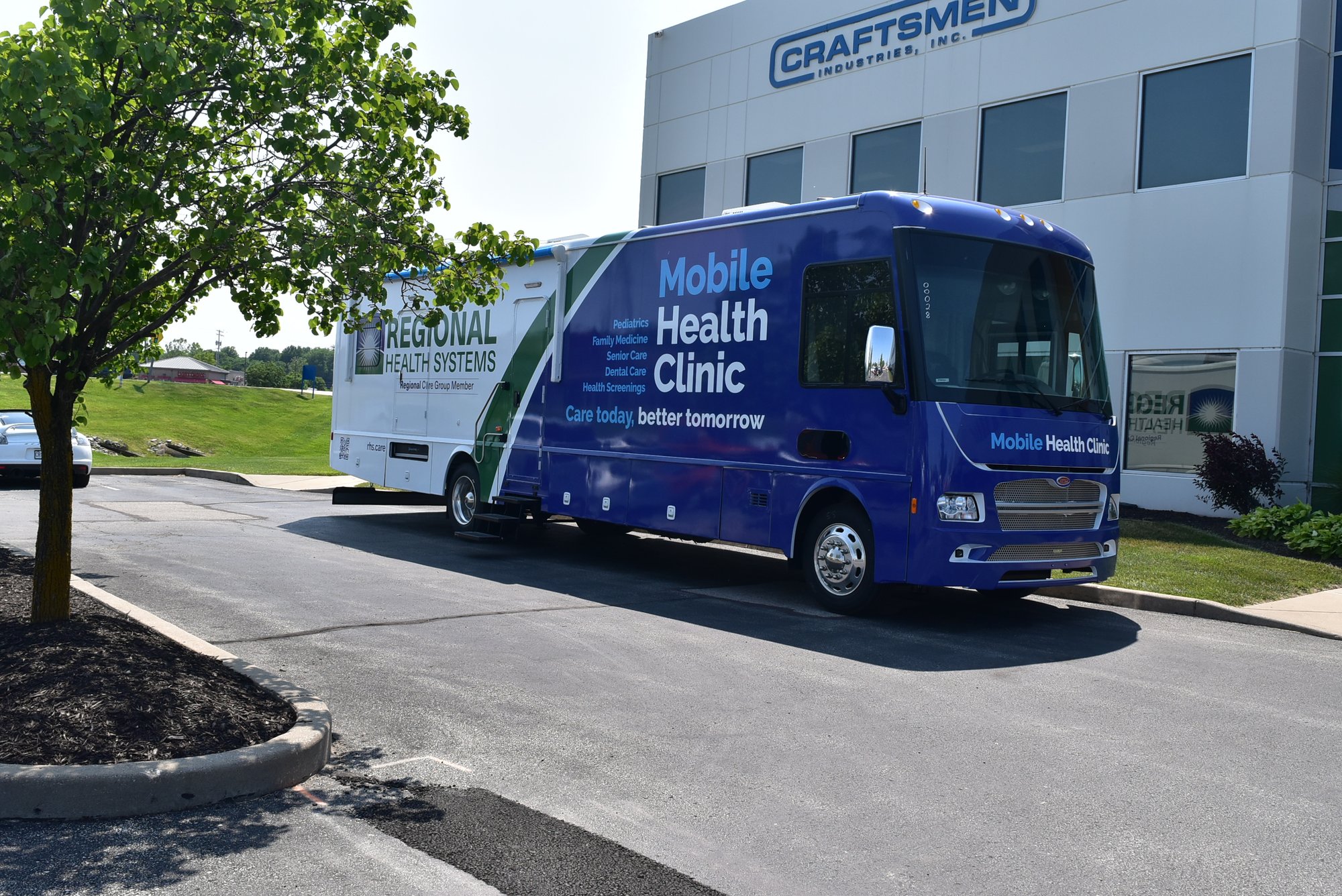
A mobile medical vehicle is a fully equipped clinic on wheels, designed to provide healthcare outside traditional hospital settings. These vehicles can range from compact vans offering primary care to larger, customized medical trailers capable of supporting diagnostic imaging, dental care, vaccinations, and even minor surgical procedures. What makes them unique is flexibility. Instead of requiring patients to travel long distances, a mobile medical vehicle reaches directly into neighborhoods, schools, community centers, and rural towns. This model helps reduce access barriers, making it possible for more people to receive timely medical attention.
Why Rural Communities Struggle with Healthcare Access
To understand why mobile healthcare is so impactful, it’s important to examine the challenges rural populations face:
-
Geographic barriers: Many patients live far from hospitals, with limited public transportation.
-
Shortage of healthcare professionals: Rural areas often lack enough doctors, nurses, and specialists.
-
Economic challenges: High poverty rates in rural areas can prevent residents from seeking preventive care.
-
Health disparities: Higher rates of chronic illnesses, such as diabetes and heart disease, are common in rural populations.
These issues make rural communities more vulnerable to untreated illnesses and health complications. Without an innovative solution, the healthcare gap continues to grow.
How Mobile Medical Vehicles Improve Rural Healthcare
A mobile medical vehicle provides a practical, scalable solution to these challenges. Here’s how:
1. Bringing Care Directly to Patients
Instead of waiting for patients to come to hospitals, medical vehicles go where people live. This drastically reduces travel barriers and makes healthcare more convenient.
2. Expanding Preventive Care
Preventive services like screenings, vaccinations, and wellness checkups can be conducted in mobile clinics. Early detection reduces long-term healthcare costs and prevents complications.
3. Supporting Chronic Disease Management
Rural patients with conditions like hypertension or diabetes benefit from regular monitoring provided by mobile units. Consistent checkups help avoid emergencies.
4. Offering Specialized Services
Mobile medical vehicles can be customized for specific needs—dental units, women’s health clinics, eye care, or even mobile labs. This flexibility ensures rural communities have access to care they would otherwise miss.
5. Emergency and Disaster Response
In natural disasters or public health crises, mobile medical units act as frontline responders. They can deliver urgent care when fixed facilities are damaged or overwhelmed.
Real-World Impact of Mobile Medical Vehicles
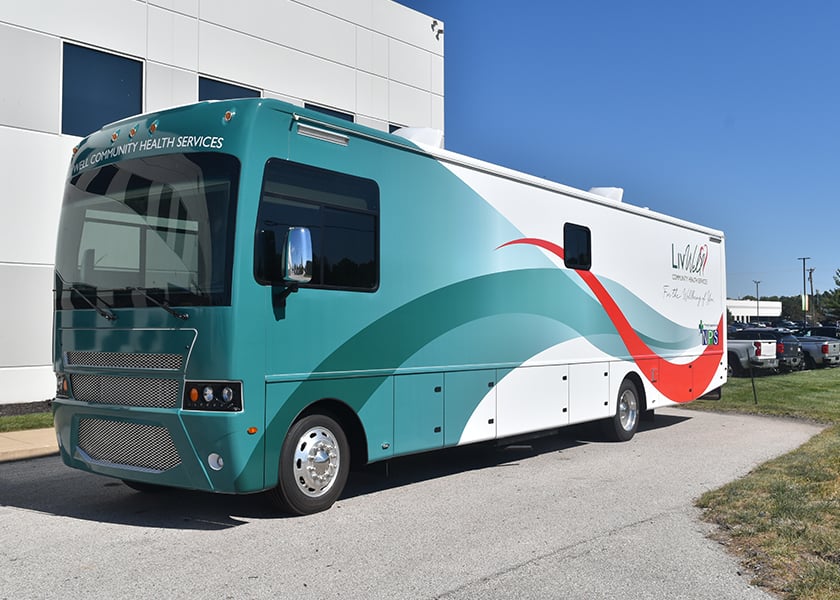
Many healthcare organizations have already deployed mobile medical vehicles with measurable success. For example, mobile mammography clinics have increased screening rates among women in underserved areas. Similarly, mobile dental units in schools ensure children receive essential oral care without missing classes. In rural America, mobile clinics have been shown to reduce hospital admissions by addressing conditions early. Globally, mobile health programs in developing countries bring maternal care and vaccinations to regions without permanent medical facilities. These real-world cases prove that mobility is more than a convenience it’s a lifeline.
Challenges in Implementing Mobile Healthcare
While the benefits are clear, mobile medical vehicles come with challenges that must be addressed:
-
Initial investment cost : Purchasing and customizing a mobile medical vehicle requires significant funding.
-
Staffing limitations : Recruiting healthcare professionals to work in mobile environments can be difficult.
-
Regulatory compliance : Vehicles must meet healthcare and transportation standards.
-
Operational logistics : Scheduling routes, maintaining equipment, and fueling vehicles require strong planning.
Despite these hurdles, many organizations find that the long-term benefits outweigh the initial obstacles. Grants, public-private partnerships, and government programs often support mobile health initiatives, making them financially sustainable.
Future of Mobile Medical Vehicles in Rural Healthcare
With advancements in telemedicine, diagnostic technology, and vehicle design, the role of mobile medical vehicles will only expand. Future models are expected to feature integrated telehealth systems, enabling remote consultations with specialists. Portable diagnostic equipment, solar-powered energy systems, and AI-driven patient data management will make mobile healthcare more efficient and accessible. Additionally, as governments and nonprofits focus more on health equity, funding opportunities for mobile medical programs will likely increase. This means more rural communities can expect consistent, high-quality healthcare delivered to their doorsteps.
Conclusion
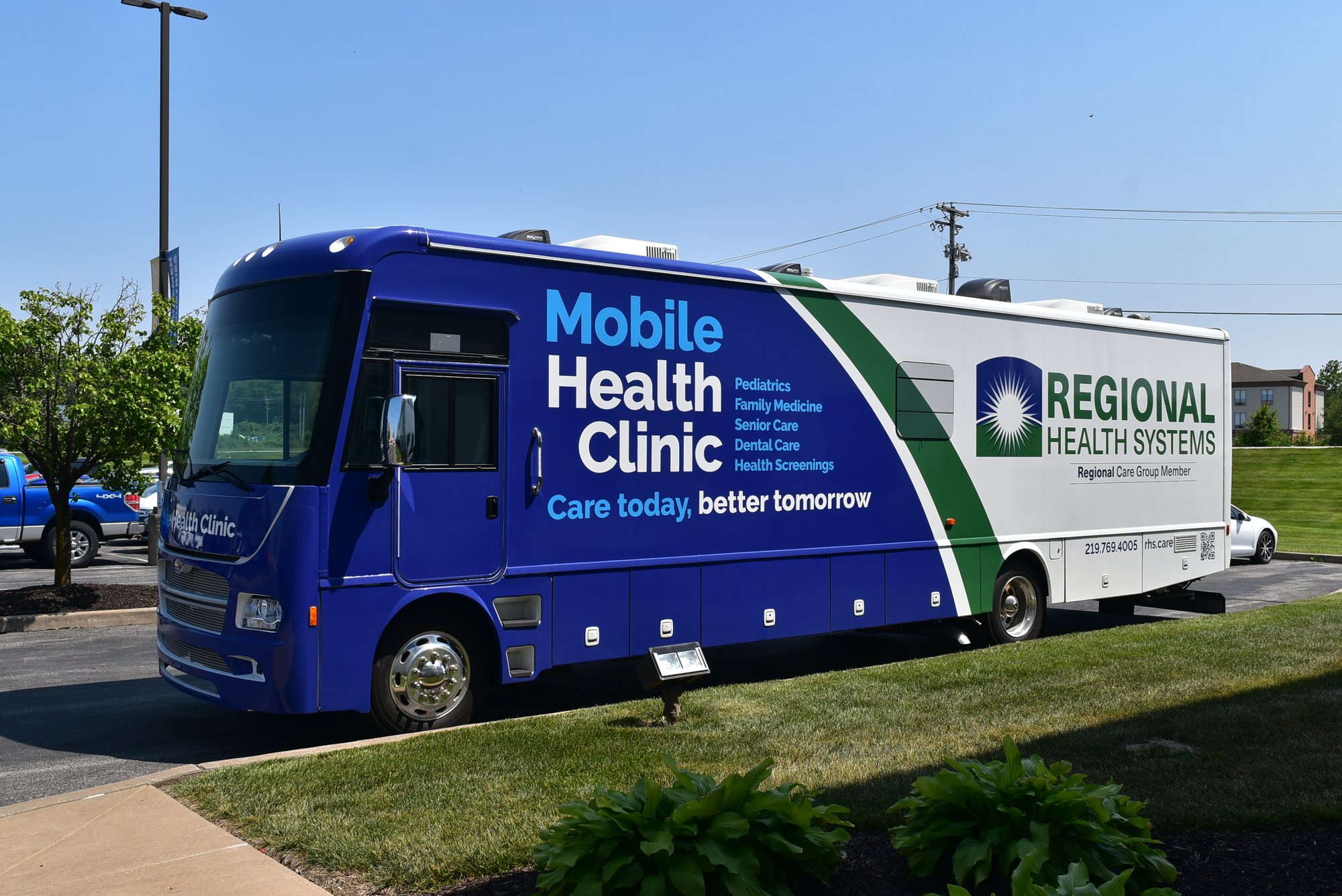
Whether mobile medical vehicles are a solution for rural healthcare access is a clear yes. By removing barriers related to distance, cost, and limited facilities, mobile units ensure that essential services reach people who would otherwise go without care. While challenges exist, the benefits of improved preventive care, chronic disease management, and expanded access to specialists make mobile healthcare an essential strategy for addressing rural health disparities. As technology evolves and healthcare systems embrace innovation, mobile medical vehicles will continue to play a vital role in reshaping healthcare delivery. For rural communities worldwide, these vehicles are more than just clinics on wheels—they are a bridge to healthier futures.
FAQs
What is a mobile medical vehicle?
A mobile medical vehicle is a specially designed unit that brings healthcare services directly to patients. These vehicles are equipped with exam rooms, diagnostic tools, and sometimes labs, allowing healthcare providers to deliver care in remote or underserved areas.
How do mobile medical vehicles improve rural healthcare access?
Mobile medical vehicles reduce barriers to care by traveling to patients in areas where hospitals or clinics are limited. They provide preventive care, screenings, vaccinations, and chronic disease management, improving overall community health.
What services can a mobile medical vehicle provide?
Depending on customization, services may include primary care, dental care, women’s health, diagnostic imaging, telemedicine, and lab testing. Many vehicles are tailored to specific medical specialties.
Are mobile medical vehicles cost-effective for healthcare organizations?
Yes. Instead of investing in building new facilities, healthcare providers can use mobile medical vehicles to extend services with lower overhead costs, while also reaching more patients.
Can mobile medical vehicles be customized?
Absolutely. Mobile medical vehicles can be customized with exam tables, telemedicine systems, diagnostic tools, and even specialized equipment for pediatrics, dentistry, or emergency response.

You must be logged in to post a comment.