

Understanding whether you are experiencing early Pregnancy Symptoms or regular PMS signs can be confusing because many of the sensations feel similar. But there are several differences that can help you identify what is actually happening in your body. Here, we will look at the major signs for both conditions and help you find the key differences in a clear and organized manner.
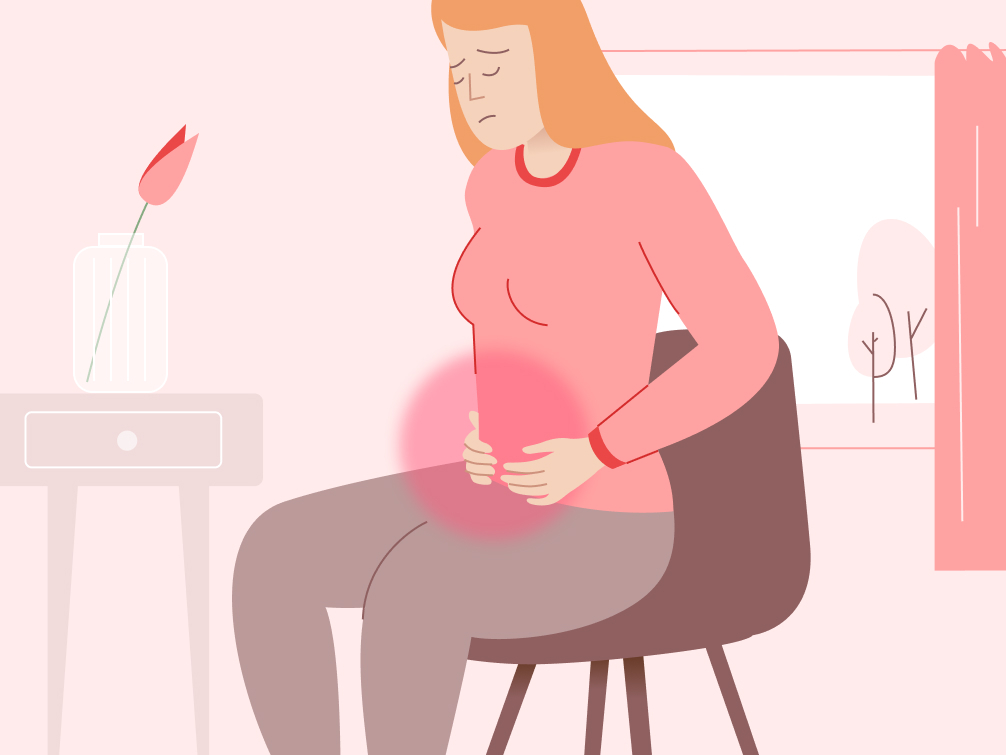
How Do First Trimester Pregnancy Symptoms Differ From PMS Signs
Hormonal Changes
Both PMS and early pregnancy are influenced by hormonal changes. But the type and level of hormones vary.
In PMS, the symptoms occur due to changes in progesterone and estrogen before your period. These changes settle once the cycle starts.
In early pregnancy, you have rising levels of human chorionic gonadotropin, progesterone, and estrogen. These levels keep increasing and cause a steady continuation of symptoms rather than a drop.
Timing of Symptoms
PMS usually begins one to two weeks before your expected period. Once the period starts, the symptoms start fading.
In early pregnancy, the symptoms may begin around the time you expect your period or a few days after you miss it. They also persist for weeks because the hormone levels rise continuously.
Breast Changes
Breast discomfort is common in both situations. In PMS, the breasts may feel swollen and sore, but the sensitivity reduces once your cycle starts.
In early pregnancy, the breasts may feel heavier, more sensitive, and sometimes tingly. The changes last longer and may intensify as the first trimester progresses.
Fatigue
Tiredness is another sign that appears in both cases. PMS fatigue is usually mild to moderate and settles once the period starts.
Pregnancy fatigue can be stronger. It continues for several weeks due to the rise in progesterone and increased energy needs of the body. This is one of the early Pregnancy Symptoms that can feel noticeably stronger.
Nausea and Appetite Changes
Nausea is usually not a PMS symptom. So, if you feel persistent nausea or morning sickness, it may indicate early pregnancy. Appetite changes can also happen in PMS, but they often revolve around cravings for specific foods.
In pregnancy, you may experience a stronger aversion to certain smells or foods. You may also crave very specific items. These changes may appear suddenly and stay longer than PMS-related cravings.
Cramps
Cramps in PMS are usually sharper and occur just before or during your cycle.
In early pregnancy, you may feel lighter cramps or a pulling sensation. These cramps are linked to the implantation process or the uterus preparing for growth. They are usually milder and may last for several days or weeks.
Mood Changes
Mood swings are common in both PMS and pregnancy. In PMS, the mood changes are short-lived and end shortly after your cycle starts.
In early pregnancy, mood changes may extend for a longer period. They might also feel more unpredictable due to the continuous rise in hormones.
Spotting
Spotting can occur in early pregnancy due to implantation. This spotting is usually lighter and shorter. PMS spotting can happen too, but it usually leads into your period.
Conclusion
PMS and early Pregnancy Symptoms can feel similar but the duration, intensity, and type of signs can help you identify the difference. PMS symptoms tend to appear before your period and fade once the cycle begins. Early pregnancy signs start around the missed period and continue for several weeks. By looking at the pattern of fatigue, nausea, breast changes, mood shifts, and spotting, you can understand what your body is undergoing. If the symptoms extend longer than usual or feel different from your typical PMS pattern, it may be an early sign of pregnancy.

You must be logged in to post a comment.