
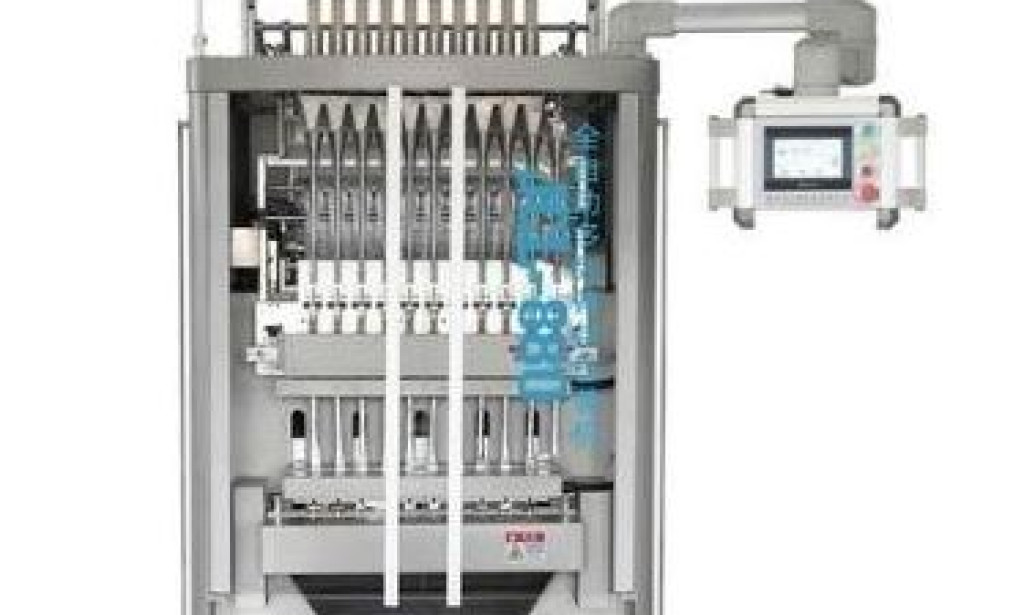
In stick pack packaging, the accuracy of the filling system is the single most important technical parameter from both a quality and a commercial perspective. From a quality perspective, accurate filling ensures that every stick pack contains the specified quantity of product — critical for consumer satisfaction, regulatory compliance in pharmaceutical and nutraceutical applications, and brand reputation in premium consumer goods categories. From a commercial perspective, systematic overfilling represents a direct and significant cost to the manufacturer, as each incremental gram of product above target weight in every pack across millions of units produced represents product given away without revenue. A precision stick pack filling machine that consistently delivers target weights within tight tolerances simultaneously protects product quality and maximizes production economics.
Auger Filling Systems for Powder and Granule Products
Auger-based filling systems are the most widely used dosing technology in stick pack filling machine for dry powder and granule products. An auger filler uses a rotating helical screw housed within a close-tolerance tube to transfer a controlled volume of product from the supply hopper to the forming tube below. The dose delivered per fill cycle is determined by the auger's pitch, diameter, and the number of rotations controlled by a precision servo motor. For free-flowing powders and granules with consistent bulk density, auger fillers provide excellent dosing accuracy typically within plus or minus one percent of target weight. For products with variable bulk density or challenging flow characteristics, the filling system design must account for these variations through additional controls or alternative dosing approaches.
Volumetric and Liquid Filling Technologies
For stick pack applications involving liquid, gel, or highly viscous products, volumetric filling technologies using gear pumps or piston pumps are the standard dosing approach. Gear pumps provide continuous, smooth flow suitable for liquid products with consistent viscosity, achieving high dosing accuracy through precise rotational control. Piston pumps deliver discrete volumes per stroke and are well-suited for viscous products, chunky gels, or products containing particulates that would be difficult to dose accurately by other means. The selection of the appropriate liquid filling technology requires understanding the product's viscosity, particle content, foaming tendency, temperature sensitivity, and the target dose volume and accuracy required. An experienced stick pack filling machine manufacturer can recommend the appropriate filling system for specific product characteristics.
Dosing Accuracy Verification and Checkweigher Integration
Verifying dosing accuracy in stick pack production requires a systematic approach that goes beyond periodic manual sampling. Integrating a high-speed checkweigher into the production line after the stick pack machine allows every finished pack to be weighed and compared against the target weight specification, with under- and over-weight packs automatically rejected before they proceed to secondary packaging. Checkweigher data, when fed back to the filling machine's control system, enables dynamic adjustment of the filling parameters to maintain target weight accuracy as product bulk density or flow characteristics vary during the production run. This closed-loop weight control approach provides significantly better filling accuracy and consistency than open-loop systems where dosing parameters are set at the beginning of a run and remain fixed until the next manual adjustment.
Hygienic Filling System Design for Food and Pharmaceutical Applications
For stick pack filling machine used in food, nutraceutical, or pharmaceutical applications, hygienic design of the filling system is a mandatory requirement that affects both product safety and regulatory compliance. The filling hopper, auger assembly, filling tube, and all product-contact surfaces must be constructed from food-grade stainless steel or other approved materials with smooth, easily cleaned surfaces free of crevices, dead zones, and horizontal surfaces that could harbor product residues or microorganisms. Quick-release filling system components that can be disassembled, cleaned, and reassembled rapidly reduce the time required for sanitation between production runs of different products. Documenting cleaning validation for filling systems is required in GMP-regulated applications and requires a filling system design that supports thorough and verifiable cleaning to the standards specified by the regulatory framework.

You must be logged in to post a comment.