

One of today's most urgent problems, climate change presents serious difficulties for both the earth and its inhabitants. It is a complex phenomenon that has an impact on many facets of our life, including the food we eat, the homes we live in, and even our general health. The purpose of this article is to shed light on the extensive effects of climate change and how they affect our daily live
1. Food security
The availability and production of food on a worldwide scale are significantly impacted by climate change. Global agricultural systems are in danger due to rising temperatures, shifting rainfall patterns, and extreme weather events. Prolonged droughts, floods, heat waves, and changing seasons all have an impact on crop yields, which lower production and make crops more susceptible to pests and diseases.
These production-related hiccups directly affect how we live our daily lives. Crop yields that are unstable can cause price swings, which can have an impact on the cost and availability of food.
Facing up the Challenges
1. Seaweed cultivation

Seaweed farming and other water-based food systems have come up more and more in recent years as potential solutions to issues brought on by traditional agriculture, such as its detrimental effects on freshwater supplies, biodiversity, and soil quality. Additionally, a third of the world's greenhouse gas emissions are thought to come from the food industry.
Growing seaweed could be particularly profitable as the demand for nutrient-rich seaweed products increases globally because it does not require any land, freshwater, or chemical fertilizers.
The cost of maintaining a nutritious diet is one of the largest issues with food insecurity in LMICs, according to Patrick Webb. "Even if they chose local goods at local pricing, there are around 3.5 billion people in the globe who cannot afford a nutritious diet. Many of those folks would benefit from more money and better nutrition as a result of growing and selling seaweed.

2. Insect-based foods
According to the World Economic Forum,
Greenhouse gases and climate change are caused by our consumption of animal protein. Untapped sources of protein and a weapon against climate change are insects. In many respects, eating insects can counteract climate change.
Why do we want to eat Insects?
1. Protein is becoming scarce.
There will be around 10 billion people on the planet by 2050. The need for protein will outstrip our capacity to supply it. The workhorse of the human cell is protein. Some of the essential amino acids required for life cannot be produced by the body without it. We must simultaneously expand food production and reduce carbon emissions if we want to survive over the long haul.
2. When compared to mammals, edible insects can provide a similar amount of high-quality protein.
3. Compared to animals, insects require less maintenance and care.

2. Infrastructure and Housing
Natural catastrophe hazards, like those from hurricanes, floods, and wildfires, are increased by climate change. Coastal areas are particularly at risk from rising sea levels, which raises the possibility of erosion and flooding. Extreme weather conditions can harm buildings, and infrastructure, and interfere with vital services like transportation, energy, and water supply.
Facing up the Challenges
1. Floating homes

Addressing the problems caused by increasing sea levels may involve floating homes. Coastal regions and low-lying areas are more susceptible to erosion and floods as sea levels rise as a result of climate change.
Floating homes can be pertinent in this situation in the following ways:
Ability to adapt to shifting water levels: Because floating homes are built to float on water, they can rise and fall as the water level changes. They can tolerate and lessen the effects of increasing sea levels thanks to their plasticity. Floating homes can be elevated or fitted with movable foundations to maintain a safe and liveable location above the water as sea levels rise.
Maldives Floating city project model
3. Health and well being
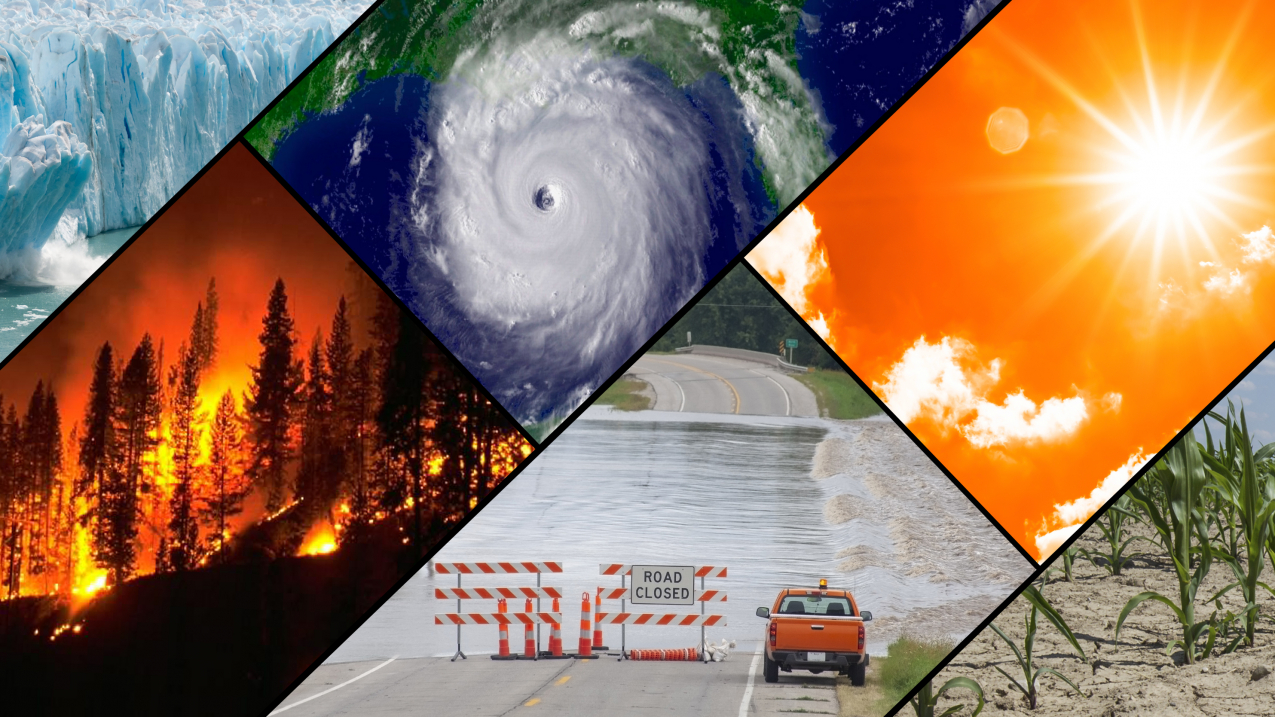
Climate change leads to an increase in the frequency and intensity of extreme weather events such as hurricanes, heatwaves, floods, and droughts. These events can result in injuries, displacement, and loss of life.
1. Extreme weather conditions: Hurricanes, heat waves, floods, and droughts are just a few examples of extreme weather conditions that are becoming more often and intense as a result of climate change. These occurrences may cause harm, displacement, and even fatalities.
2. Mental health impacts: Climate change and associated natural disasters can have significant psychological and emotional effects on individuals, including post-traumatic stress disorder (PTSD), anxiety, depression, and other mental health disorders.

Facing up the Challenges
1. Investing in research and innovation: To comprehend the complex connection between climate change and health and provide practical solutions, research, and innovation must be ongoing. This entails researching how climate change affects human health, creating cutting-edge technology for renewable energy and sustainable agriculture, and coming up with creative solutions to reduce the hazards to human health brought on by climate change.
2. Investing in strong healthcare systems is essential for addressing the health issues brought on by climate change. This entails boosting the capacity and resilience of healthcare facilities, educating medical staff about the health hazards posed by climate change, and enhancing surveillance systems to track and address climate-related health emergencies.
To address the health challenges brought on by climate change, solid healthcare systems must be invested in. The capacity and resilience of healthcare facilities must be increased, medical staff must be informed about the health risks posed by climate change, and surveillance systems must be improved to monitor and respond to climate-related health events.

You must be logged in to post a comment.