

Access to healthcare remains a major challenge in many parts of the world, particularly in rural, remote, and underserved areas. Patients in these regions often face long travel distances, limited healthcare facilities, and shortages of qualified medical professionals. These barriers can lead to delayed diagnoses, untreated conditions, and worse overall health outcomes. Mobile medical vehicles provide a practical and innovative solution, bringing healthcare services directly to patients and improving access, efficiency, and quality of care.
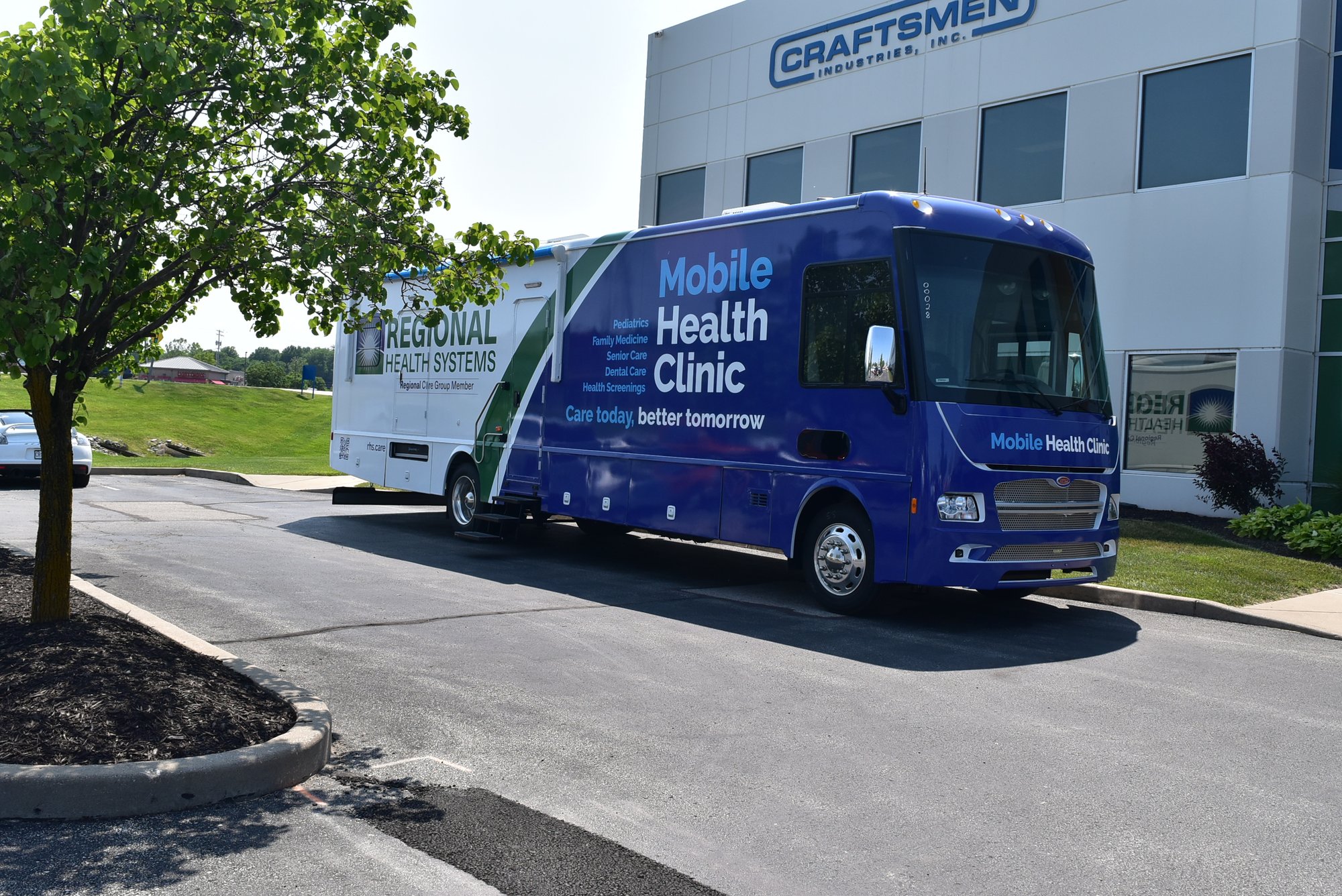
Understanding Mobile Medical Vehicles
A mobile medical vehicle is a specially designed, fully equipped clinic on wheels. These vehicles range from compact vans offering primary care to larger, customized trailers capable of supporting diagnostic testing, telemedicine, dental care, and even minor surgical procedures. The core advantage of a mobile medical vehicle is mobility. Unlike traditional healthcare facilities, which require patients to travel to the clinic, mobile units go to where patients live, work, or attend school. Modern mobile vehicles are highly adaptable, allowing healthcare providers to customize layouts, equipment, and services based on the community’s specific needs.
Challenges in Healthcare Access
Before exploring how mobile medical vehicles improve access, it is important to understand the obstacles they address:
-
Geographic barriers : Patients in rural areas may have to travel hours to reach the nearest hospital or clinic.
-
Healthcare workforce shortages : Rural and underserved communities often lack sufficient numbers of doctors, nurses, and specialists.
-
Economic limitations : High costs and limited insurance coverage can prevent residents from seeking preventive or routine care.
-
Health disparities : Chronic illnesses such as diabetes, hypertension, and cardiovascular disease are more prevalent in underserved populations.
These factors collectively contribute to reduced access to care, higher rates of preventable illness, and increased reliance on emergency services.
How Mobile Medical Vehicles Improve Healthcare Access
Mobile medical vehicles address these challenges effectively, delivering services directly to patients in their communities.
Eliminating Geographic Barriers
One of the primary ways mobile medical vehicles improve healthcare access is by reducing travel time and distance. By bringing care to neighborhoods, schools, workplaces, and community centers, these vehicles make it easier for patients to receive timely treatment. This is particularly important in rural areas where transportation options are limited.
Expanding Preventive Services
Preventive healthcare is critical for early detection of disease and long-term health management. Mobile medical vehicles offer screenings, vaccinations, routine checkups, and wellness assessments directly in the community. By providing these services on-site, they reduce delays in care and help prevent more serious health issues down the line.
Managing Chronic Conditions
Chronic diseases such as diabetes, hypertension, and asthma require regular monitoring and follow-ups. Mobile medical vehicles provide continuous care, enabling patients to maintain treatment regimens without traveling long distances. This consistent access to care helps reduce complications and hospitalizations.
Delivering Specialized Services
Mobile medical vehicles can be customized to meet specific healthcare needs. Examples include dental units, mammography vans, pediatric care vehicles, and telemedicine-equipped units. Specialized services that are typically unavailable in rural areas become accessible, helping communities receive comprehensive healthcare.
Supporting Emergency and Disaster Response
Mobile medical vehicles are invaluable in emergencies or disasters, such as floods, hurricanes, or disease outbreaks. They can be deployed quickly to provide urgent care, vaccinations, and other essential services when fixed facilities are overwhelmed or inaccessible. This rapid response improves outcomes and saves lives.
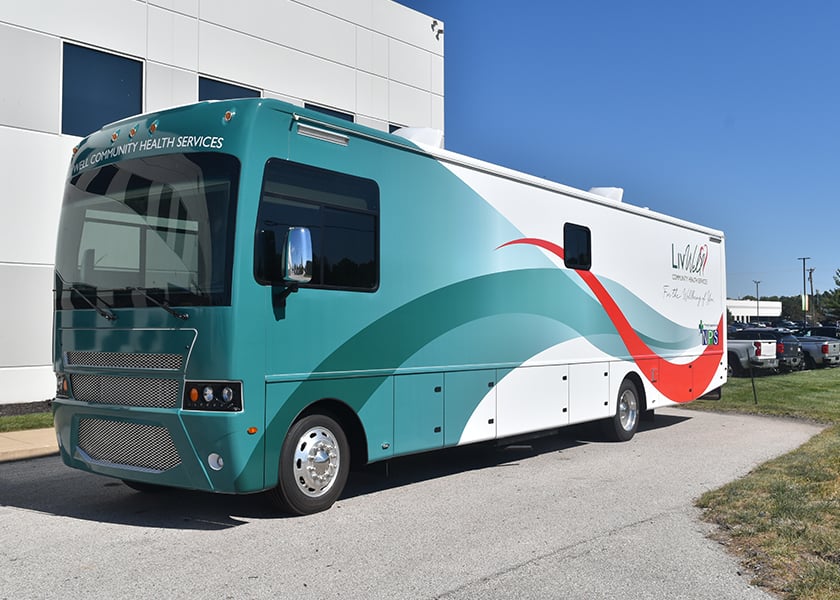
Real-World Impact of Mobile Medical Vehicles
Numerous studies and programs demonstrate the effectiveness of mobile medical vehicles in expanding healthcare access:
-
Mobile vaccination units have increased immunization rates in rural populations by offering on-site services.
-
Dental mobile units in schools have improved oral health among children with limited access to dental care.
-
Mobile chronic disease management programs have reduced hospital admissions and improved patient adherence to treatment plans.
-
In low-resource countries, mobile maternal and child health units have significantly reduced mortality by providing care directly to remote communities.
These examples highlight how mobile medical vehicles not only reach patients effectively but also improve overall health outcomes and reduce disparities.
Key Considerations for Implementing Mobile Medical Vehicles
To maximize the benefits of mobile medical vehicles, healthcare providers should consider several critical factors:
Vehicle Durability and Reliability
Mobile medical vehicles operate in diverse conditions, from urban streets to rural roads. Durable chassis, reliable engines, and well-maintained suspension and HVAC systems are essential for uninterrupted operations. A high-quality vehicle ensures long-term performance and minimal downtime.
Compliance and Safety
Mobile medical vehicles must comply with healthcare regulations, including ADA accessibility, electrical safety, ventilation standards, and local healthcare codes. ISO or AS certifications further ensure quality and safety in manufacturing. Compliance prevents costly retrofits and protects patients and staff.
Staffing and Training
Qualified medical professionals are necessary to operate mobile units efficiently. Staff should be trained not only in healthcare delivery but also in managing workflows, operating equipment, and ensuring patient safety in confined spaces.
Equipment and Technology
Mobile medical vehicles should be equipped with essential tools, including exam tables, diagnostic devices, telemedicine systems, and secure storage for medications and vaccines. Advanced technology allows providers to deliver a wide range of services comparable to traditional clinics.
Operational Logistics
Efficient scheduling, route planning, maintenance, and supply management are critical. Well-organized logistics ensure mobile units reach communities consistently and provide uninterrupted care.
Advantages of Mobile Medical Vehicles
Investing in mobile medical vehicles offers multiple benefits:
-
Expanded access : Brings healthcare services directly to underserved populations.
-
Cost-effectiveness : Reduces the need for permanent clinic infrastructure.
-
Flexibility : Units can be customized for different medical specialties and deployed as needed.
-
Improved health outcomes : Early detection, preventive care, and chronic disease management reduce long-term healthcare costs.
Future of Mobile Medical Vehicles
With technological advancements, the role of mobile medical vehicles will continue to grow. Telemedicine integration enables virtual consultations with specialists, while portable diagnostic toolsallow for faster and more accurate testing. Innovations such as solar-powered energy systems, AI-driven patient management, and compact lab equipment increase efficiency and reduce operational costs. Governments and nonprofit organizations are increasingly supporting mobile health initiatives, ensuring broader access to quality care. As funding and technology evolve, mobile medical vehicles are expected to become a cornerstone of healthcare delivery in underserved regions.
Conclusion
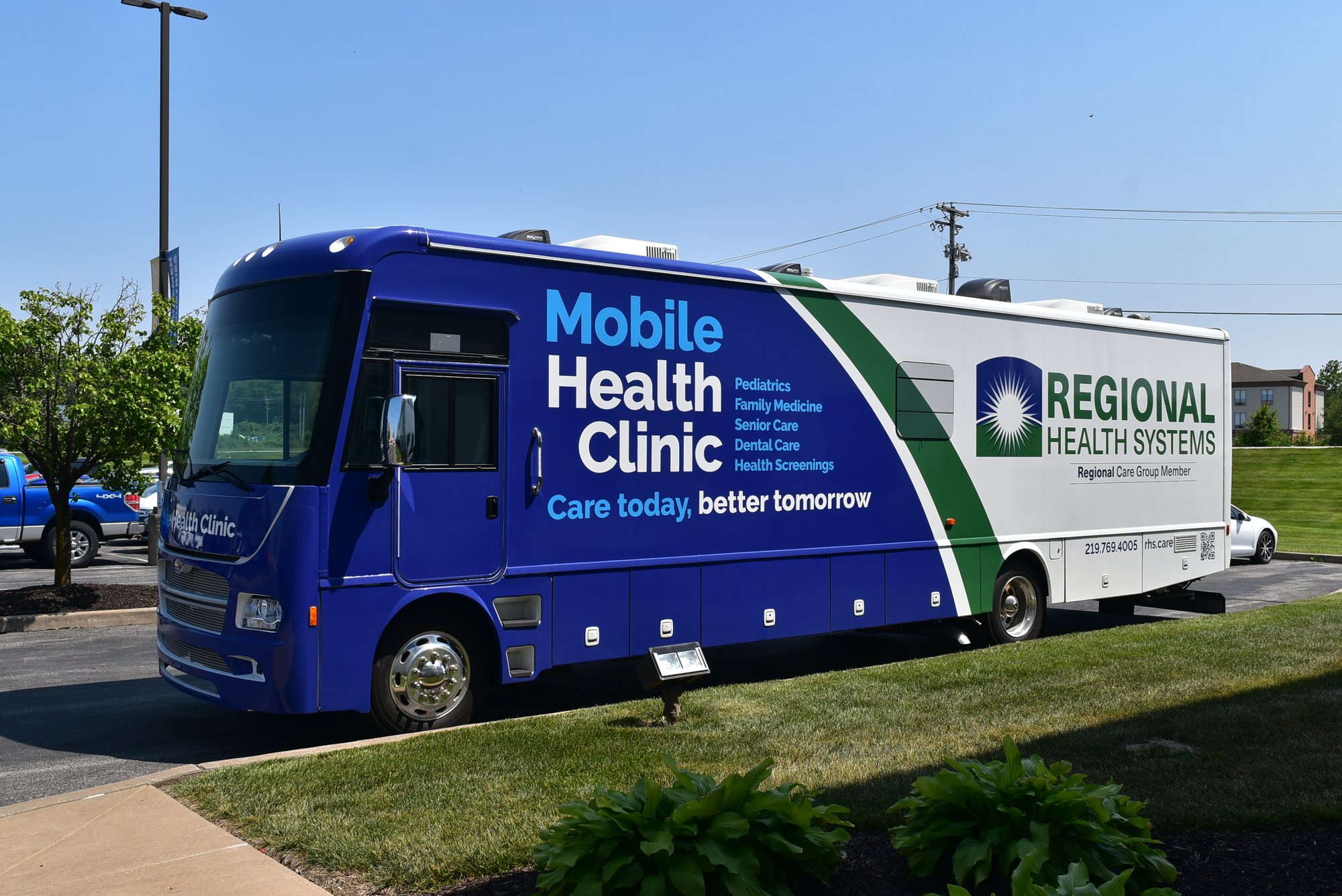
Mobile medical vehicles are highly effective in improving healthcare access, especially in rural and underserved areas. By reducing travel barriers, expanding preventive services, managing chronic diseases, and delivering specialized care, these units make healthcare more accessible, convenient, and equitable. While operational, regulatory, and staffing challenges exist, the benefits of improved patient outcomes, cost savings, and flexibility make mobile medical vehicles a powerful solution for modern healthcare delivery. As innovation continues, these vehicles will play a critical role in bridging gaps in healthcare access and building healthier communities.
FAQs
What is a mobile medical vehicle?
A mobile medical vehicle is a specially designed unit that brings healthcare services directly to patients. These vehicles are equipped with exam rooms, diagnostic tools, and sometimes labs, allowing healthcare providers to deliver care in remote or underserved areas.
How do mobile medical vehicles improve rural healthcare access?
Mobile medical vehicles reduce barriers to care by traveling to patients in areas where hospitals or clinics are limited. They provide preventive care, screenings, vaccinations, and chronic disease management, improving overall community health.
What services can a mobile medical vehicle provide?
Depending on customization, services may include primary care, dental care, women’s health, diagnostic imaging, telemedicine, and lab testing. Many vehicles are tailored to specific medical specialties.
Are mobile medical vehicles cost-effective for healthcare organizations?
Yes. Instead of investing in building new facilities, healthcare providers can use mobile medical vehicles to extend services with lower overhead costs, while also reaching more patients.
Can mobile medical vehicles be customized?
Absolutely. Mobile medical vehicles can be customized with exam tables, telemedicine systems, diagnostic tools, and even specialized equipment for pediatrics, dentistry, or emergency response.

You must be logged in to post a comment.