
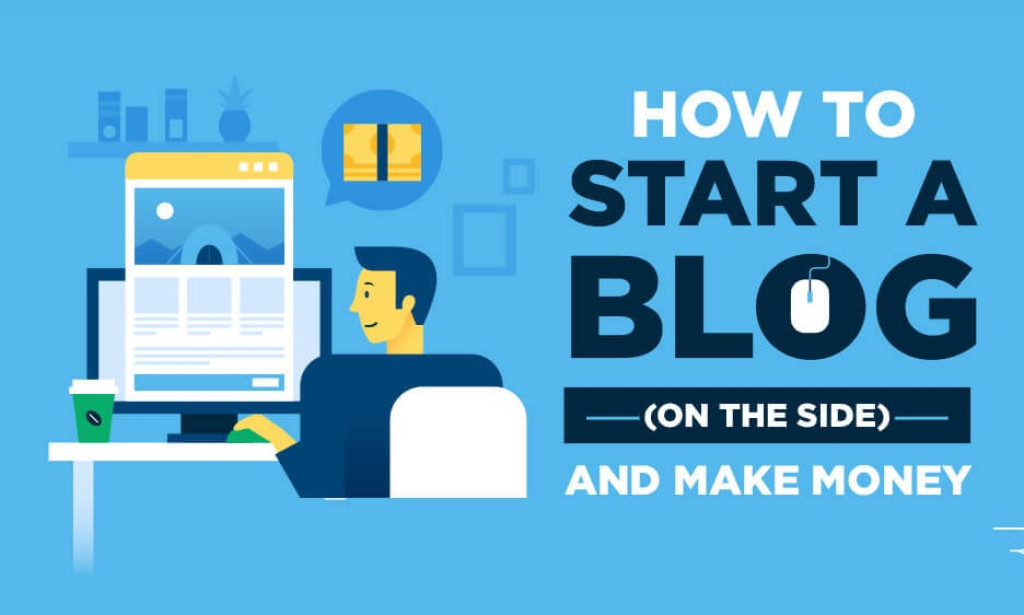
How Can a Beginner Start Blogging?
Starting a blog today is one of the smartest ways to build an online presence, share your knowledge, and even create a passive income stream. However, many beginners feel confused because there is so much information available online. The good news is that blogging doesn’t require technical expertise or a huge investment. What it really requires is clarity, consistency, and a step-by-step approach. In this detailed guide, you will learn how to start a blog from scratch, even if you have zero experience. Each section below includes deep insights, practical advice, and SEO-focused guidance to help you succeed.
Understand Why You Want to Start a Blog
Before you even think about choosing a domain name or writing your first post, it is extremely important to understand your purpose behind blogging. Many beginners jump straight into creating a blog without having a clear direction, which leads to confusion and burnout later. When you know your “why,” it becomes easier to stay motivated, choose the right niche, and create meaningful content. Whether your goal is to make money blogging, build authority in your field, or simply express your thoughts, clarity at this stage will shape your entire blogging journey. It also helps in defining your target audience, content strategy, and long-term vision.
-
Do I want to earn money online through blogging?
-
Am I trying to build a personal brand or authority?
-
Do I want to share knowledge, skills, or experiences?
-
Is blogging a hobby or a long-term career plan?
-
Who is my target audience?
Choose the Right Blogging Niche
Selecting the right niche is one of the most critical steps in starting a successful blog. A niche defines what your blog is about and who it is for. Beginners often make the mistake of choosing a very broad topic, which makes it difficult to stand out in a competitive space. Instead, focusing on a specific niche allows you to target a particular audience and build expertise faster. A well-defined niche also improves your SEO performance because search engines prefer specialized content. Think about your interests, knowledge, and market demand before finalizing your niche.
-
Choose a topic you are passionate about
-
Ensure there is audience demand (search volume)
-
Check monetization opportunities
-
Avoid overly broad niches
-
Focus on solving specific problems
Pick a Blog Name and Domain
Your blog name is your identity on the internet, and it plays a significant role in branding and recognition. A good blog name should be easy to remember, simple to spell, and relevant to your niche. It should also reflect your blog’s personality and purpose. Once you finalize a name, you need to register a domain name, which is your website’s address. Beginners should always try to choose a “.com” domain if available, as it is more trustworthy and widely recognized. Avoid using complex words, numbers, or hyphens that may confuse users.
-
Keep the name short and memorable
-
Use niche-related keywords if possible
-
Avoid numbers and special characters
-
Check domain availability
-
Prefer a “.com” extension
Choose a Blogging Platform
Choosing the right blogging platform is essential because it determines how your blog will function and grow over time. Beginners should look for a platform that is easy to use, customizable, and SEO-friendly. There are many platforms available, including free and paid options. Free platforms are easier to start with but come with limitations, while self-hosted platforms offer more flexibility and control. Your choice should depend on your long-term goals. If you plan to grow and monetize your blog, investing in a reliable platform from the beginning is a smart decision.
-
Choose a beginner-friendly interface
-
Look for customization options
-
Ensure SEO compatibility
-
Consider scalability for future growth
-
Check support and community resources
Get Hosting and Set Up Your Blog
A Best Web hosting is the service makes your blog accessible on the internet, safe, secure and fast to load. Without hosting, your blog cannot be viewed by others. Setting up hosting may sound technical, but most providers offer simple, one-click installations. Choosing a reliable hosting service ensures your blog loads quickly, stays secure, and remains online without interruptions. Slow or unreliable hosting can negatively impact user experience and search rankings. As a beginner, focus on affordable and beginner-friendly hosting plans that provide good performance and support.
👉 Best Web Hosting for Small Business
-
Choose a reliable hosting provider
-
Connect your domain to hosting
-
Install your blogging platform
-
Select a simple theme
-
Ensure website security and backups
Design Your Blog
Blog design plays an important role in user experience and engagement. A clean, simple, and visually appealing design helps visitors navigate your blog easily and encourages them to stay longer. Beginners often overcomplicate design by adding too many elements, which can slow down the website and distract readers. Instead, focus on readability, mobile responsiveness, and fast loading speed. Your design should support your content, not overshadow it. A well-structured blog also improves SEO performance and user satisfaction.
-
Use a clean and simple layout
-
Ensure mobile responsiveness
-
Optimize for fast loading speed
-
Use readable fonts and colors
-
Create essential pages (About, Contact, Privacy Policy)
Write Your First Blog Post
Writing your first blog post can feel intimidating, but it doesn’t have to be perfect. The goal is to provide value to your readers and address their problems or questions. Focus on creating helpful, engaging, and easy-to-read content. Use a conversational tone and avoid complicated language. Structuring your post with headings, short paragraphs, and bullet points improves readability. Over time, your writing skills will improve with practice. The key is to start and keep going.
-
Choose a topic relevant to your niche
-
Solve a specific problem
-
Use simple and clear language
-
Add headings and subheadings
-
Include examples and practical tips
Learn Basic SEO (Search Engine Optimization)
SEO is essential for driving organic traffic to your blog. Without SEO, your content may not reach the right audience. Beginners should start with basic SEO practices such as keyword research, on-page optimization, and proper content structure. SEO helps search engines understand your content and rank it higher in search results. While SEO may seem complex at first, learning the fundamentals can significantly improve your blog’s visibility and growth.
-
Use relevant keywords naturally
-
Optimize titles and meta descriptions
-
Use proper heading structure
-
Add internal and external links
-
Optimize images with alt text
Be Consistent with Content
Consistency is one of the most important factors in blogging success. Publishing content regularly helps build trust with your audience and signals search engines that your blog is active. Many beginners start strong but lose momentum after a few weeks. Instead of posting randomly, create a content schedule that you can realistically follow. Consistency does not mean posting daily—it means maintaining a steady and reliable publishing pattern.
-
Set a realistic posting schedule
-
Plan content in advance
-
Focus on quality over quantity
-
Stay committed to your schedule
-
Track your progress
Promote Your Blog
Creating content alone is not enough; you also need to promote it to reach your audience. Blog promotion helps increase visibility, drive traffic, and grow your readership. There are many free and effective ways to promote your blog, especially through social media and online communities. Promotion should be an ongoing effort alongside content creation. The more you promote, the faster your blog grows.
-
Share posts on social media platforms
-
Join blogging communities
-
Collaborate with other bloggers
-
Use email marketing
-
Repurpose content for different platforms
Start Building an Audience
Building an audience is the foundation of a successful blog. Your readers are the ones who will engage with your content, share it, and eventually help you grow. Focus on creating value and building relationships rather than just increasing numbers. Engaging with your audience helps build trust and loyalty. Over time, a strong audience can turn into a community that supports your blog’s growth.
You Learned: audience building, blog readers, email list building, user engagement, community building
-
Respond to comments and messages
-
Encourage interaction
-
Offer valuable content
-
Build an email list
-
Understand your audience needs
Monetize Your Blog
Once your blog starts gaining traffic, you can explore different ways to monetize it. Blogging can become a source of income if done strategically. However, monetization should not be your primary focus in the beginning. First, build quality content and a loyal audience. Once you have consistent traffic, you can choose monetization methods that align with your niche and audience.
Semantic keywords: blog monetization, make money blogging, passive income, affiliate marketing, online income
-
Use display ads
-
Join affiliate programs
-
Write sponsored posts
-
Sell digital products
-
Offer services or courses
Keep Learning and Improving
Blogging is a continuous learning process. Trends, algorithms, and audience preferences keep changing, so it is important to stay updated. Successful bloggers constantly analyze their performance and improve their strategies. Learning new skills such as SEO, content marketing, and analytics can help you grow faster. Always be open to experimenting and adapting.
You Learned: blogging improvement, skill development, SEO learning, content optimization, blogging growth
-
Analyze blog performance
-
Update old content
-
Learn new strategies
-
Follow industry trends
-
Experiment with content formats
Common Mistakes Beginners Should Avoid
Many beginners make avoidable mistakes that slow down their progress. Being aware of these mistakes can help you save time and effort. Blogging requires patience and persistence, and avoiding common pitfalls can make your journey smoother and more successful.
You Learned: blogging mistakes, beginner errors, blogging tips, content strategy mistakes, SEO mistakes
-
Choosing too many topics
-
Expecting quick results
-
Ignoring SEO
-
Not promoting content
-
Copying or duplicating content
My Final Thoughts
Starting a blog is one of the most rewarding things you can do in today’s digital world. It allows you to share your voice, help others, and even create financial opportunities. While the journey may seem challenging at first, taking it step by step makes it manageable. Focus on learning, creating value, and staying consistent. Success in blogging does not happen overnight, but with dedication and effort, you can achieve your goals.
Know More: blogging success, beginner blogging guide, start a blog today, blogging journey, online growth
-
Start small and stay consistent
-
Focus on helping your audience
-
Keep improving your skills
-
Be patient with results
-
Enjoy the blogging process 🚀

You must be logged in to post a comment.