
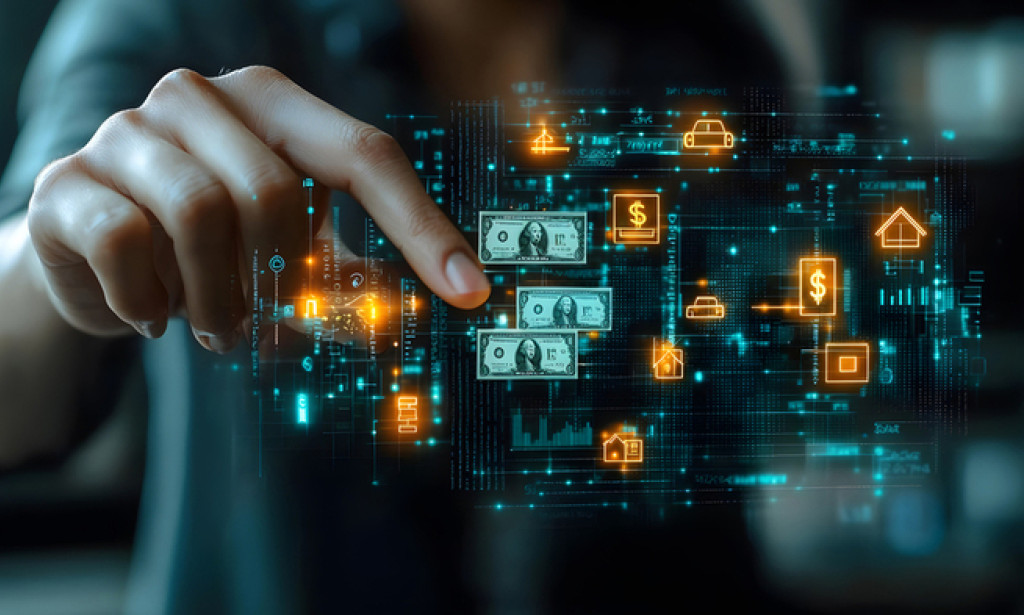
Businesses today are constantly looking for new ways to raise capital, improve liquidity, and make asset management more efficient. One of the most promising innovations helping organizations achieve these goals is the tokenization of real world assets. By converting ownership rights of physical or traditional financial assets into blockchain-based digital tokens, businesses can unlock value that was previously difficult to access.
From real estate and private equity to commodities and infrastructure projects, tokenization is creating new opportunities for companies to attract investors and streamline operations.
Why Traditional Asset Ownership Models Limit Growth
Many businesses own valuable assets but struggle to maximize their potential. Real estate properties, private investments, equipment, and infrastructure assets often require significant capital and can take months or years to sell.
Traditional financing methods also present challenges. Businesses may rely heavily on banks, institutional investors, or venture capital firms to secure funding. These channels can involve lengthy approval processes, high costs, and limited investor participation.
The tokenization of real world assets addresses these challenges by making ownership more accessible, liquid, and efficient.
Unlocking Liquidity from Illiquid Assets
One of the biggest advantages of asset tokenization is improved liquidity.
Traditionally, assets such as commercial buildings, private equity holdings, and infrastructure projects are difficult to trade. Through tokenization, these assets can be divided into smaller digital units that represent fractional ownership.
Instead of selling an entire asset, businesses can offer tokenized shares to investors. This creates a more liquid market where ownership interests can be transferred more easily, helping companies unlock capital tied up in long-term assets.
As a result, organizations can access funds faster without disposing of valuable business assets.
Raising Capital Through Fractional Ownership
The tokenization of real world assets enables businesses to raise capital from a broader range of investors.
Fractional ownership lowers investment barriers by allowing investors to purchase smaller portions of an asset rather than committing large amounts of capital. This opens opportunities for both retail and institutional participants.
For businesses, this means:
-
Access to larger investor pools
-
Reduced dependence on traditional financing
-
More flexible fundraising options
-
Faster capital formation
Whether funding a real estate development, renewable energy project, or private investment fund, tokenization provides an alternative pathway to secure growth capital.
Creating New Revenue Opportunities
Asset tokenization is not just a financing tool—it can also generate new revenue streams.
Businesses can create investment products backed by real-world assets and offer them to qualified investors. Tokenized assets may generate transaction fees, management fees, or platform-related revenues depending on the business model.
Companies with large asset portfolios can also monetize underutilized assets that previously generated limited returns. By making these assets available to a wider investment audience, businesses can increase their earning potential while maintaining ownership control.
Reducing Operational Costs
Managing traditional asset transactions often involves multiple intermediaries, including brokers, custodians, legal teams, and transfer agents.
Blockchain technology helps reduce these inefficiencies through smart contract automation. Automated processes can handle:
-
Ownership transfers
-
Investor onboarding
-
Dividend distributions
-
Revenue-sharing mechanisms
-
Compliance tracking
This reduces administrative workloads and lowers transaction costs while improving operational efficiency.
Businesses that adopt Real World asset tokenization strategies can often streamline complex processes that would otherwise require significant manual effort.
Expanding Access to Global Investors
Traditional investment opportunities are frequently limited by geography and market accessibility. Tokenized assets can be offered to eligible investors across multiple jurisdictions, subject to regulatory requirements.
This broader reach helps businesses:
-
Attract international capital
-
Diversify their investor base
-
Increase fundraising opportunities
-
Improve market visibility
Global accessibility is particularly valuable for companies seeking growth beyond local markets or looking to attract specialized investor groups.
Industries Benefiting Most from Tokenization
Several sectors are already experiencing the benefits of the tokenization of real world assets.
1. Real Estate
Property developers and asset managers can tokenize commercial and residential properties, enabling fractional ownership and improved liquidity.
2. Private Equity
Investment firms can offer tokenized shares of private assets, making participation more accessible while improving exit opportunities.
3. Infrastructure and Energy
Large-scale projects often require substantial funding. Tokenization allows businesses to attract capital from a wider range of investors.
4. Commodities
Gold, silver, agricultural products, and other commodities can be represented digitally, creating more efficient ownership and trading structures.
Choosing the Right Technology Partner
Successful tokenization requires more than blockchain technology alone. Businesses must address compliance, security, investor management, and asset governance.
Working with experienced RWA tokenization companies can simplify this process. These providers help organizations structure assets, develop smart contracts, manage compliance requirements, and create investor-friendly platforms.
Many businesses also choose a white label tokenization platform to accelerate deployment. White-label solutions offer pre-built infrastructure that reduces development time while providing essential features such as token issuance, investor onboarding, compliance management, and reporting.
Conclusion
The tokenization of real world assets is transforming how businesses raise capital, manage ownership, and unlock value from traditionally illiquid assets. By enabling fractional ownership, increasing liquidity, reducing operational costs, and expanding access to global investors, tokenization creates significant growth opportunities across industries.
As adoption continues to accelerate, businesses that invest in Real World asset tokenization solutions today can position themselves for a more efficient and accessible financial future. Partnering with experienced RWA tokenization companies and leveraging a reliable white label tokenization platform can help organizations successfully navigate this emerging market and maximize the benefits of asset tokenization.

You must be logged in to post a comment.