
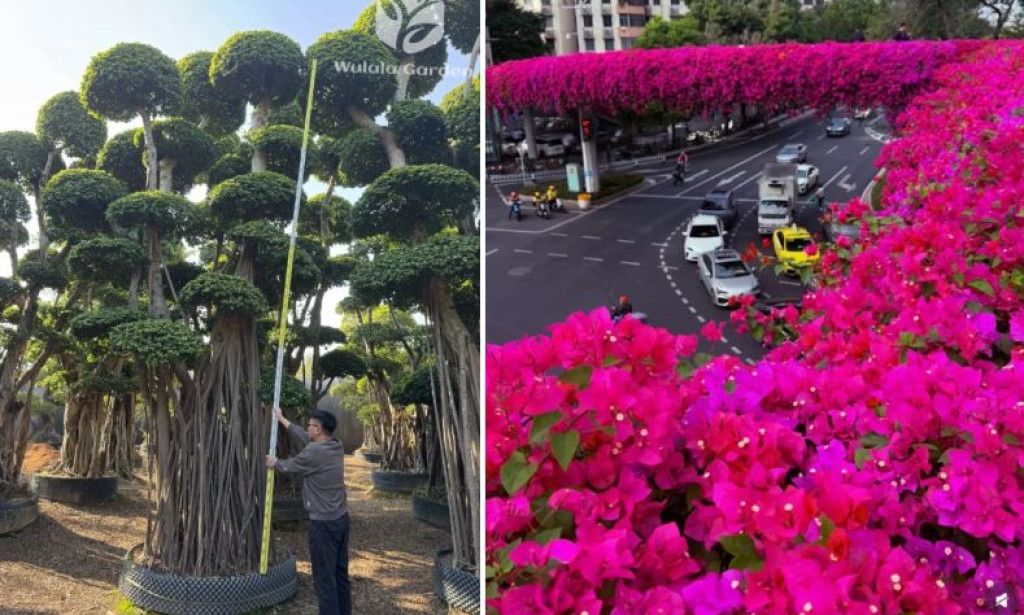
Among the many species offered by bonsai plant suppliers worldwide, Ficus bonsai occupy a uniquely popular position in both the collector and commercial markets. Their combination of attractive foliage, dramatic aerial root development, robust constitution, and tolerance of indoor conditions makes them accessible to a broad range of customers, from experienced bonsai practitioners to complete beginners making their first bonsai purchase. A specialist Ficus bonsai plant supplier cultivates trees across the full range of Ficus species and training styles, offering customers a diverse selection of sizes, ages, and artistic forms.
Popular Ficus Species in Bonsai Cultivation
The Ficus genus comprises hundreds of species, and several are particularly well-suited to bonsai cultivation. Ficus microcarpa, also known as Chinese banyan or Indian laurel fig, is one of the most widely cultivated bonsai species in the world, prized for its small leaves, interesting surface roots called nebari, and vigorous growth that responds well to bonsai training techniques. Ficus retusa is closely related and shares many cultivation characteristics. Ficus benghalensis, the Indian banyan, develops spectacular aerial prop roots that descend from horizontal branches and eventually reach the ground, creating the multi-trunk appearance characteristic of the banyan tree form beloved by bonsai enthusiasts.
Growing Conditions and Care Requirements for Ficus Bonsai
Understanding the care requirements of Ficus bonsai helps buyers select specimens appropriate for their environment and care capability. Ficus bonsai prefer bright indirect light and perform best near a window with good natural light exposure. They tolerate lower light levels better than most bonsai species but will decline if kept in very dark conditions. Watering should be consistent but not excessive — the growing medium should be allowed to partially dry between waterings. Ficus bonsai are sensitive to cold and should be protected from temperatures below around 10 degrees Celsius. Regular fertilization during the growing season supports healthy foliage and trunk development.
Aerial Root Development: A Signature Feature of Ficus Bonsai
One of the most distinctive and celebrated features of Ficus bonsai is their development of aerial roots, which descend from branches and, in warm humid conditions, eventually reach the growing medium and develop into additional supporting trunks. This feature is particularly dramatic in banyan-style bonsai, where multiple aerial roots create the impression of a vast, ancient tree in miniature. Bonsai plant suppliers who specialize in Ficus cultivate specimens with well-developed aerial roots that add character and visual interest to the tree. Humidity tray or regular misting helps encourage aerial root development in home and office environments.
Ficus Bonsai for Interior Design and Commercial Spaces
The adaptability of Ficus bonsai to indoor conditions makes them a popular choice for interior designers, hotel decorators, corporate office designers, and restaurant stylists seeking to add a natural, artisanal touch to commercial spaces. Large, well-developed Ficus bonsai specimens serve as focal points in reception areas, lobby displays, executive offices, and fine dining environments. Their long-term viability in indoor settings, combined with their dramatic visual impact, justifies the investment in quality specimens sourced from skilled bonsai plant supplier. For commercial applications, suppliers who can provide ongoing maintenance services or replacement programs help clients maintain consistently beautiful displays.
Selecting a Quality Ficus Bonsai Plant Supplier
When selecting a Ficus bonsai plant supplier, evaluate the quality and health of their trees, the range of species and training styles available, their packaging and shipping capabilities, and their ability to provide care guidance and after-sales support. Suppliers who specialize in Ficus cultivation rather than offering a general range of plants are more likely to have the deep species-specific expertise that results in better quality specimens and more knowledgeable advice. For wholesale buyers, consistent supply availability, reliable quality across multiple orders, and competitive pricing for volume purchases are additional evaluation criteria that determine long-term supplier suitability.

You must be logged in to post a comment.