
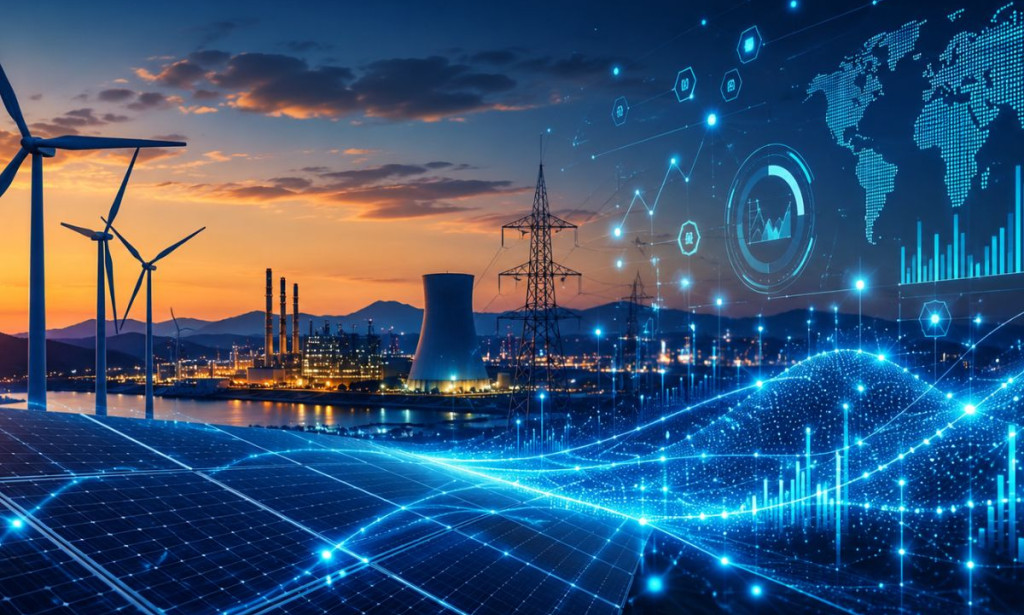
The global energy sector is undergoing a massive transformation. Rising energy demand, renewable energy integration, stricter environmental regulations, and aging infrastructure are pushing utility providers and energy companies to adopt smarter technologies.
Among these, big data analytics has emerged as one of the most impactful innovations, enabling organizations to make informed decisions using vast amounts of operational and customer data.
From power generation and grid management to predictive maintenance and energy trading, big data analytics is helping businesses optimize operations, reduce costs, and improve sustainability. This article explores the growing role of big data in the energy industry and explains why it has become a critical component of modern energy management.
Why Data Matters in the Modern Energy Industry
Today's energy ecosystem generates enormous volumes of data every second. Smart meters, IoT sensors, renewable energy systems, substations, weather forecasting tools, and connected devices continuously collect information about energy production and consumption.
Without analytics, this information has limited value. Big data analytics transforms raw data into actionable insights, allowing energy companies to predict trends, improve asset performance, and respond quickly to operational challenges.
Organizations can monitor equipment health, detect anomalies, forecast electricity demand, and automate decision-making with significantly greater accuracy than traditional methods.
What Is a Key Benefit of Using Big Data Analytics in the Energy Sector?
One of the key benefits of using big data analytics in the energy sector is improved operational efficiency through data-driven decision-making.
By analyzing real-time and historical data from power plants, transmission networks, smart grids, and customer usage patterns, energy companies can:
- Predict equipment failures before they occur
- Reduce operational downtime
- Optimize power generation and distribution
- Improve grid reliability
- Minimize energy waste
- Lower maintenance costs
Instead of relying on scheduled maintenance or manual inspections, companies can use predictive analytics to identify issues early and address them before they lead to costly outages. This proactive approach improves asset utilization while ensuring uninterrupted energy supply.
Predictive Maintenance Reduces Equipment Failures
Energy infrastructure consists of expensive and mission-critical assets such as turbines, transformers, generators, pipelines, and transmission lines.
Traditional maintenance strategies often involve fixed maintenance schedules regardless of equipment condition. This can result in unnecessary servicing or unexpected failures.
Big data analytics enables predictive maintenance by combining sensor data, machine learning models, and historical equipment records. Companies can identify early warning signs such as abnormal temperature, pressure, or vibration levels and schedule repairs before failures occur.
Benefits include:
- Longer equipment lifespan
- Lower maintenance expenses
- Reduced unplanned outages
- Improved worker safety
Smart Grids Become More Intelligent
The adoption of smart grids has significantly increased the amount of real-time energy data available.
Big data analytics helps grid operators:
- Balance electricity supply and demand
- Detect faults immediately
- Improve load forecasting
- Reduce transmission losses
- Restore service faster during outages
As renewable energy sources become more common, analytics also helps utilities manage fluctuations caused by changing weather conditions.
Better Renewable Energy Integration
Solar and wind energy generation depends heavily on environmental conditions.
Big data analytics combines weather forecasts, historical production data, and real-time sensor inputs to estimate renewable energy output more accurately.
This allows utilities to:
- Maintain grid stability
- Schedule backup power generation
- Improve renewable energy utilization
- Reduce dependence on fossil fuels
Accurate forecasting is essential for creating a more reliable and sustainable energy system.
Improving Energy Consumption Insights
Smart meters collect detailed electricity usage information from residential, commercial, and industrial consumers.
Energy providers use big data analytics to:
- Understand consumption behavior
- Identify peak demand periods
- Offer personalized energy-saving recommendations
- Design flexible pricing models
- Encourage efficient energy usage
Consumers also benefit by monitoring their own energy consumption and reducing unnecessary electricity costs.
Supporting Sustainable Energy Goals
Governments and businesses worldwide are working toward reducing carbon emissions and improving energy efficiency.
Big data analytics supports sustainability by helping organizations:
- Monitor carbon footprints
- Improve renewable energy adoption
- Reduce energy losses
- Optimize resource allocation
- Track environmental compliance
Data-driven insights make it easier to identify inefficiencies and implement greener operational practices.
Enhancing Energy Trading and Market Forecasting
Energy prices fluctuate based on supply, demand, weather conditions, fuel availability, and market regulations.
Big data analytics enables energy companies and traders to analyze market trends using multiple data sources simultaneously.
Advanced forecasting models help organizations:
- Predict price movements
- Optimize purchasing decisions
- Reduce financial risks
- Improve trading strategies
This leads to more informed business decisions in highly competitive energy markets.
Challenges of Implementing Big Data Analytics
Despite its advantages, implementing big data analytics comes with several challenges.
Common obstacles include:
- Integrating legacy infrastructure with modern platforms
- Managing massive volumes of data
- Ensuring cybersecurity and data privacy
- Maintaining high-quality, accurate datasets
- Hiring skilled analytics professionals
Successful implementation requires the right technology stack, governance policies, and experienced data teams.
The Future of Big Data in the Energy Sector
The role of big data analytics will continue to expand as artificial intelligence, machine learning, IoT, and edge computing become more deeply integrated into energy operations.
Future energy systems are expected to become increasingly autonomous, with AI-powered analytics enabling:
- Self-healing power grids
- Autonomous asset monitoring
- Real-time demand forecasting
- Intelligent energy storage optimization
- Faster outage response
As digital transformation accelerates, data-driven decision-making will remain at the center of innovation across the global energy sector.
Conclusion
Big data analytics has become a strategic asset for energy companies seeking to improve efficiency, reliability, and sustainability. By transforming large volumes of operational data into meaningful insights, organizations can optimize power generation, strengthen grid performance, reduce maintenance costs, and support renewable energy integration.
As the energy industry continues to modernize, companies that invest in advanced analytics will be better equipped to meet growing demand, enhance customer experiences, and build resilient, future-ready energy ecosystems.

You must be logged in to post a comment.