

The Power of Augmented Reality (AR) in Digital Marketing: Transforming E-commerce Shopping Experiences
Introduction
In the fast-paced world of e-commerce, businesses are continuously looking for innovative ways to enhance the online shopping experience. One of the most exciting advancements in digital marketing is Augmented Reality (AR). By merging the digital and physical worlds, AR allows customers to interact with products in a more immersive and realistic way than traditional methods. This technology is revolutionizing how consumers shop online, offering new ways to visualize products, making decisions easier, and ultimately driving higher conversion rates. In this article, we'll explore how AR is transforming e-commerce, its role in enhancing product visualization, and the future of this technology in digital marketing.
The Rise of AR in E-commerce
Augmented Reality is no longer a futuristic concept but a present-day reality in e-commerce. Over the past few years, brands have started to integrate AR into their online platforms, giving customers a way to virtually "try before they buy." Companies like IKEA, Sephora, and L'Oreal have already implemented AR into their apps and websites, allowing customers to see how furniture fits into their homes, virtually try on makeup, or visualize hair colors.
Examples of Successful AR Campaigns:
-
IKEA's AR App (IKEA Place):
Allows customers to see how various furniture items will look in their own homes by simply pointing their smartphone camera at the desired space. -
Sephora's Virtual Artist:
A virtual makeup try-on tool that helps customers find the perfect makeup shades before purchasing. -
L'Oreal's AR Beauty App:
Let users try on different makeup products and see their look in real time using facial recognition technology.
These examples demonstrate how AR is not just a gimmick, but an essential tool for improving the online shopping experience.
How AR Enhances Product Visualization
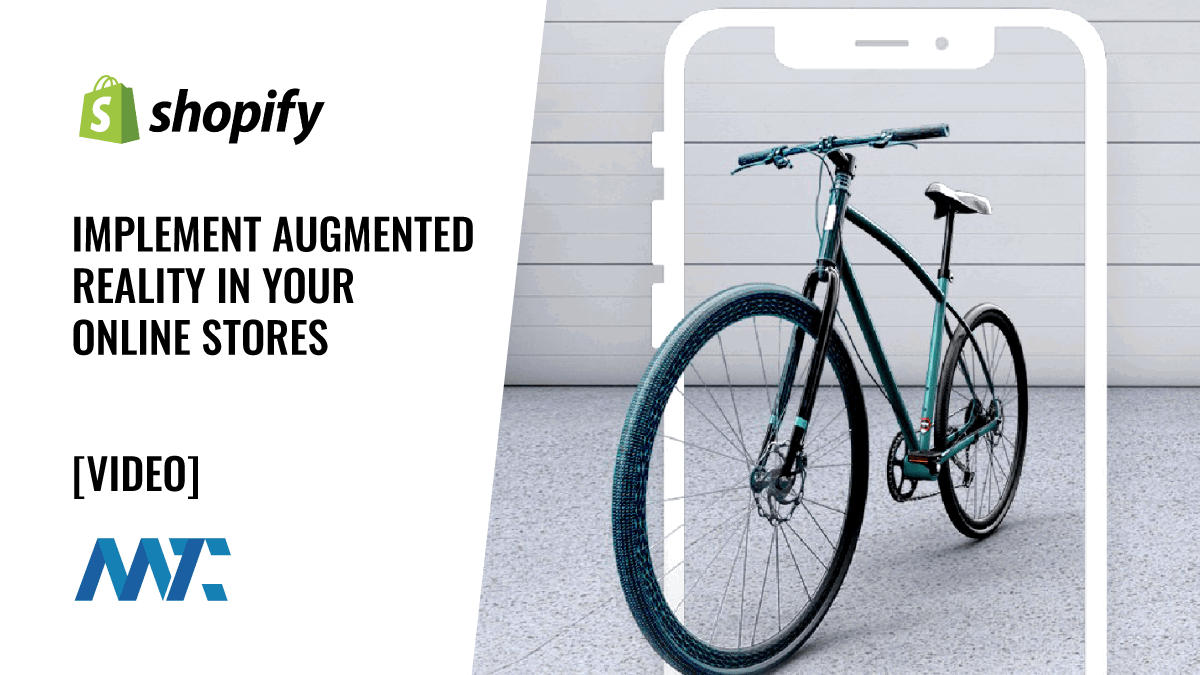
One of the primary benefits of AR in e-commerce is its ability to enhance product visualization. Traditional online shopping can be limiting because customers can only view static images or videos of a product. AR changes this by offering interactive, three-dimensional representations of products, allowing customers to explore every angle and detail.
For instance, AR can enable virtual try-ons, where consumers can "try" clothing, jewelry, or makeup in a realistic environment before making a purchase. In the furniture and home decor space, AR helps customers visualize how items will fit and look in their living spaces. This increased level of interaction can help bridge the gap between in-store and online shopping experiences, making the decision-making process smoother and more accurate.
-
Virtual Try-Ons:
- Clothing
- Jewelry
- Makeup
-
Home Decor:
- Furniture placement
- Color matching for walls and accessories
By providing more detailed and accurate representations of products, AR empowers customers to make more informed purchase decisions, reducing the likelihood of returns and increasing customer satisfaction.
Increasing Conversion Rates Through AR
The impact of AR on conversion rates cannot be overstated. Data shows that immersive AR experiences have a significant influence on customer purchasing behavior. According to a report by Retail Perceptions, 61% of shoppers prefer to shop at stores that offer AR experiences, and 40% of consumers say they would be willing to pay more for a product if they could interact with it through AR.
For example, online retailers have reported significant increases in conversion rates after implementing AR features. By allowing customers to visualize a product in their own environment, AR reduces uncertainty, which can often be a barrier to online shopping. Additionally, AR experiences often lead to higher engagement levels, with customers spending more time on sites or apps that offer these immersive tools, which can further boost conversion rates.
Benefits for Retailers:
- Higher Conversion Rates: Customers are more likely to make a purchase after interacting with a product through AR.
- Lower Return Rates: AR helps reduce uncertainty, leading to fewer returns and exchanges.
- Increased Engagement: Customers spend more time on websites or apps offering AR features, improving brand interaction.
Future Trends in AR for Digital Marketing
Looking ahead, the role of AR in digital marketing is set to expand significantly. As AR technology becomes more accessible and affordable, businesses across various industries will integrate AR into their marketing strategies. The future of AR in e-commerce will likely involve more personalized experiences powered by Artificial Intelligence (AI). For example, retailers might use AI to offer tailored AR product recommendations based on customer preferences and browsing behavior.
Emerging Trends to Watch:
- AR in Mobile Commerce: As smartphones continue to advance, AR will become more sophisticated, offering seamless and intuitive experiences for customers.
- Personalized AR Experiences: Integration with AI will allow for customized AR experiences that match individual customer preferences, providing more relevant recommendations and offers.
One exciting trend is the growth of AR in mobile commerce. As smartphones continue to advance, AR experiences will become even more sophisticated and seamless. Future e-commerce platforms may offer AR capabilities that allow users to interact with products in a more immersive and intuitive manner, further blurring the lines between physical and digital shopping.
Challenges and Opportunities
While AR has immense potential, it is not without its challenges. One of the main barriers to adoption is cost—developing AR experiences can require a significant investment in technology and resources. Additionally, there are technical limitations, such as the need for high-quality 3D modeling and fast processing speeds, which can limit the scalability of AR implementations.
However, the opportunities presented by AR far outweigh the challenges. As AR technology becomes more mainstream, the costs of implementation will decrease, making it more accessible for businesses of all sizes. Additionally, AR offers an opportunity for brands to differentiate themselves in an increasingly competitive digital marketplace by offering unique, engaging experiences that keep customers coming back.
-
Challenges:
- High development costs
- Technical limitations (e.g., 3D modeling, processing speed)
- Initial investment in AR infrastructure
-
Opportunities:
- Cost of AR development will decrease with growing adoption.
- Differentiation from competitors by offering immersive and unique experiences.
Conclusion
Augmented Reality is quickly becoming an essential tool in the digital marketer's arsenal. By providing consumers with immersive and interactive experiences, AR enhances product visualization, increases engagement, and drives higher conversion rates. As the technology continues to evolve, it will play an even greater role in shaping the future of e-commerce. Marketers looking to stay ahead of the curve should consider integrating AR into their strategies to offer customers a more engaging, personalized shopping experience and ultimately improve their bottom line.

You must be logged in to post a comment.