
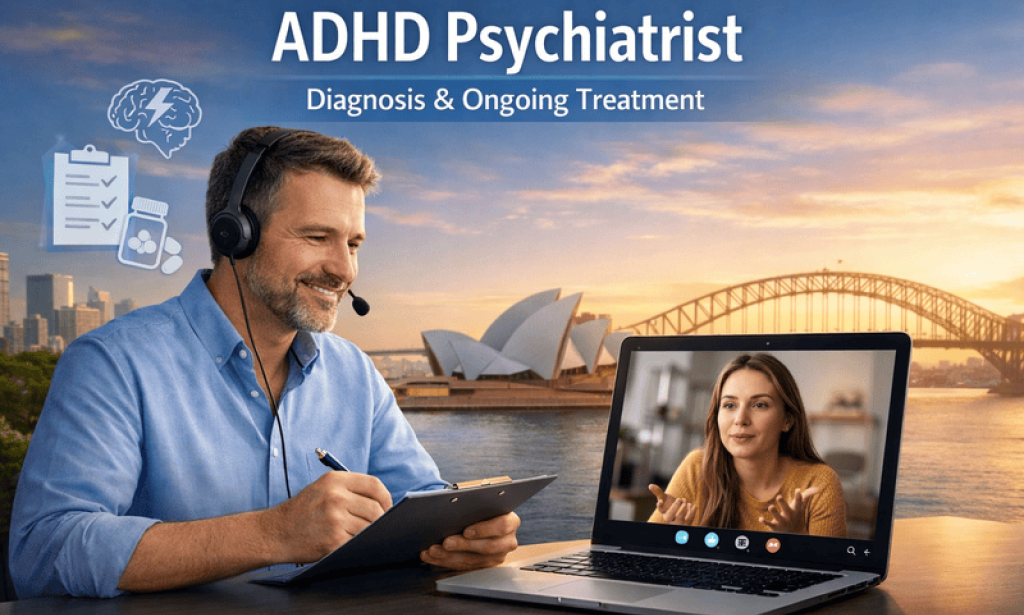
Attention-Deficit/Hyperactivity Disorder (ADHD) is more than just occasional distraction or restlessness; it's a complex neurodevelopmental condition that can affect every aspect of life, from work and study to relationships and mental wellbeing. If you’re struggling with focus, impulsivity, or hyperactivity, connecting with an online ADHD psychiatrist can be a practical and effective way to get the support you need especially in Australia, where telehealth services are making specialist care more accessible than ever.
In this guide, we’ll explore how an ADHD psychiatrist plays a crucial role in accurate diagnosis and long-term treatment, what you can expect from the process, and how ongoing care can help you live a more balanced and productive life.
Understanding ADHD: More Than Just Inattention
ADHD is commonly associated with difficulty concentrating, but it can present in various ways. Some people experience primarily inattentive symptoms, while others deal with hyperactivity and impulsivity or a combination of both.
Common Symptoms of ADHD
-
Difficulty staying focused on tasks
-
Frequent forgetfulness or disorganisation
-
Impulsive decision-making
-
Restlessness or inability to sit still
-
Trouble completing tasks or following instructions
In adults, ADHD can often go undiagnosed for years. Many people attribute their struggles to stress, personality traits, or lifestyle factors rather than an underlying condition. This is where an ADHD psychiatrist becomes essential.
What Does an ADHD Psychiatrist Do?
An ADHD psychiatrist is a medical specialist trained to assess, diagnose, and treat ADHD using evidence-based approaches. Unlike general practitioners or psychologists, psychiatrists can prescribe medication and manage complex mental health conditions.
Key Responsibilities
1. Comprehensive Assessment
The first step in working with an ADHD psychiatrist is a detailed evaluation. This includes:
-
Clinical interviews
-
Review of personal and medical history
-
Behavioural assessments
-
Input from family members (if appropriate)
The goal is to build a complete picture of your symptoms and rule out other conditions such as anxiety, depression, or learning disorders.
2. Accurate Diagnosis
ADHD shares symptoms with several other mental health conditions, making self-diagnosis unreliable. A psychiatrist uses established diagnostic criteria to determine whether ADHD is present and what type it is.
3. Personalised Treatment Plan
Once diagnosed, your psychiatrist develops a tailored treatment plan based on your needs, lifestyle, and goals.
The Role of an Online ADHD Psychiatrist in Australia
Access to mental health specialists can be challenging in many parts of Australia, especially in rural or remote areas. Telehealth has transformed how care is delivered, making it easier to connect with an online ADHD psychiatrist from the comfort of your home.
Benefits of Telehealth ADHD Care
-
Convenience: Attend appointments without travel
-
Accessibility: Reach specialists regardless of location
-
Privacy: Receive care in a comfortable, familiar setting
-
Continuity: Easier follow-ups and ongoing management
Services like HelloDoc offer Australians a streamlined way to book consultations and receive expert care without long waiting times.
The ADHD Diagnosis Process: What to Expect
Getting diagnosed with ADHD isn’t a quick checklist, it's a structured process designed to ensure accuracy.
Step-by-Step Overview
Initial Consultation
Your psychiatrist will discuss your symptoms, concerns, and goals. This is an opportunity to share how ADHD may be affecting your daily life.
Detailed Assessment
You may be asked to complete questionnaires or rating scales. These tools help measure attention, impulsivity, and behavioural patterns.
Medical and Psychological Review
The psychiatrist evaluates your overall mental health to rule out other conditions or identify co-existing disorders.
Diagnosis and Feedback
If ADHD is diagnosed, your psychiatrist will explain the findings and discuss treatment options in detail.
Treatment Options Provided by an ADHD Psychiatrist
ADHD treatment is not one-size-fits-all. A good psychiatrist will tailor the approach to suit your individual needs.
1. Medication Management
Medication is often a key component of ADHD treatment. Common options include:
-
Stimulants (e.g., methylphenidate, dexamphetamine)
-
Non-stimulant medications
Your psychiatrist will:
-
Determine the right medication
-
Adjust dosage as needed
-
Monitor side effects and effectiveness
2. Behavioural Strategies
Medication alone isn’t enough for many people. Behavioral techniques help improve daily functioning.
Examples include:
-
Time management skills
-
Task prioritisation
-
Organisational systems
-
Reducing distractions
3. Psychoeducation
Understanding ADHD is empowering. Psychiatrists provide education about:
-
How ADHD affects the brain
-
Triggers and challenges
-
Coping mechanisms
4. Support for Co-existing Conditions
Many individuals with ADHD also experience:
-
Anxiety
-
Depression
-
Sleep issues
An ADHD psychiatrist ensures all aspects of mental health are addressed.
Ongoing Treatment: Why It Matters
ADHD is a long-term condition, which means ongoing care is essential for managing symptoms effectively.
Regular Follow-Ups
Your psychiatrist will schedule periodic reviews to:
-
Track progress
-
Adjust medication
-
Address new challenges
Adapting to Life Changes
As your life evolves whether through career shifts, study demands, or personal changes, your treatment plan may need adjustments.
Building Long-Term Skills
Over time, you’ll develop strategies that help you:
-
Stay organised
-
Improve focus
-
Manage impulsivity
-
Enhance productivity
Signs You Should See an ADHD Psychiatrist
If you’re unsure whether to seek help, consider the following signs:
-
Persistent difficulty focusing or completing tasks
-
Chronic procrastination
-
Feeling overwhelmed by daily responsibilities
-
Struggling with time management
-
Relationship or work issues linked to attention problems
Early intervention can significantly improve outcomes.
ADHD in Adults vs Children
ADHD presents differently depending on age.
In Children
-
Hyperactivity is more visible
-
Behavioural issues at school
-
Difficulty following rules
In Adults
-
Internal restlessness
-
Difficulty managing responsibilities
-
Poor time management
-
Emotional regulation challenges
An ADHD psychiatrist is trained to recognise these differences and adapt treatment accordingly.
Telehealth vs In-Person Psychiatry: Which Is Better?
Both options have their benefits, but telehealth is becoming increasingly popular in Australia.
Why Many Choose Online ADHD Psychiatrists
-
Shorter waiting times
-
Flexible scheduling
-
Access to specialists not available locally
For many Australians, telehealth offers a practical solution without compromising quality of care.
How to Prepare for Your First Appointment
To get the most out of your consultation:
Before the Session
-
Write down your symptoms
-
Note any past diagnoses or treatments
-
Gather medical history
-
List questions you want to ask
During the Session
-
Be honest about your experiences
-
Share real-life examples
-
Discuss your goals for treatment
Preparation helps your psychiatrist provide a more accurate assessment.
Common Myths About ADHD Psychiatrists
Myth 1: ADHD Is Just a Childhood Condition
Reality: ADHD often continues into adulthood and can affect people at any age.
Myth 2: Medication Is the Only Solution
Reality: Effective treatment usually combines medication with behavioural strategies.
Myth 3: Online Care Isn’t Effective
Reality: Telehealth consultations are widely recognised as effective for ADHD diagnosis and management.
The Long-Term Benefits of Seeing an ADHD Psychiatrist
Working with a qualified ADHD psychiatrist can lead to meaningful improvements in your life.
Key Benefits
-
Better focus and productivity
-
Improved emotional regulation
-
Stronger relationships
-
Enhanced self-confidence
-
Reduced stress and overwhelm
With the right support, ADHD can be managed effectively.
Choosing the Right ADHD Psychiatrist in Australia
Not all psychiatrists are the same, so it’s important to find one who suits your needs.
What to Look For
-
Experience with ADHD diagnosis and treatment
-
Telehealth availability
-
Clear communication style
-
Personalised care approach
Platforms like HelloDoc make it easier to connect with experienced professionals who understand the Australian healthcare landscape.
Final Thoughts
Living with ADHD can be challenging, but you don’t have to navigate it alone. An ADHD psychiatrist plays a vital role in helping you understand your condition, receive an accurate diagnosis, and develop a treatment plan tailored to your life.
With the rise of telehealth services, accessing an online ADHD psychiatrist in Australia has never been more convenient. Whether you’re seeking clarity, support, or long-term management strategies, professional help can make a significant difference.
Taking the first step might feel daunting, but it’s also the most important one. With the right guidance and ongoing care, managing ADHD becomes not just possible but empowering.

You must be logged in to post a comment.