

introduction & Market prospects
| House building has been a need and beautifying the buildings has been a love for mankind since time immemorial. Doors are used for providing entrances from outside into the building and for inter-room connections for easy approach. Ventilators are provided for sun rays and light, into the dwelling houses, in sufficient quantity.
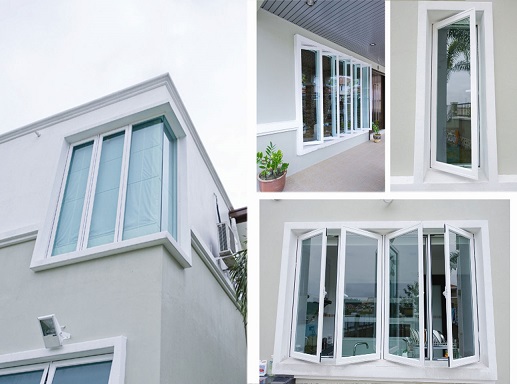
Windows play larger roles in the entire building construction for enhancing the utility of the house. In this way, we can set up this industry for aluminum door window manufacturing. All these conditions are essential for human comforts. Outsiders enter the house through the doors but the doors are opened after looking at the entrance through windows and after ascertaining that the outsider could be allowed to enter India is the fifth-largest producer of Aluminium in the world with a tremendous bauxite reserve of about 3 billion tons. While the major consumption of Aluminium in India is done by the electrical (31%) and Building & Construction sectors (13%), the future growth is envisaged to happen in the solar power and industrial sector. Aluminum is popular in Building and Construction due to its environment and user-friendly nature. Apart from this lightweight, strength, corrosion resistance, durability, ease of fabrication, attractive appearance, and easy maintenance make it a popular material for use in a modern building. Aluminum fabricated items like doors, windows, staircase handrails and supports, railings for verandas, corridors, etc. have become the generally accepted feature in most modern buildings. The use of Aluminium in business and office complexes, buildings, theatres as well as decorative purposes is very common. Similarly in residential buildings also Aluminium doors, windows, railings, grill-works, etc. are used extensively. Textile shops and other trading shops have built-in lighter materials too are going in for shelves made of Aluminium for stocking purposes. The advantages of Aluminium such as lightweight, strength, corrosion resistance, durability, ease in fabrication, attractive appearance, and easy maintenance make it a popular material for use in modern buildings. Aluminum required for use in buildings is available from large-scale manufacturers such as Jindal, Balco, Hindalco, etc. as extruded sections in various shapes and sizes for specific uses. These sections are also available through their local dealers. The usual length of these sections is 12 feet/4 meters. Fabricators anodize these to desired colors and fabricate the items as per the customers’ requirements. These items have a good appearance and finish and the maintenance expenses are almost nil while steel and wooden items require regular painting and polishing periodically. market prospects of aluminum door window manufacturing
The development and construction activities are interlinked. And there is a good scope for aluminum fabrication units for meeting the growing demand for new buildings for offices, businesses, and shopping complexes theaters, etc. Aluminum fabricated and anodized items like doors, windows, railings, staircases, shelves; ladders, etc. are essential items in modern constructions on considerations of durability and appearance. Nowadays wooden materials are replacing fast with Aluminium fabricated items. |

You must be logged in to post a comment.