
If you have spent any time sourcing botanical extracts from China, you know that not all "90%" labels carry the same weight. Some are inflated. Some rely on outdated testing methods. And some are simply honest, reliable specifications that serve their purpose without fanfare.
Ellagic acid 90% by HPLC from Galla Chinensis (Chinese gallnut) belongs squarely in the third category. It is a workhorse ingredient—well-studied, reasonably priced, and backed by a stable supply chain that has been serving global buyers for years.
What Is Ellagic Acid, and Why 90%?
Ellagic acid is a dimeric derivative of gallic acid, belonging to the polyphenolic class of compounds. Galla Chinensis—also known as Chinese gallnut or Wu Bei Zi in Chinese—is produced when aphids (Melaphis chinensis Bell) infest the leaves of sumac trees, triggering the formation of gall tissues rich in hydrolyzable tannins and ellagic acid precursors. The extraction process isolates these bioactive components, and HPLC (high-performance liquid chromatography) provides precise verification of ellagic acid content.
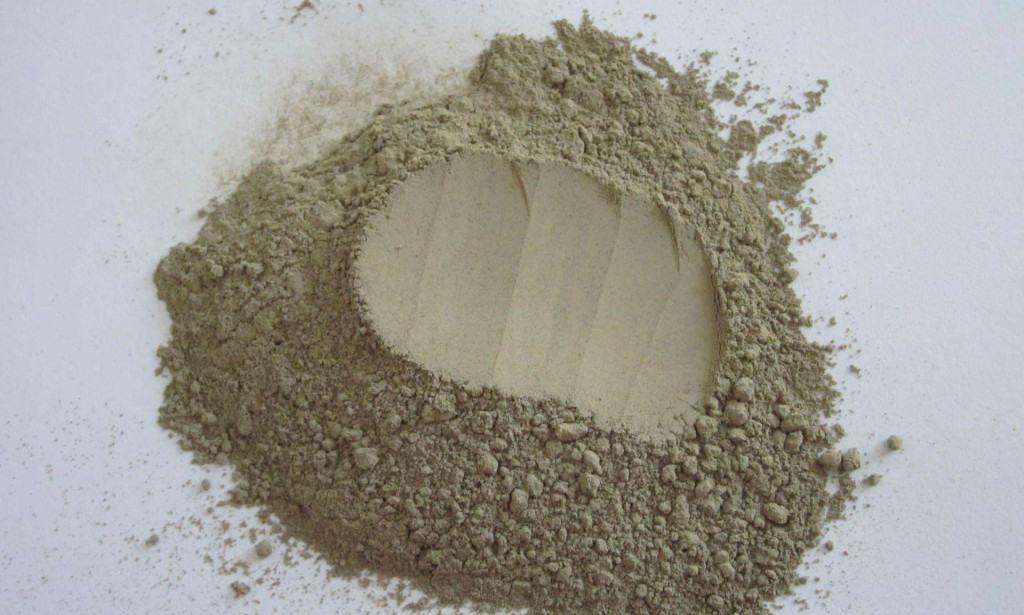
The 90% specification hits a practical middle ground. Lower concentrations may lack sufficient potency for finished product claims, while higher purities drive up costs without adding meaningful formulation benefits. At 90% HPLC, the extract appears as a light brown to grey powder with good batch-to-batch consistency.
The Research Behind the Reputation
Ellagic acid is one of the more thoroughly studied natural polyphenols. A 2024 study published in the Indian Journal of Clinical Biochemistry examined its effects on red blood cell membrane health during aging. The results showed that ellagic acid treatment significantly reduced oxidative damage markers and restored membrane-bound enzyme activity in human erythrocytes. This protective effect against oxidative stress is not a minor detail—it is the foundation for most of the ingredient's commercial applications.
A 2022 comprehensive review in Oxidative Medicine and Cellular Longevity compiled evidence for ellagic acid's antioxidant, anti-inflammatory, antimutagenic, and antiproliferative properties, along with documented cardioprotective, hepatoprotective, and neuroprotective effects. Another 2020 review in Phytotherapy Research emphasized that ellagic acid possesses antimutagenic, antiinflammatory, antifibrosis, anticancer, and antiaging properties, with promising immunomodulatory effects in both preclinical and human studies.
These are not speculative claims. The literature supports them across multiple model systems.
Why Galla Chinensis, Not Pomegranate?
Ellagic acid exists in various plant sources, including pomegranate peel, raspberries, and walnuts. But Galla Chinensis offers something distinct: unusually high natural concentrations of ellagic acid precursors. The gallnut is essentially a biochemical factory concentrated into a small tissue mass, making it a highly efficient raw material for industrial extraction. For B2B buyers, this translates to consistent supply, predictable yields, and fewer sourcing surprises throughout the year.
The China Supply Picture
China remains the dominant global producer of standardized ellagic acid extracts. The country's plant extract export market reached 2.98billionin2025,withexportvolumehitting138,000tons[reference:5].Whiletheindustryhasseensomepricecompression—averageunitpricesdeclinedfrom2.98billionin2025,withexportvolumehitting138,000tons[reference:5].Whiletheindustryhasseensomepricecompression—averageunitpricesdeclinedfrom32.7/kg in 2022 to $21.6/kg in 2025—the volume growth indicates sustained global demand. The top export markets remain the United States, Japan, India, Spain, and South Korea.
For Galla Chinensis extract specifically, major manufacturing clusters in Shaanxi Province, Hunan, and other central regions have built integrated operations covering raw material sourcing, extraction, testing, and export logistics. Suppliers with ISO, GMP, Kosher, and Halal certifications are widely available.
Practical Sourcing Advice
When evaluating suppliers for ellagic acid 90% HPLC, focus on documentation rather than flashy marketing. A trustworthy manufacturer will provide batch-specific Certificates of Analysis showing HPLC chromatograms, heavy metal limits (lead, arsenic, cadmium, mercury), pesticide residue screening, and microbial counts. Third-party lab validation from organizations like SGS or PONY adds credibility.
Price is useful information but not the whole story. Small-quantity prices for ellagic acid typically range from 30to30to40 per gram for analytical-grade material, while wholesale bulk pricing for 90% HPLC runs considerably lower. Be wary of quotes that fall dramatically below market averages—consistency matters more than discounts.
The Bottom Line
Ellagic acid from Galla Chinensis at 90% HPLC is a straightforward ingredient with solid research support and a reliable supply chain. It does not require exaggerated marketing claims because the science speaks for itself. For buyers looking to stock a botanical extract that performs as advertised, this specification is worth keeping on your radar.

You must be logged in to post a comment.