
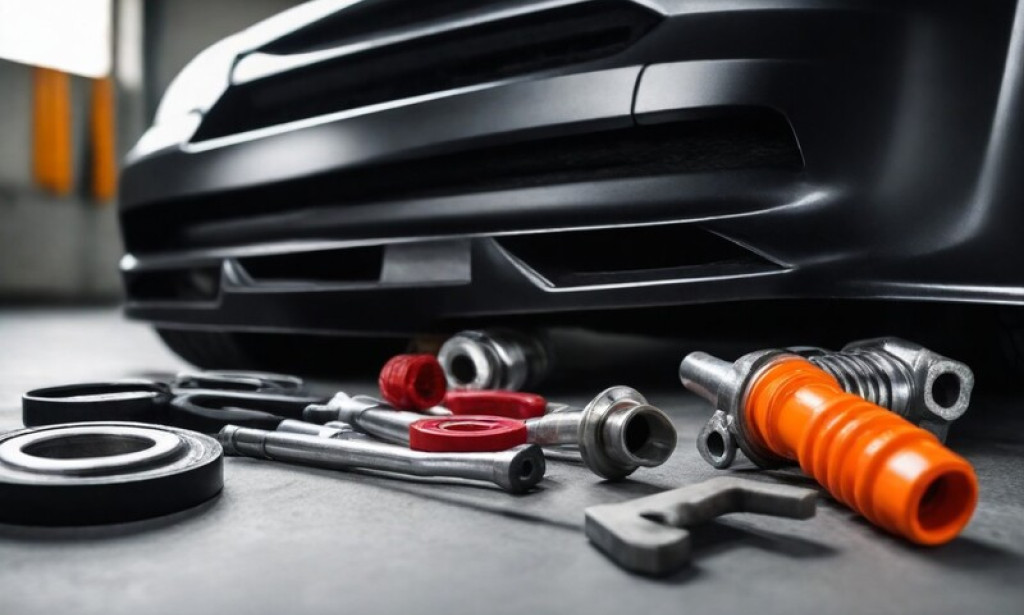
Brake pads don't usually get much attention until something starts to feel wrong. A squealing sound, a longer stopping distance, or a vibrating brake pedal often reminds drivers just how important they are. These small components play a huge role in your vehicle's braking system, and replacing them at the right time helps keep both you and your passengers safe.
The demand for replacement automotive components continues to increase as more vehicle owners focus on maintenance and road safety. According to GMI Research, the Ethiopia Automotive Aftermarket Market is estimated to grow at a robust CAGR during the forecast period till 2031. Rising vehicle ownership, regular servicing, and growing demand for quality replacement parts are expected to support this market growth.
What Are Brake Pads?
Brake pads are replaceable friction materials that press against the brake rotors whenever you press the brake pedal.
This contact creates the friction needed to slow down or stop your vehicle. Every time you brake, a small amount of the pad material wears away. That's completely normal. Over time, though, the pads become too thin to work effectively and must be replaced.
Without properly functioning brake pads, your vehicle's ability to stop safely is seriously compromised.
Why Is Brake Pad Replacement So Important?
Brake pads are designed to wear out gradually.
Replacing them before they become excessively worn helps maintain strong braking performance and reduces the risk of accidents.
Driving with worn brake pads can lead to several problems, including:
- Reduced braking performance
- Longer stopping distances
- Increased risk of brake failure
- Damage to brake rotors
- More expensive repair bills
Brake rotors and brake pads work together constantly. That's why technicians often inspect both components during every brake service, and in many cases, replacing the rotors along with the pads provides better braking performance and longer service life.
How Often Should Brake Pads Be Replaced?
There isn't one fixed replacement interval that applies to every vehicle.
Brake pad life depends on several factors, including:
- Your driving habits
- Traffic conditions
- Vehicle weight
- Brake pad material
- Road environment
As a general guideline, most manufacturers recommend replacing brake pads somewhere between 35,000 and 95,000 kilometers.
Drivers who frequently travel in heavy city traffic or drive aggressively may need replacement much sooner than those who mostly drive on highways.
Checking your owner's manual or consulting a qualified technician is always the safest approach.
Signs Your Brake Pads Need Replacing
Your vehicle usually gives clear warning signs before the brake pads wear out completely.
Unusual Squealing or Grinding Sounds
High-pitched squealing often indicates that the brake wear indicator has started contacting the rotor.
If the sound becomes a grinding noise, the brake pad material may already be worn away, allowing metal parts to rub against the rotor. This requires immediate attention.
Reduced Braking Performance
If your car takes longer to stop than it normally does, worn brake pads could be reducing braking efficiency.
Longer stopping distances are one of the clearest warning signs that the braking system needs inspection.
Vibrations While Braking
Feeling vibrations through the brake pedal or steering wheel usually indicates that something isn't working correctly.
Although worn brake pads can contribute to this problem, warped brake rotors are also a common cause. Both components should be inspected during a brake service.
Brake Warning Light
Many modern vehicles include brake system warning lights.
If the warning light appears on your dashboard, it's important to have the braking system inspected as soon as possible rather than continuing to drive without checking the cause.
Choosing the Right Brake Pads
Not all brake pads are the same.
The best option depends on your driving style, vehicle type, and performance expectations.
Organic Brake Pads
Organic brake pads are made from materials such as rubber, glass fibers, Kevlar, and other organic compounds.
They are generally:
- Affordable
- Quiet during operation
- Gentle on brake rotors
However, they usually wear out faster than other types, making them better suited for normal daily driving.
Semi-Metallic Brake Pads
Semi-metallic brake pads combine metal fibers with other friction materials.
They offer:
- Better durability
- Stronger braking performance
- Improved heat resistance
The trade-off is that they often generate more brake dust and may produce slightly more noise than organic pads.
Ceramic Brake Pads
Ceramic brake pads are another popular option, especially for modern passenger vehicles.
They typically provide:
- Quiet braking
- Low brake dust
- Long service life
- Consistent braking performance
Although ceramic pads usually cost more initially, many drivers appreciate their durability and smoother braking experience.
Final Thoughts
Brake pads are one of the most important safety components on any vehicle. Replacing them at the right time helps maintain reliable braking performance, protects expensive brake system components, and keeps you safer on the road. Paying attention to warning signs such as squealing noises, reduced stopping power, vibrations, or dashboard alerts can help you address problems early and avoid much larger repair costs in the future.

You must be logged in to post a comment.