

When it comes to enhancing a bike’s performance, safety, and comfort, many riders focus on the engine, suspension, or styling. However, one often-overlooked factor that directly influences the riding experience is tyre size. Choosing the right bike tyre sizes ensures better grip, handling, stability, and overall efficiency. Whether you’re a daily commuter navigating city traffic, a touring enthusiast covering long distances, or an adrenaline junkie chasing speed, understanding tyre sizes is key to getting the best out of your motorcycle.
In this comprehensive guide, we’ll decode tyre sizes, explore their impact on different riding styles, and highlight the importance of selecting the right tyres—including specialized options like racing bike tyres for speed enthusiasts.
Why Bike Tyre Sizes Are So Important
Tyres form the only contact point between a bike and the road. Every acceleration, brake, or cornering maneuver depends on the tyres. The right size:
-
Ensures stability – Wider tyres offer more grip, while narrower ones improve agility.
-
Influences comfort – Larger sidewalls absorb bumps better, providing smoother rides.
-
Affects efficiency – Narrow tyres reduce rolling resistance, improving mileage.
-
Determines safety– Correct sizing prevents skidding, wobbling, and premature wear.
This makes understanding and choosing the correct bike tyre sizes a crucial responsibility for every rider.
How to Read Bike Tyre Sizes
At first glance, tyre markings can look confusing, but they follow a simple format. Take, for example: 120/70 R17. Here’s what it means:
-
120 – Tyre width in millimeters. Wider tyres generally offer more grip.
-
70 – Aspect ratio (the height of the sidewall as a percentage of the width). A lower ratio usually means sportier handling.
-
R – Radial construction, designed for stability and heat resistance at higher speeds.
-
17 – Rim diameter in inches.
By learning how to read these codes, riders can better understand which bike tyre sizes suit their needs.
Common Bike Tyre Sizes in India
India’s biking landscape is diverse, and so are its tyre requirements. Let’s look at common sizes:
-
Commuter Bikes: Typically use narrower tyres such as 80/100-18 or 90/90-17, balancing affordability, efficiency, and everyday reliability.
-
Touring and Cruiser Bikes: Often fitted with 120/80-18 or 130/90-15 sizes, ensuring stability and comfort on long rides.
-
Sports and Racing Bikes: Equipped with wider tyres such as 120/70-17 in the front and 180/55-17 at the rear. These sizes are essential for high speeds and sharper cornering.
-
Scooters: Usually feature compact sizes like 90/100-10 or 90/90-12 for better maneuverability in city traffic.
The correct tyre size depends not only on the type of bike but also on how and where it’s ridden.
Bike Tyre Sizes and Riding Styles
Different riders have different priorities, and tyre sizes must reflect that.
1. Daily Commuters
For riders who primarily use bikes to get through city traffic, narrow tyres are ideal. They reduce rolling resistance, improving fuel efficiency, while providing adequate stability for moderate speeds.
2. Touring Enthusiasts
For long highway journeys, slightly wider tyres with taller sidewalls are recommended. They absorb shocks better and provide enhanced stability, ensuring comfort during extended rides.
3. Adventure and Off-Road Riders
Bikes designed for trails and rugged terrains benefit from larger, knobby tyres. These offer more traction on dirt, gravel, and uneven paths.
4. Performance Seekers
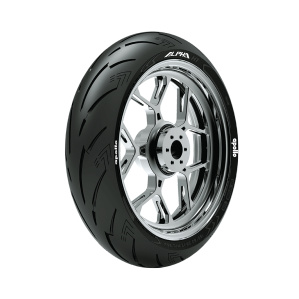
Here’s where racing bike tyres come into play. These tyres are engineered for maximum grip, precision, and speed. Their wider profiles and softer rubber compounds make them ideal for sport riding and track use.
The Role of Racing Bike Tyres
For riders who crave speed and sharp handling, racing bike tyres are the ultimate upgrade. Unlike standard tyres, they are designed specifically for high performance.
Key Features:
-
Softer rubber compounds: Enhance grip but may wear faster.
-
Low aspect ratios: Improve cornering and handling precision.
-
Special tread designs: Provide maximum road contact and minimize rolling resistance.
-
Heat resistance: Designed to maintain performance under high stress and temperature.
While racing bike tyres excel on tracks and highways, riders should consider their shorter lifespan and higher cost before using them for daily commuting.
Choosing the Right Bike Tyre Sizes
Selecting tyres involves more than just replacing what’s already on your bike. Here are key tips:
-
Follow Manufacturer Recommendations
Always stick to the sizes recommended in your bike’s manual. Manufacturers design bikes around specific sizes to optimize performance and safety.
-
Consider Your Usage
-
Commuters should prioritize fuel efficiency.
-
Long-distance riders should choose comfort-oriented tyres.
-
Speed enthusiasts should explore racing bike tyres.
-
Don’t Compromise Safety for Looks
While wider tyres may look stylish, they may impact fuel efficiency and handling if not compatible with your bike.
-
Balance Cost and Performance
Premium tyres may cost more but often last longer and offer better reliability, making them a smarter long-term choice.
Myths About Tyre Sizes
Several misconceptions about bike tyre sizes can mislead riders:
-
“Wider tyres always mean better grip.” Grip also depends on rubber quality and tread pattern.
-
“Upsizing improves performance.” Using non-recommended sizes can cause handling issues and reduce safety.
-
“Racing tyres are best for daily use.” While great for performance, they wear quickly and are not ideal for everyday riding.
Clearing up these myths helps riders make smarter, safer choices.
Maintenance Tips to Extend Tyre Life
Even the best tyres won’t perform well if neglected. Here are some ways to maximize tyre lifespan:
-
Maintain proper air pressure: Check regularly to avoid under or over-inflation.
-
Inspect tread wear: Replace tyres once the tread depth falls below safe levels.
-
Avoid overloading: Excessive weight puts unnecessary strain on tyres.
-
Ride responsibly: Sudden braking, aggressive cornering, and overspeeding reduce tyre life.
With proper care, tyres of any size or type will deliver consistent performance for longer.
The Future of Bike Tyre Technology
Tyre manufacturers are continually innovating to produce more durable, eco-friendly, and performance-oriented products. From tubeless technology to smart tyres with embedded sensors, the future of bike tyre sizes is about enhancing safety, efficiency, and rider experience. Racing bike tyres are also evolving, with advanced compounds offering both grip and longer lifespans.
Conclusion
Understanding bike tyre sizes is vital for every rider, whether you’re commuting through busy city streets, exploring highways on long tours, or hitting the track with speed in mind. Choosing the right size ensures stability, comfort, and safety, while also maximizing efficiency. For those passionate about performance, racing bike tyres offer unmatched grip and precision, but their use must align with your riding style.
When it comes to reliability, durability, and high-quality performance, Apollo Tyres has earned the trust of riders across India. With a wide range of options that cater to commuters, tourers, and racing enthusiasts alike, Apollo Tyres ensures that every rider finds the perfect match for their biking needs.

You must be logged in to post a comment.