
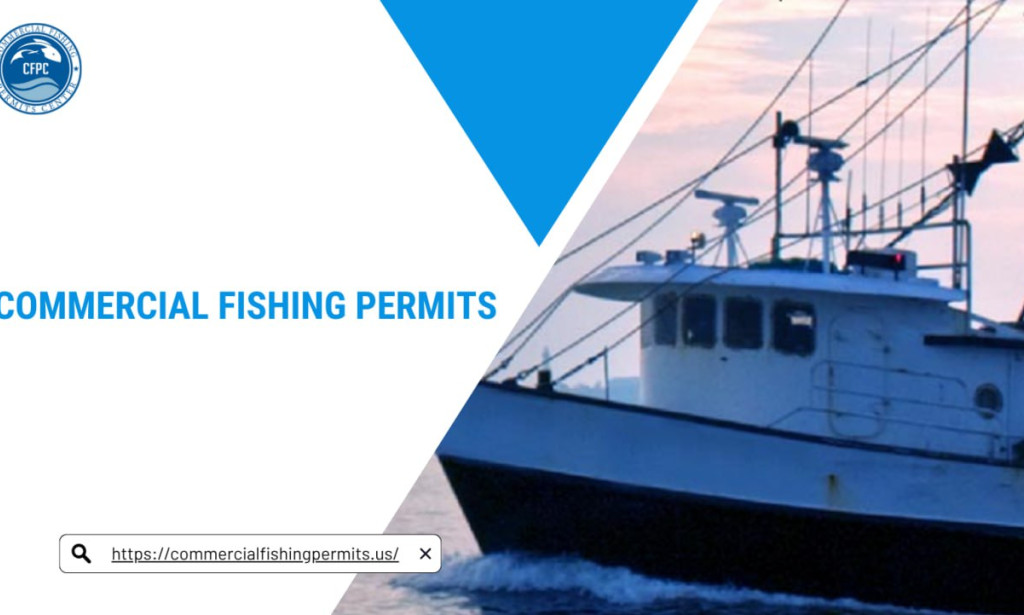
California’s commercial fisheries support coastal communities, seafood businesses, and thousands of working professionals. However, entering this industry requires more than owning a boat and suitable fishing equipment. This California Commercial Fishing License Guide explains the essential documents and responsibilities involved. Careful preparation can prevent delays, penalties, and expensive interruptions during an active season.
Licensing requirements depend on the applicant’s role, intended catch, equipment, and fishing location. For example, vessel owners may need documents that individual crew members do not require. Moreover, certain fisheries operate under limited-entry systems. Therefore, applicants should identify their planned activities before purchasing permits or vessels.
California manages commercial access through several connected licenses and authorizations. Although these documents serve different purposes, they work together during lawful operations. Applicants must understand each requirement rather than relying on one general license.
Understanding Personal and Vessel Licensing
Most individuals who harvest fish for commercial purposes need a valid commercial fishing license. This requirement generally applies when the catch will be sold, exchanged, or used commercially. Furthermore, fishermen should carry their license while working. Enforcement officers may request it during inspections at sea or dockside.
Commercial vessels may also require separate boat registration. Vessel information should match the details recorded on permit and ownership documents. Consequently, ownership changes must be reported through the proper process. Outdated information may affect renewals, transfers, and regulatory reviews.
Crew members should confirm whether their work requires individual authorization. Meanwhile, vessel operators remain responsible for checking onboard compliance. Although requirements differ between positions, every participant should maintain accessible documentation. Organized records can reduce confusion during a busy fishing trip.
License fees and validity periods may change between categories. Therefore, applicants should review current forms before submitting payment. A previous year’s application may contain outdated details or instructions.
Specialized Permits and Limited-Entry Fisheries
A basic license does not provide unrestricted access to every California fishery. Additional permits may apply to salmon, market squid, lobster, crab, nearshore fish, and other species. This California Commercial Fishing License Guide also emphasizes gear classifications. Traps, nets, diving equipment, and hook-and-line methods may be regulated separately.
Some fisheries use limited-entry permits to control participation and protect marine resources. New permits may not be issued whenever demand increases. Instead, qualified buyers may need to obtain an existing permit through an approved transfer. However, eligibility rules should be reviewed before any purchase agreement is completed.
Permit transfers often require signatures, ownership details, vessel information, and supporting records. Furthermore, deadlines can affect whether a transfer is accepted. Buyers should never assume that payment alone guarantees approval. The responsible agency must review and authorize the transaction.
Seasonal conditions also influence how permits can be used. A valid document does not override closures, quotas, or emergency restrictions. Consequently, fishermen must check current notices throughout the season.
Reporting Duties and Renewal Preparation
Commercial operators must document catches and seafood transactions accurately. Landing records may include species, weight, value, fishing area, and buyer information. Moreover, fish businesses and receivers can face separate reporting duties. These records help managers evaluate harvest levels and maintain accountable fisheries.
Direct seafood sales may require additional business authorization. Therefore, operators should decide how their catch will enter the market. Selling to licensed receivers can involve different procedures from selling directly to consumers. Each transaction must be recorded through the correct reporting process.
Renewal dates should be monitored well before documents expire. Some permits may follow unique renewal schedules or late-payment conditions. Additionally, missing a deadline can reduce fishing opportunities. A compliance calendar can help businesses manage several licenses simultaneously.
Applicants should keep copies of forms, payment records, permits, and official correspondence. Clear files are valuable during audits, transfers, and renewal disputes. Furthermore, updated contact information ensures that important notices are received promptly.
Ultimately, this California Commercial Fishing License Guide provides a starting point for lawful industry participation. Successful operations require correct licenses, specialized permits, vessel documents, and accurate reports. Although the system has several layers, careful planning makes it manageable. Responsible compliance protects both fishing businesses and California’s valuable marine resources.

You must be logged in to post a comment.