
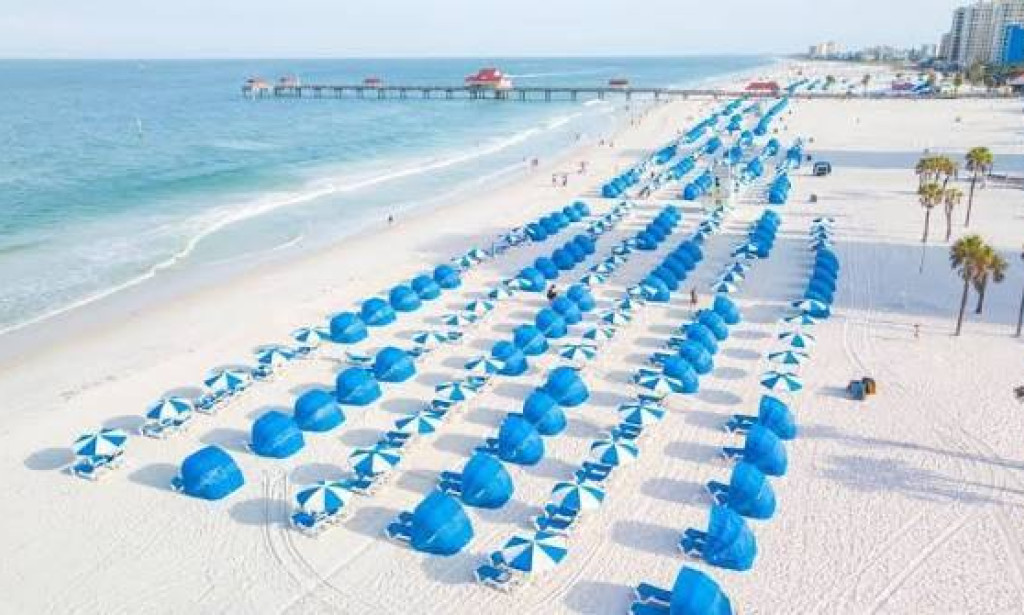
Florida doesn't have one "best time to visit" — it has several, depending on whether you're chasing perfect weather, low prices, or thin crowds. The state's subtropical climate delivers warmth nearly year-round, but hurricane season, summer humidity, and snowbird season create very different experiences from month to month. Here's how weather, crowds, and cost break down across the calendar.
Winter (December–February): Peak Season, Peak Prices
Winter is when Florida earns its "warm winter escape" reputation, especially in South Florida and the Keys, where daytime highs often stay in the upper 70s while much of the rest of the country freezes. It's the driest stretch of the year in most of the state, which makes it a strong choice for outdoor plans. The catch: this is also peak "snowbird" season, when visitors from colder climates flood in for extended stays, pushing hotel rates up 50–100% compared to the off-season and making popular attractions their busiest, aside from the week around Christmas and New Year's.
North Florida is a different story in winter — cities like Jacksonville and Pensacola can get genuinely cool, occasionally even seeing frost, so pack accordingly if you're headed north of Orlando.
Spring (March–May): The Sweet Spot, With One Big Caveat
March through May is widely considered one of the best windows for weather — warm days, low humidity, and minimal storm risk. Crowds and prices are also relatively manageable, with one major exception: spring break. From roughly mid-March through early April, crowds and costs spike sharply as students and families descend on the beaches. If you can travel in late April or early May instead, you get most of spring's weather benefits with far fewer crowds and softer prices.
Summer (June–September): Cheap, Hot, and Stormy
Summer brings Florida's lowest average airfare and hotel rates, but also its most demanding weather. Expect daily highs near 90°F with high humidity, plus near-daily afternoon thunderstorms. This period also overlaps entirely with hurricane season (June 1–November 30), which peaks in intensity from mid-August through October. Traveling in summer means embracing indoor breaks during the hottest and stormiest parts of the day, and it's smart to buy travel insurance that covers weather-related disruptions.
If value is your top priority, September stands out. It's widely regarded as the cheapest month to fly to Florida — flights and hotels both drop noticeably as summer crowds head home and the winter rush hasn't started. The trade-off is that September also falls at the peak of hurricane season, so flexibility matters more than in any other month.
Fall (October–November): The Underrated Window
October and November are quietly some of the best months to visit. Temperatures ease off summer's peak, humidity drops, and rainfall decreases while retaining decent crowd levels well below the winter rush. Late-season hurricane risk lingers through November, but by late October storm activity typically tapers off. This stretch also lines up with Halloween events at major Central Florida attractions, which adds extra appeal for families.
Whatever month you land on, it's worth knowing how to check in online for your flight 24 hours ahead of departure — a small step that saves time at the airport regardless of season. And if your travels this year also include a trip to Disneyland in California, the same seasonal-timing logic applies there — start with the closest airport to Disneyland before booking.
Choosing an Airport Based on When You Fly
Your travel dates and your airport choice work together more than most people realize. Before locking in your trip, it's worth checking the cheapest city to fly into in Florida for your travel window — fares to the same destination can vary significantly by both season and arrival airport.
As a rule of thumb, Tampa, Orlando, Miami, and Fort Lauderdale are consistently ranked among the cheapest airport in Florida options for domestic travelers, largely thanks to strong low-cost carrier competition. If South Florida is your target, cheap flights to Fort Lauderdale are frequently the best deal in the region, and the airport is a short drive from Miami if that's your real destination. Travelers looking for a best budget airport Florida pick outside the big four might also check smaller regional airports like Sarasota-Bradenton or Fort Myers, which tend to see less demand and correspondingly lower fares.
Once your flight is booked, it's worth knowing how to check in online 24 hours ahead of departure — a small step that saves time at the airport regardless of which season you're traveling in.
Quick Reference by Priority
- Best weather: March–April, or November
- Lowest crowds: Mid-January through February, or September
- Lowest prices: September, with late August and early November close behind
- Lowest hurricane risk: December through April
- Worst combination of heat, crowds, and cost: July and August
Bottom Line
There's no single perfect month for every traveler, but if you're weighing weather, crowds, and cost together, late April, September, and November consistently come out on top. Pick the priority that matters most to your trip, then build your dates — and your airport choice — around it.

You must be logged in to post a comment.