


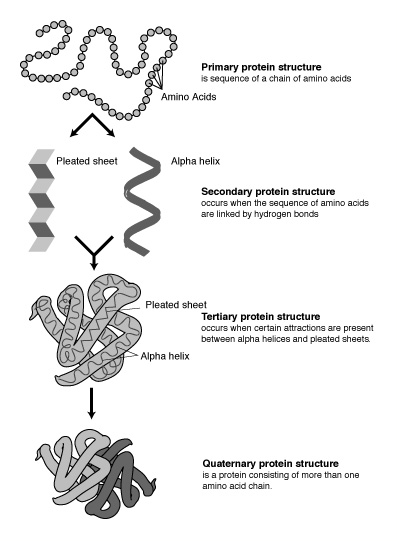
Some amino acids are conditionally essential, which means that our bodies can’t always make as much as we need (for example, when we’re under stress).
Next, kinda obviously, we’ve got nonessential amino acids – those that the body can usually make for itself.
| Essential amino acids | Conditionally essential amino acids | Nonessential amino acids |
|---|
Why is it important to get enough protein? During digestion, the body breaks down the protein we eat into individual amino acids, which contribute to the plasma pool of amino acids. This pool is a storage reserve of amino acids that circulate in the blood. The amino acid pool in the bloodstream readily trades with the amino acids and proteins in our cells, provides a supply of amino acids as needed, and is continuously replenished. (Think of it like a Vegas buffet of protein for the cells.) Since our bodies need proteins and amino acids to produce important molecules in our body – like enzymes, hormones, neurotransmitters, and antibodies – without an adequate protein intake, our bodies can’t function well at all.
Protein helps replace worn out cells, transports various substances throughout the body, and aids in growth and repair.
Consuming protein can also increase levels of the hormone glucagon, and glucagon can help to control body fat.1 Glucagon is released when blood sugar levels go down. This causes the liver to break down stored glycogen into glucose for the body.
It can also help to liberate free fatty acids from adipose tissue – another way to get fuel for cells and make that body fat do something useful with itself instead of hanging lazily around your midsection!
How much protein do you need? How much protein you need depends on a few factors, but one of the most important is your activity level.
The basic recommendation for protein intake is 0.8 grams per kilogram (or around 0.36 g per pound) of body mass in untrained, generally healthy adults. For instance, a 150 lb (68 kg) person would consume around 54 grams a day.
However, this amount is only to prevent protein deficiency. It’s not necessarily optimal, particularly for people such as athletes who train regularly and hard.
For people doing high intensity training, protein needs might go up to about 1.4-2.0 g/kg (or around 0.64-0.9 g/lb) of body mass.2 Our hypothetical 150 lb (68 kg) person would thus need about 95-135 g of protein per day.
These suggested protein intakes are what’s necessary for basic protein synthesis (in other words, the creation of new proteins from individual building blocks). The most we need to consume throughout the day for protein synthesis probably isn’t more than 1.4 – 2.0 g/kg.
But wait – there’s more!
Beyond the basics of preventing deficiency and ensuring a baseline of protein synthesis, we may need even more protein in our diets for optimal functioning, including good immune function, metabolism, satiety, weight management and performance.3 In other words, we need a small amount of protein to survive, but we need a lot more to thrive.
We can only store so much protein at one time. As the graph below shows, the body’s protein stores fluctuate over the course of a day. Notice how the upper limit never increases; the amount of protein in the body just cycles up and down as we eat or fast. 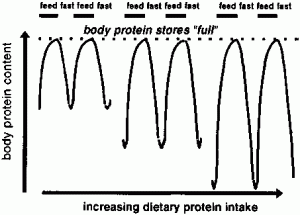
C
When you consume protein is just as important as how much. After resistance exercise (RE) such as weight training, the body synthesizes proteins for up to 48 hours after training.4
Interestingly, during and immediately after RE, protein breakdown is increased as well. In fact, for a brief period, the rate of breakdown exceeds the rate of building.
The body actually drops into a short-term wasting or catabolic state. However, taking in enough protein during the pre- and post-exercise period can offset catabolism. (Check out the Precision Nutrition guide for more on nutrition timing.)
The graph below shows that as the blood concentration of essential amino acids (EAA) increases, so too does protein synthesis. 
Which protein is best? IT’s your choice – both protein from plant sources and animal sources seem to work equally well in increasing muscle protein synthesis as a result of exercise.5 The amino acid leucine seems to act as a major stimulus for protein synthesis; good sources of leucine include spirulina, soy protein, egg white, milk, fish, poultry, and meat.

You must be logged in to post a comment.