

ALL ABOUT BIOTECHNOLOGY
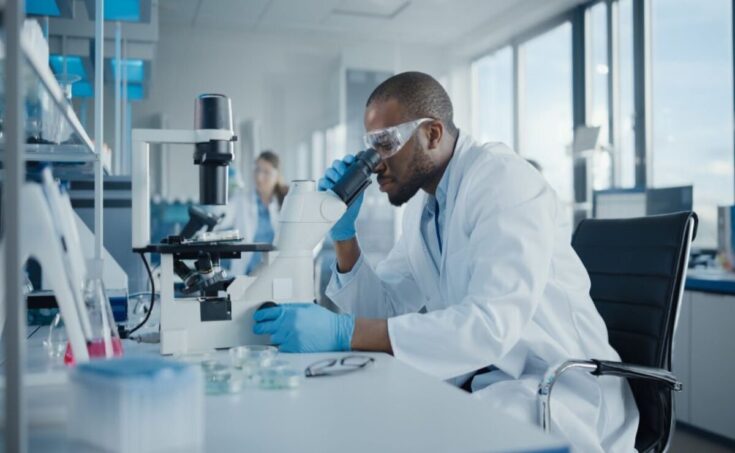
The use of living cells to produce desired products is referred to as Bio-processing technology. This method has been used for thousands of years without realizing the scientific implications, such as in beer brewing, winemaking, and even the production of bread and pickles! Microorganisms were discovered in the mid-1800s, and it was soon discovered that their biochemical machinery was the source of these useful products. Extensive research and subsequent experiments have resulted in the production of amino acids, birth control pills, pesticides, antibiotics, and vitamins, to name a few.
To create antibodies, monoclonal antibody technology employs immune system cells. Monoclonal antibodies are extremely useful for locating pollutants in the environment, detecting microorganisms that may be harmful in food, distinguishing between normal cells and cancer cells, and diagnosing infectious diseases in humans, animals, or plants in a more precise manner.
Cell culture is the process of growing cells outside a living organism. This research is divided into three sections: plant cell culture, insect cell culture, and mammalian cell culture. In its most basic form, recombinant DNA technology entails recombining two pieces of DNA from different species. This is used to create new medicines and vaccines, as well as to slow down the process of food spoilage, control viral diseases, and reduce inflammation.
Cloning became well-known following the cloning of Dolly the sheep many years ago. Cloning technology enables the creation of genetically identical molecules, plants, cells, and animals. Protein engineering is a DNA recombinant technique for improving existing proteins and creating new proteins that do not exist in nature. These proteins could then be used in food processing, pharmaceutical development, and industrial manufacturing.
Biosensors are a combination of biology and microelectronic advances. Biosensors are detecting devices that rely on the specificity of cells and molecules to identify and measure substances at extremely low concentrations, which is why they are widely used in nutritional analysis. Freshness of food, detection of explosives, toxins, and bio-warfare agents, location and measurement of pollutants, and bedside measurements of vital blood components for emergency room physicians.
Biotechnology is not a new scientific advancement. It has been used for many years, but it was not commonly referred to as biotechnology. In its most basic form, biotechnology refers to the use of living organisms or their products to improve or change human health or the environment, or to carry out a process. Biotechnology is the application of biology and other sciences to the development of new, innovative products in the agricultural, industrial, and environmental sectors. Medicines, vaccines, plant growth hormones, and food additives are among the products.

Nanobiotechnology is the study, manipulation, and production of ultra-small structures and machines that can be made up of only one molecule. This field of study allows us to improve the specificity and timing of drug delivery, accelerate and power disease diagnosis, and promote the development of green manufacturing practices.
Enzyme is the Nanotechnology bioengineering aims to convert cellulose from wood chips, corn stalks, unfertilized perennial grasses, and other biomass into ethanol for fuel. Cellulose nanomaterials have shown promise in a variety of industries, including electronics, construction, packaging, food, energy, health care, automotive, and defense. Cellulose nanomaterials are expected to be less expensive than many other nanomaterials and to have an impressive strength-to-weight ratio, among other benefits.
High-power rechargeable battery systems, thermoelectric materials for temperature control, tires with lower rolling resistance, high-efficiency/low-cost sensors and electronics, thin-film smart solar panels, and fuel additives for cleaner exhaust and longer range are all examples of the Nanotechnology Engineered materials in automotive products.
The study of gene structure and function using microarrays allows us to analyze tens of thousands of samples at the same time. This field enables us to track gene activity, identify genes important for crop productivity, and detect mutations in disease-related genes.

You must be logged in to post a comment.